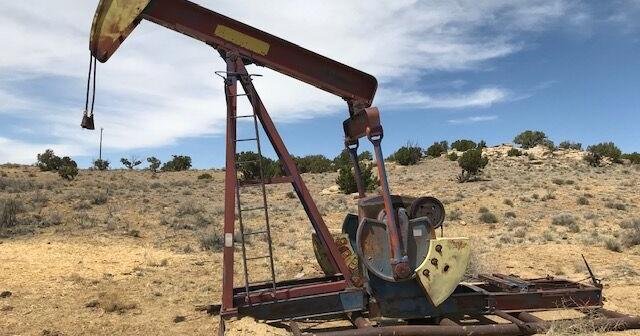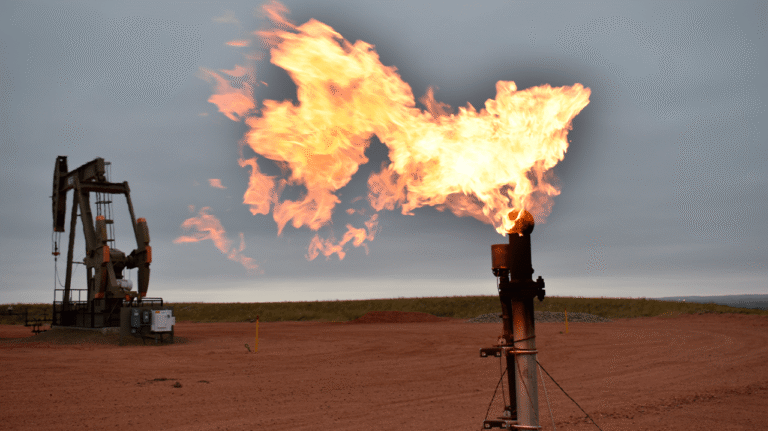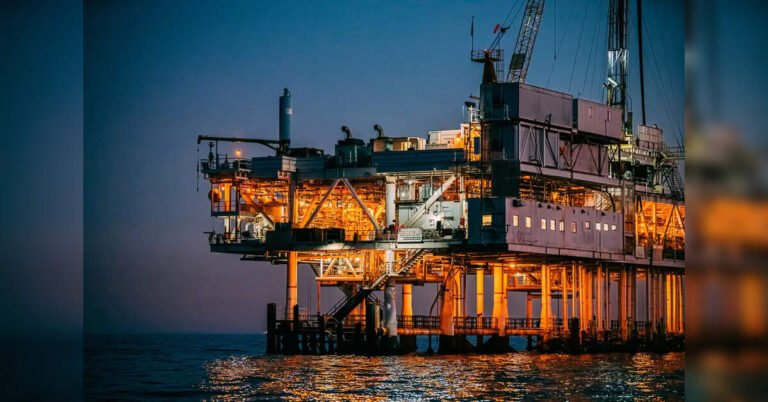


US drillers have pulled back on new drilling activity, cutting oil and gas rigs for the first time in four weeks, signaling a fresh pause in the nation’s energy expansion.
What Happened
The latest weekly count shows a notable drop in active rigs across the country, ending a brief period of stabilization. After several weeks of modest gains or steady numbers, drillers have once again reduced their operational footprint.
Sharp Weekly Decline
The total number of rigs fell by double digits, marking the largest weekly drop since early 2023. Oil-directed rigs saw the steepest decline, while gas rigs also dipped, reflecting a broad pullback in drilling momentum.
This reversal comes amid ongoing uncertainty in energy markets and persistent pressure on production costs.
Why It Matters
The rig count is a leading indicator of future oil and gas output, and its recent slide suggests drillers are growing cautious. The drop could signal weaker investment appetite and a potential slowdown in domestic energy supply growth.
Market Impact
A shrinking rig fleet often precedes lower production volumes, which can influence both domestic fuel prices and global energy markets. Analysts are watching closely for any ripple effects on crude oil and natural gas inventories.
Reduced drilling activity also means less demand for oilfield services, impacting jobs and revenues across the sector.
Key Details
The current rig count is now near its lowest level in over three years, underscoring the challenges facing the industry. Oil rigs remain the dominant segment, but their numbers have fallen sharply compared to a year ago.
Basin-by-Basin Trends
- The Permian Basin, the nation’s top oil-producing region, continues to lead in rig activity, but even here, operators are scaling back.
- Other major basins, including the Eagle Ford, have also seen declines, with fewer rigs running than at the same time last year.
Despite efficiency gains and improved drilling techniques, the overall trend points to a more restrained approach from energy companies.
What Comes Next
With rig activity now trending downward, the industry faces a pivotal moment. Further cuts could tighten supply and support higher prices, while a rebound in drilling would signal renewed confidence.
Outlook for 2026
Forecasts suggest the rig count may stabilize in the coming months, but any significant recovery will depend on oil and gas prices, regulatory conditions, and broader economic trends.
For now, the latest numbers reflect a sector still grappling with volatility and shifting market dynamics.
The next few weeks will be critical in determining whether this latest pullback is a short-term pause or the start of a deeper retreat in US drilling activity.