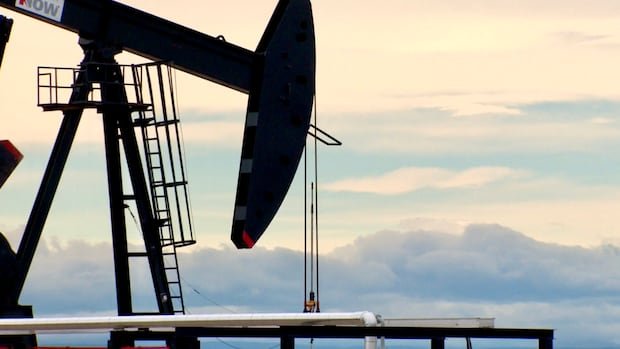



US drillers pulled back on new oil and gas projects last week, cutting rigs for the first time in a month as the industry shows signs of renewed caution amid shifting market signals.
What Happened
The latest weekly count shows a notable drop in active drilling rigs across the United States, ending a brief period of stability. After several weeks of modest gains or flat activity, the total number of rigs fell sharply, marking the largest weekly decline seen in over a year.
Sharp Weekly Drop
The total rig count dropped by double digits, with oil rigs seeing the steepest fall. Gas rigs, meanwhile, posted a small increase, while miscellaneous rigs edged down. The decline was broad-based, affecting both onshore and offshore operations.
Why It Matters
This pullback comes at a time when US crude production remains near record highs, defying expectations that more rigs are needed to maintain output. The drop highlights how technological advances and operational efficiencies are allowing producers to do more with less, even as global oil demand shows signs of softening.
Market Sentiment Shifts
The reduction in drilling activity reflects a broader trend of capital discipline among US energy companies. With oil prices under pressure and global inventories drawing down, many operators are choosing to hold back on expansion, prioritizing financial stability over aggressive growth.
Industry watchers see this as a sign that the era of rapid rig growth may be over, at least for now.
Key Details
The oil rig segment saw the most significant decline, falling by more than ten rigs week-on-week. Gas rigs, however, held steady or increased slightly, suggesting continued interest in natural gas despite overall market caution.
Regional Trends
Major producing states like Texas and New Mexico saw their rig counts dip, with Texas hitting its lowest level in years. The Permian Basin remains the country’s top oil-producing region, but even there, activity has cooled as operators focus on efficiency and cost control.
- Total rigs: Down double digits week-on-week
- Oil rigs: Sharpest decline
- Gas rigs: Slight increase
- Miscellaneous rigs: Small drop
- Permian Basin: Activity cooling
The shift underscores a new reality for US drillers: fewer rigs, but higher output.
What Comes Next
With global oil markets facing uncertainty and inventories under pressure, the trend toward fewer rigs could continue in the near term. Analysts expect US drillers to remain cautious, focusing on optimizing existing operations rather than expanding into new territory.
Looking ahead, the industry’s ability to maintain high production levels with a shrinking rig fleet will be closely watched. Any sustained drop in drilling activity could signal deeper shifts in the energy landscape, with implications for global supply and prices.
The takeaway is clear: US drillers are adapting to a new era of efficiency and restraint, and the rig count is a key indicator of where the industry is headed.