

“`html
The Trump administration has unveiled an ambitious offshore drilling strategy that would fundamentally reshape America’s energy landscape, opening vast federal waters off California and Florida to oil and gas exploration for the first time in decades. The plan marks a dramatic reversal of Biden-era policies and sets the stage for one of the most contentious energy battles between Washington and state governments in recent years.
What Happened
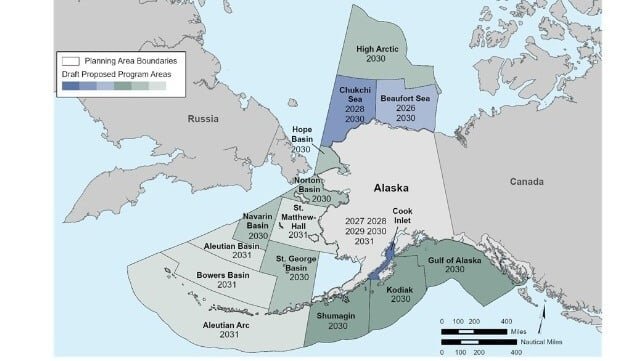
The Interior Department announced a comprehensive 11th National Offshore Leasing Program that would facilitate up to 34 offshore sales across approximately 1.27 billion acres off Alaska, the Gulf of Mexico, and the Pacific coast through 2032. The initiative specifically targets waters off California and Florida that have been largely off-limits to new drilling activity for decades.
The California plan proposes sales off Southern California in 2027, 2029, and 2030, with additional sales planned for Central and Northern California. The Florida proposal includes a new leasing region called the “South-Central Gulf of America” with a 100-mile buffer zone off the coast, though questions remain about how this aligns with existing drilling moratoriums.
Why It Matters
This proposal represents a fundamental clash between energy production and environmental protection, pitting the Trump administration’s vision of American energy dominance against fierce opposition from coastal states and environmental advocates.
Interior Secretary Doug Burgum framed the initiative as essential to meeting the nation’s “increasing energy demands” and securing jobs. Environmental organizations warned of catastrophic risks to marine ecosystems and coastal communities. California Governor Gavin Newsom called the plan “reckless” and accused the administration of selling the coastline to “Big Oil benefactors.”
The Deepwater Horizon disaster and the 2015 Refugio State Beach oil spill loom large in the consciousness of both states, fueling concerns about potential environmental and economic devastation should another major incident occur.
Key Details
The plan dramatically expands upon Biden’s more limited offshore leasing strategy, which had included only three planned sales between 2024 and 2029. The new proposal extends to 2032 and encompasses vastly more territory and frequency of leases.
However, significant obstacles stand in the way of implementation. Legal analysts note that California maintains veto authority over onshore pipelines and terminals needed to transport oil from federal waters to land. The state also has legal tools to challenge the federal leasing plan, and extensive litigation would likely precede any actual drilling operations.
Some energy policy experts view the California provisions as largely symbolic. “It’s about the dumbest thing you could do with your money,” one Democratic representative quipped, predicting minimal commercial interest given the regulatory and legal hurdles.
The Florida component faces its own political complications, as the proposed leasing region appears to fall within areas protected by Trump’s own 2020 moratorium through 2032, creating internal contradictions within the administration’s own framework.
What Comes Next
The proposal must navigate complex procedural requirements and faces immediate legal challenges from environmental groups and state governments. State officials across California and Florida have already signaled strong resistance, with both Democratic and Republican leaders expressing concerns about tourism industry impacts and environmental risks.
Industry interest in actually pursuing these leases remains uncertain given the litigation landscape and regulatory complexity, particularly for California operations. The proposal represents an opening salvo in what promises to be a prolonged policy battle extending well beyond the current administration.
“`