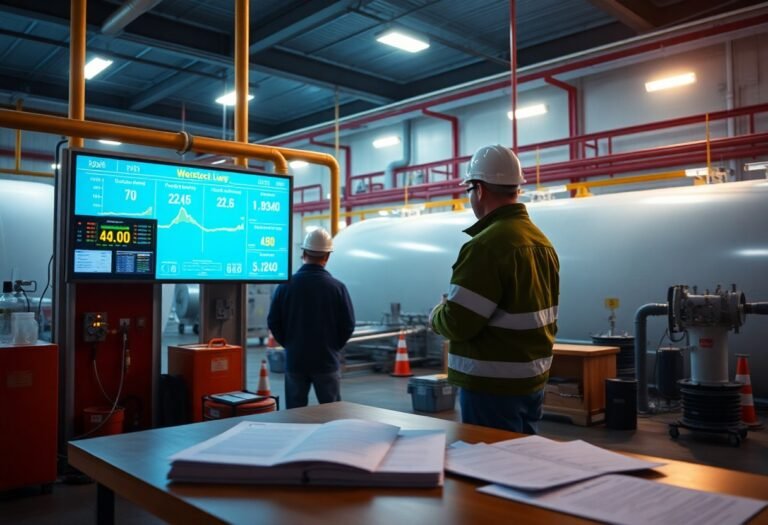



It’s important to prioritize effective training for aspiring station managers to ensure their success in a rapidly evolving industry. By focusing on key skills and providing hands-on experience, you can cultivate a strong leadership foundation that drives operational efficiency. The right training programs not only equip you with the necessary tools to manage complex challenges but also foster a culture of innovation and resilience in your team. Investing in your future leaders ultimately enhances morale and increases overall performance across your organization.
The Role of Station Managers
Overview of Responsibilities
Your primary responsibilities as a station manager encompass overseeing daily operations, ensuring efficiency, and delivering exceptional customer service. You manage staff, coordinate schedules, and handle budgets, while also being the main point of contact for vendors and stakeholders. Adapting to unforeseen challenges, you ensure that safety protocols are followed rigorously, all while maintaining a focus on the station’s strategic goals.
Skills Required for Success
Successful station managers must possess a blend of leadership, communication, and problem-solving skills. You need to effectively motivate and guide your team while managing conflict and making informed decisions under pressure. Additionally, strong financial acumen is vital for managing budgets and resources efficiently in this dynamic environment.
Building on these skills, effective station managers are adaptable and detail-oriented. You should be able to analyze operational data to identify trends, which inform your strategy and decision-making process. Your ability to cultivate relationships helps foster a positive work environment and enhance collaboration among diverse teams, driving overall station performance.
Importance of Effective Leadership
Effective leadership is vital in your role as a station manager. It sets the tone for the entire team and influences workplace morale. When you lead by example, you inspire your team to strive for excellence and maintain high operational standards, which ultimately leads to enhanced customer satisfaction.
Your leadership impacts not only the day-to-day functions but also shapes the station’s culture and long-term vision. When team members feel supported and empowered, they are more likely to engage fully, drive initiatives, and contribute positively to the station’s objectives. Moreover, effective leaders navigate challenges with resilience, ensuring your team stays focused and motivated through any situation.
Identifying Future Leaders
Traits of Strong Station Manager Candidates
When evaluating potential station manager candidates, prioritize leadership skills, adaptability, and effective communication. Look for individuals who demonstrate a strong sense of initiative and possess a track record of successful team collaboration. Candidates should also exhibit problem-solving capabilities and an understanding of operational efficiency, which are vital for navigating the challenges of station management.
Succession Planning Strategies
Implementing effective succession planning strategies involves assessing current talent and creating tailored development plans. Identify key roles that may soon need to be filled and establish a mentorship program to enhance the skills of potential leaders through on-the-job training and professional growth opportunities.
Developing a robust succession planning framework includes regular reviews of employee performance and succession readiness. Utilize tools like 360-degree feedback and performance software to track progress. Involve current leaders in mentoring sessions, ensuring emerging talent gains insights from experienced managers. This proactive approach ensures a pipeline of qualified candidates ready to step into management roles when needed, minimizing disruptions.
Engaging Staff to Identify Potential Leaders
Involving your staff in identifying potential leaders fosters a collaborative culture and amplifies engagement. Encourage open dialogue about leadership opportunities and seek input on candidates’ strengths and capabilities. This awareness cultivates a sense of shared responsibility for leadership development.
To effectively engage your staff in this process, hold regular workshops and feedback sessions where team members can discuss leadership aspirations and recognize skills in colleagues. Utilizing assessment tools, such as peer evaluations and leadership simulations, allows you to pinpoint those who not only excel in their current roles but also demonstrate potential for future leadership, contributing to a more cohesive and motivated workforce.
Training Programs for Station Managers
Design and Development of Training Modules
Your training modules should reflect the dynamic nature of station management. Start by analyzing the core competencies necessary for success, such as operational leadership and customer service. Incorporate a blend of theoretical content and practical applications, ensuring that each module aligns with real-world challenges. Limit each session to less than a day to enhance retention and cater to varying learning styles, utilizing multimedia resources and hands-on activities.
On-the-Job Training Techniques
Implementing effective on-the-job training techniques integrates learning directly into daily tasks. By allowing your trainees to shadow experienced staff, you foster real-time problem-solving skills and encourage active engagement with operational protocols. Utilize experiential learning to deepen understanding, incorporating feedback sessions to refine their approach and confidence.
These on-the-job techniques can include rotation through different roles, allowing trainees to grasp various functions vital to station management. Encourage them to take on responsibilities gradually; for instance, assigning them to lead safety briefings or manage special events. Use debrief sessions to discuss challenges and successes, reinforcing their learning in a supportive environment.
Mentorship and Coaching Opportunities
Establishing mentorship and coaching opportunities allows you to personalize training experiences. Pairing new station managers with seasoned professionals fosters a culture of support and development. This relationship not only enhances skill transfer but also builds confidence and resilience, critical components for future leaders.
Mentorship programs should include regular check-ins to assess progress and provide guidance. Encourage mentors to share their own experiences, both successes and failures, to offer insight into practical challenges. Create an environment where mentees feel comfortable asking questions and seeking advice, thereby solidifying their growth into competent station managers who are prepared to tackle complex issues in the field.
Continuous Professional Development
Ongoing Education and Certification
Your commitment to ongoing education and certification can significantly enhance your skills as a station manager. Pursuing relevant certifications, such as those from the National Association of Broadcasters, not only deepens your industry knowledge but also boosts your credibility within the sector. Programs that focus on leadership, operational management, and compliance can equip you with the expertise needed to navigate complex challenges effectively.
Workshops and Seminars for Skill Enhancement
Participating in workshops and seminars is vital for refining your skill set. These events often provide hands-on experience and direct insights from industry leaders, offering you a platform to engage with current trends and best practices.
Workshops and seminars are designed to foster interactive learning and networking, allowing you to connect with other professionals while gaining practical insights. Topics might range from radio advertising strategies to crisis management in broadcasting, tailored to the unique challenges you face. For instance, seminars that include case studies from successful station managers illustrate real-world scenarios, enabling you to apply learned concepts to elevate your management style.
Utilization of Online Learning Platforms
Embracing online learning platforms enables you to expand your knowledge base flexibly and at your own pace. Numerous platforms offer specialized courses that focus on emerging technologies and trends within the broadcasting industry.
Online learning platforms such as Coursera, Udemy, and LinkedIn Learning provide access to courses led by industry experts, covering areas from digital marketing to analytics. This accessibility allows you to tailor your educational journey according to your specific interests and schedule. Engaging with interactive elements and community discussions on these platforms fosters a deeper understanding and keeps you current with the latest industry advancements.

Technology and Tools in Training
Incorporating Simulation Training
Simulation training provides an immersive environment where you can practice real-life station management scenarios without the risks associated with live operations. These programs allow you to interact with realistic challenges, enhancing your decision-making and problem-solving skills. With practice, you can refine your techniques in areas like emergency response, staff coordination, and customer service, ensuring you’re well-prepared for actual situations.
Leveraging Virtual Reality for Realistic Scenarios
Virtual reality (VR) enhances training by creating lifelike environments that replicate daily operations at a station. By immersing yourself in these scenarios, you gain firsthand experience tackling realistic challenges that a manager faces, from handling equipment failures to managing staff conflicts.
Using advanced VR technologies, you can experience a variety of situations, such as peak operational hours or unexpected emergencies, where your quick thinking and adaptability are put to the test. This interactive learning improves retention and builds confidence in your abilities. The power of VR lies not only in the realism but also in its ability to recreate high-pressure situations without real-world consequences, allowing for effective learning and skill enhancement.
Tracking Progress and Evaluating Effectiveness
Regular assessment of your training progress is important for identifying areas of strength and those needing improvement. Implementing structured evaluations and feedback loops allows you to gauge the effectiveness of training programs and make adjustments as necessary.
Utilizing data analytics tools can provide detailed insights into your performance and learning curves. By comparing your initial assessments to ongoing evaluations, you can benchmark your development. This systematic tracking facilitates discussions with mentors and trainers, ensuring your training remains aligned with organizational goals while fostering your personal growth as a future station manager.
Measuring Success and Improvements
Key Performance Indicators for Station Managers
To effectively gauge the performance of station managers, you should focus on key performance indicators (KPIs) such as employee retention rates, customer satisfaction scores, and operational efficiency metrics. Monitoring these KPIs allows you to determine which training elements are effective and how well candidates are applying their skills in real-world scenarios.
Feedback Mechanisms for Training Programs
Implementing robust feedback mechanisms is vital for evaluating your training programs. Surveys, performance reviews, and one-on-one discussions with trainees can provide insights into their experiences and areas needing improvement, enabling you to refine your approach.
Incorporating feedback through structured surveys and informal conversations with your station managers ensures that the training meets their needs. Consider using a mixed-methods approach: quantitative surveys can capture overall satisfaction and specific skill development, while qualitative interviews reveal nuanced insights. This ongoing dialogue promotes a culture of continuous improvement and keeps the training relevant.
Adjusting Training Strategies Based on Results
After reviewing performance results and feedback, you must adjust training strategies accordingly. This adaptive approach enables you to enhance program effectiveness while ensuring that training aligns with the evolving needs of your team and the station.
Adaptation may involve modifying course content, changing training formats, or incorporating new tools and technologies to address identified gaps. For instance, if feedback shows that employees struggle with customer service skills, you might introduce role-playing exercises or dedicated workshops to target those specific challenges. Staying responsive to performance outcomes guarantees that your training remains aligned with business goals.
To wrap up
Taking this into account, your commitment to training the next generation of station managers is necessary for fostering a culture of excellence and innovation in your organization. By equipping your team with the necessary skills and knowledge, you ensure sustainable success and adaptability in a rapidly evolving industry. Investing in comprehensive training programs not only enhances performance but also cultivates leadership potential within your ranks, ultimately positioning your station for future challenges and opportunities.