

“`html
TotalEnergies faces sharp scrutiny over its role in Mozambique amid unsettling allegations of complicity in war crimes and human rights abuses. As the energy giant prepares to revive its suspended LNG project, questions about the security arrangements and treatment of local communities cast a shadow over the company’s operations. The controversy unfolds in a region plagued by insurgency and enduring humanitarian crises, igniting fierce debate worldwide.
What Happened
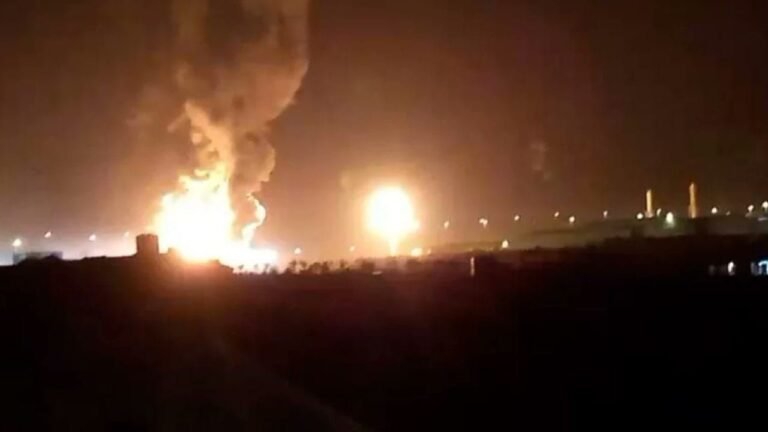
In 2021, TotalEnergies paused its Mozambique LNG project following deadly attacks by jihadist insurgents near Palma, Cabo Delgado province. During this suspension, the site was protected by Mozambican armed forces organized under a Joint Task Force (JTF), established through a 2020 agreement between TotalEnergies’ local subsidiary and the Mozambique government.
However, serious allegations emerged alleging that these security forces arbitrarily detained, tortured, and killed civilians in proximity to the project site. Internal documents indicate TotalEnergies was aware of widespread human rights violations committed by the JTF as early as 2020 but continued to support security operations aimed at safeguarding its infrastructure.
Recently, a criminal complaint was filed accusing TotalEnergies of complicity in war crimes, torture, and enforced disappearances linked to actions by the Mozambican military around the facility. The company firmly denies these charges, asserting it evacuated all personnel before the security incidents and emphasizing that maintaining local security is the sovereign responsibility of Mozambique’s authorities.
Why It Matters
Corporate Accountability in Conflict Zones
This case highlights the complex ethical and legal challenges faced by multinational corporations operating in conflict-affected regions. Allegations that TotalEnergies knowingly supported forces accused of grave human rights abuses raise pressing questions about corporate responsibility and oversight. It challenges the notion that businesses can remain neutral actors when their operations intersect with state security forces engaged in violent conduct.
Impact on Local Communities and Regional Stability
The violent environment around the LNG project continues to affect local populations, whose freedom of movement and safety have been reportedly restricted. Civil society organizations warn that attempts to reinforce security at the project site could expose nearby villages to heightened risks from insurgent groups.
Key Details
- The Joint Task Force security arrangement was part of a memorandum intended to protect the LNG project site but has been dissolved since October 2023.
- TotalEnergies recently lifted the force majeure on the project, signaling intent to resume operations despite ongoing security concerns and negotiations with Mozambique over financial terms.
- Investigations into the alleged abuses involve multiple jurisdictions, including French anti-terrorism prosecutors, reflecting international legal implications for corporate conduct.
- TotalEnergies maintains it has cooperated with Mozambican authorities and called for official investigations into the accusations, positioning itself as supportive of due process.
What Comes Next
Amid escalating legal challenges and intense public scrutiny, TotalEnergies is at a crossroads. The company’s ability to restart its Mozambique LNG project depends not only on financial and operational factors but also on addressing the serious human rights concerns raised.
The unfolding judicial inquiries and civil society pressure will critically shape the future of the project and set important precedents for accountability in resource extraction industries operating in conflict zones. How TotalEnergies navigates this crisis will influence its reputation and the broader conversation on ethical energy development worldwide.
“`