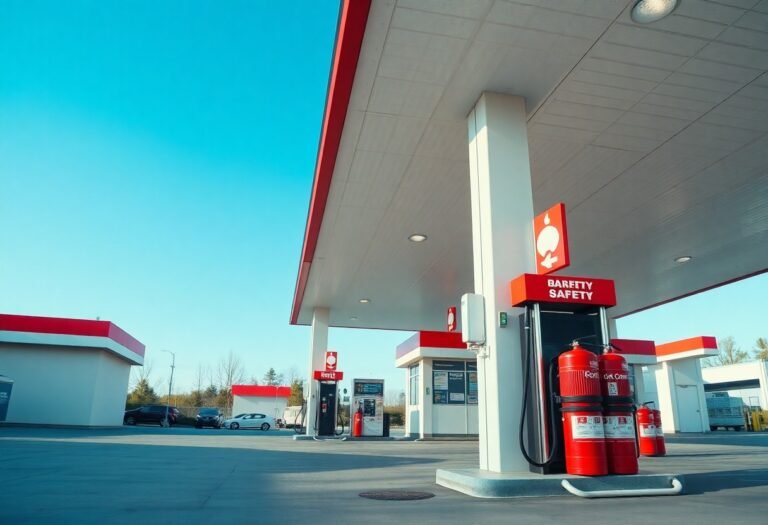



With the evolution of convenience, you may notice that gas stations are transforming into diverse retail destinations. They now offer a variety of products and services, from gourmet snacks to quick-service restaurants, catering to your on-the-go lifestyle. This shift not only enhances your experience but also positions gas stations as significant players in the retail landscape. Understanding this trend can help you make informed choices about where to stop, maximizing both your time and budget.
The Evolution of Fuel Stations
Historical Overview
Initially, fuel stations were simply service points primarily focused on pumping gas. The first gasoline station, opened in 1888 in Wiesloch, Germany, resulted in a basic infrastructure that grew rapidly with the advent of the automobile. By the mid-20th century, the rise of the highway system transformed gas stations into vital services along roadways, paving the way for more expansive operations.
The Transition to Convenience Retailing
As consumer preferences shifted, fuel stations began to evolve into multi-functional retail hubs. Stations incorporated convenience stores stocked with snacks, beverages, and other crucials, catering to your need for quick access while refueling. This shift became significant by the 1990s, enabling businesses to boost profits while providing value-added services.
Technological Developments
Advanced technology has reshaped your experience at fuel stations significantly. Digital payment systems, loyalty apps, and smart dispensers streamline refueling processes, making transactions faster and more secure. Furthermore, the shift toward electric vehicle (EV) charging stations present new opportunities and challenges for traditional fuel providers.
For instance, companies like BP and Shell have invested heavily in creating EV infrastructure, recognizing that electric charging could become as prevalent as gasoline pumps. By integrating technology like contactless payments and real-time inventory tracking in convenience stores, stations enhance your browsing and purchasing experiences, aligning with modern consumer expectations. These advancements not only cater to your immediate needs but also position fuel stations as forward-thinking retail destinations.
The Changing Consumer Landscape
Shifts in Consumer Behavior
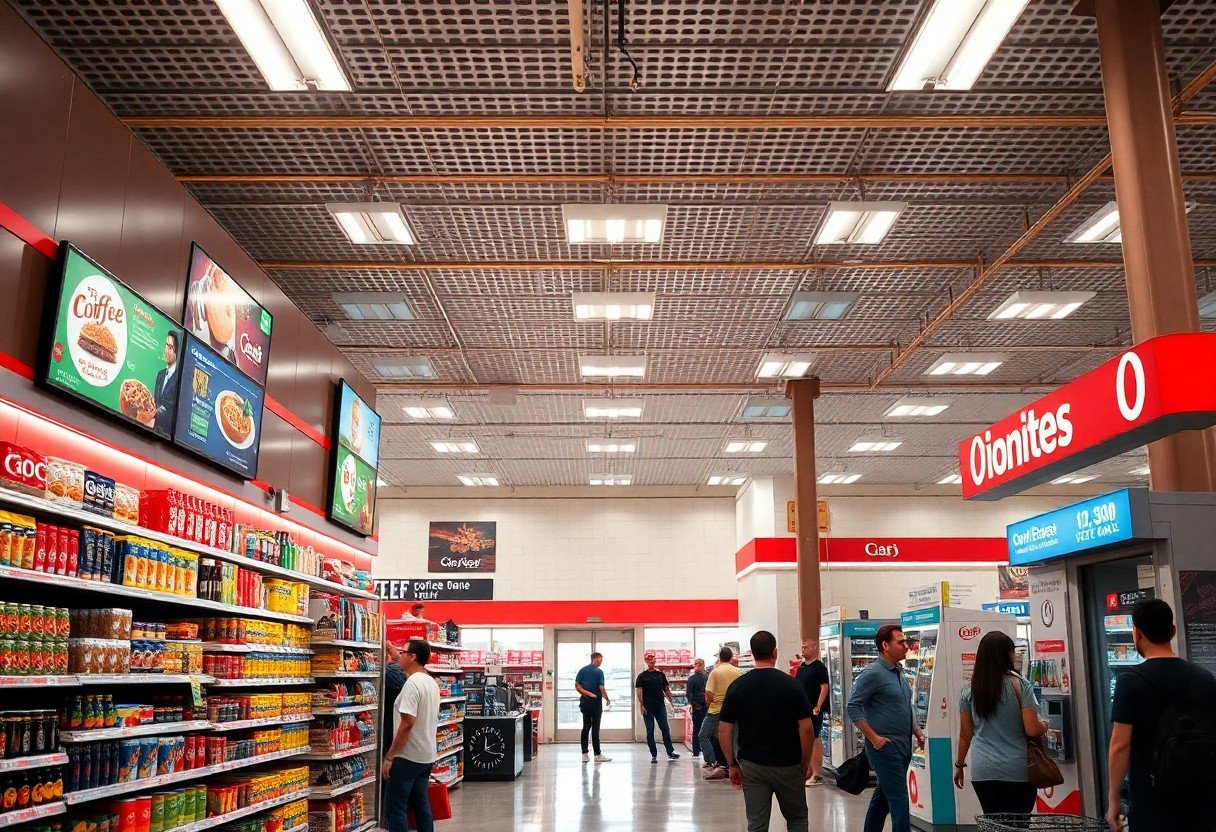
Your expectations as a consumer have evolved significantly. Today, you seek more than just fuel; you look for convenience, quality, and experience. Data shows that nearly 70% of fuel purchases are now combined with in-store shopping, illustrating a shift towards using stations as one-stop retail destinations.
The Emergence of the On-the-Go Culture
As lifestyles become increasingly fast-paced, your need for convenience drives the transformation of fuel stations into dynamic retail spaces. Consider that over 60% of consumers now prioritize quick service and accessibility when choosing a fuel station, leading to a greater emphasis on multifunctional offerings and seamless transactions.
Fuel stations have adapted to this on-the-go culture by enhancing your experience through technology and services that cater to your busy life. You find innovative solutions like mobile ordering, integrated payment systems, and food offerings from popular brands that allow you to quickly grab what you need while refueling. This shift is transforming fuel stations into necessary stops that prioritize your convenience and time efficiency.
Demographic Influences on Fuel Station Design
Your demographic profile significantly influences how fuel stations are designed and operated. Stations are now built with specific amenities that cater to your preferences and lifestyle, from eco-friendly options to digitally integrated services tailored for younger consumers.
Understanding your demographic shifts prompts designers to create spaces that reflect what you value. For instance, millennials and Gen Z are driving demand for sustainability, leading many stations to include EV charging stations and locally sourced food options. Meanwhile, older generations may prioritize traditional services like car washes and convenience. This tailored approach ensures that your needs and values are reflected in the design and offerings of modern fuel stations, effectively making them a reflection of the community served.
Enhancing the In-Store Experience
The Role of Store Layout
Your experience is significantly influenced by the store layout. A well-structured design encourages exploration and highlights key product areas. Implementing an open floor plan allows for easy navigation, while intuitive signage directs you toward featured promotions and popular items. The positioning of high-margin products near checkout points can increase impulse buys, enhancing your overall shopping experience.
Product Selection and Diversification
The selection of products available at a fuel station has transformed dramatically. Savvy operators recognize that diverse offerings cater to varied customer preferences and lifestyles. Beyond traditional snacks and beverages, you’ll find fresh food options, health-conscious items, and even local artisanal goods, ensuring you meet your needs without sacrificing quality.
For instance, many modern stations now stock grab-and-go healthy meals and organic snacks, appealing to your growing preference for wellness. By also featuring local products, these retailers create a sense of community that resonates with your desire for authenticity. Such diversity not only boosts customer satisfaction but also drives revenue, as you’re more likely to linger and purchase more than just fuel.
Integration of Technology
The integration of technology at fuel stations fundamentally enhances your shopping experience. Innovations like mobile payment options and in-app rewards programs simplify transactions, making them faster and more convenient. Many stations also offer digital menus and interactive displays that provide real-time updates on promotions and new product launches.
For example, many fuel stations now feature loyalty apps that track your purchases and suggest personalized deals based on your buying habits. This use of technology not only streamlines the checkout process but also creates a tailored shopping experience that keeps you engaged. As fuel stations adopt more advanced tech solutions, they’re not just filling your tank but creating a seamless retail environment that meets your evolving expectations.
Partnerships and Collaborations
Collaborations with Fast Food Chains
Fuel stations are increasingly collaborating with popular fast food chains to create a one-stop-shop experience for customers. These partnerships allow you to grab a quick meal while refueling, with brands like McDonald’s and Subway commonly found within station premises. Such collaborations not only boost foot traffic but also enhance customer satisfaction by reducing your need to make extra stops during your travels.
Partnership with Local Businesses
Forming partnerships with local businesses allows fuel stations to diversify their offerings and support community engagement. These collaborations lead to unique product selections, from artisanal snacks to local craft beverages, making your visit more appealing and customized. You benefit from discovering regional flavors while supporting local commerce.
Many stations are now partnering with local artisans, offering goods that reflect the community’s character. For instance, you might find a fuel station alongside a local bakery that sells fresh pastries or a farmer’s market area featuring organic produce. This type of synergy not only elevates your experience but encourages a sense of community pride and loyalty to the station as a retail destination.
The Influence of Coffee Shops and Bistros
Integrating coffee shops and bistros within fuel stations taps into the growing demand for quality beverages and foods during commutes. These spaces attract you with the promise of freshly brewed coffee and gourmet sandwiches, making the station a more inviting place to pause during your travels.
The presence of renowned coffee brands, alongside local roasters, has transformed fuel stations into bustling social hubs. You can savor a handcrafted latte while refueling or take a break with friends before hitting the road. This trend illustrates how fuel stations leverage the appeal of coffee culture, catering to your desire for quality and convenience, thus elevating your overall experience significantly.
Marketing Strategies for Fuel Stations
Branding Initiatives
Your fuel station’s brand identity is vital for standing out in a crowded market. Strong branding initiatives often leverage visual elements like logos and color schemes, but also extend to the overall customer experience. For instance, creating a memorable tagline and ensuring consistency across all platforms can drive recognition and loyalty, making customers feel connected to your values and mission.
Loyalty Programs and Customer Retention
Implementing effective loyalty programs can significantly enhance customer retention. By offering incentives such as discounts, points redeemable for in-store products, or special promotions, you encourage repeat visits. You can tailor these rewards based on purchasing behavior to optimize engagement and retention.
Studies show that 70% of consumers are more likely to return to a store where they have a loyalty program privilege. Personalization in your loyalty offerings can further increase this effect; when customers see rewards that resonate with their habits, their satisfaction and likelihood to return grow exponentially. Consider incorporating tiered rewards to create a more engaging experience.
Digital Marketing Trends
Incorporating digital marketing strategies is imperative to reach today’s tech-savvy customers. By utilizing social media platforms, email marketing, and targeted ads, you can create more immediate and personal connections with your audience. Engaging visual content, combined with strategic use of hashtags, can increase your visibility online.
Digital marketing analytics offer invaluable insights into consumer behavior, allowing you to tailor your offerings more accurately. For example, utilizing geo-targeted ads can attract customers in your vicinity, while retargeting campaigns remind past customers of your fuel station. A seamless omnichannel approach will elevate your marketing effectiveness, driving not just fuel sales but in-store purchases as well.
Sustainability and Future Growth
Incorporating Eco-Friendly Practices
You can expect fuel stations to adopt more eco-friendly practices in their operations. From solar panels that generate renewable energy to biodegradable packaging in convenience stores, these initiatives are not just beneficial for the planet but also attract environmentally conscious consumers. Stations are beginning to include electric vehicle (EV) charging stations, allowing you to fill up your tank while supporting sustainable energy.
The Impact of Electric Vehicles
The rise of electric vehicles is reshaping the fuel station landscape immensely. Stations are blending traditional fuel options with charging points, offering you the convenience of refueling regardless of your vehicle choice. By 2030, it’s projected that over 30% of global vehicle sales will be electric, pushing stations to adapt rapidly or risk obsolescence.
With electric vehicles on the rise, fuel stations are reimagining their roles to include more charging infrastructure. You might find fast-charging stations at conventional gas stations, allowing you to recharge while you shop or grab a bite. Companies like BP and Shell are investing heavily in EV charging networks to ensure that you have access to battery charging as seamlessly as fueling up with gasoline. This shift indicates a long-term commitment to sustainability, aligning your fueling experience with evolving automotive technology.
Future Trends in Fuel Station Development
As you look toward the future, fuel stations are poised to transform into multi-service retail environments. Emerging trends suggest a shift toward automation, including contactless payments and advanced loyalty programs designed to enhance your experience. Expect to see more amenities like cafés and wellness offerings, making every visit more appealing.
Future developments indicate that fuel stations will become comprehensive destinations rather than mere fueling points. You might soon experience stations that incorporate smart technology, like AI-driven customer service, to tailor services according to your preferences. Furthermore, integrating sustainable features such as rainwater harvesting and vertical gardens can significantly enhance the customer experience while promoting eco-friendliness. This evolution is driven by the need to meet consumer expectations for convenience, sustainability, and overall lifestyle compatibility.
Final Words
From above, you can see that the evolution of gas stations into vibrant retail destinations reflects changing consumer needs and preferences. As you seek convenience and quality, stations are transforming their offerings to include diverse products and services, enhancing your overall experience. You benefit from these innovations, whether it’s grabbing a quick snack or finding important items during your travels. This shift not only boosts the profitability of stations but also elevates them as integral stops in your day-to-day life, merging fueling with modern retail experiences.