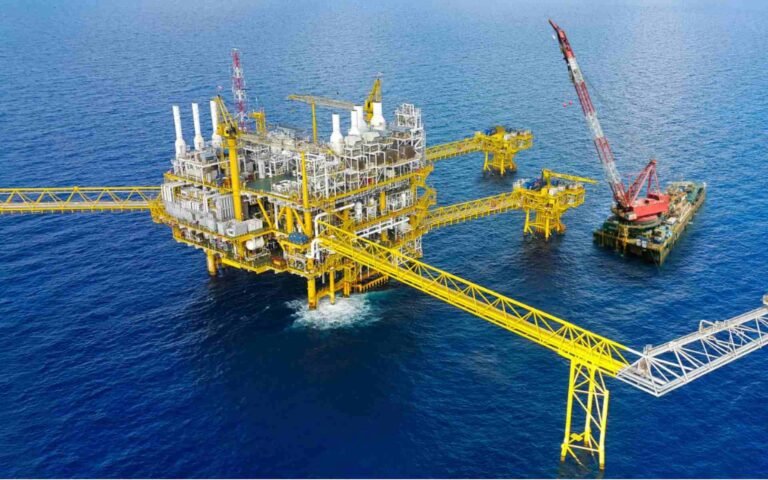



Remotely Operated Vehicles (ROVs) are revolutionizing the offshore oil and gas industry by offering advanced solutions for inspection, maintenance, and construction. These unmanned underwater vehicles, controlled from the surface, have transformed the way operations are conducted in deep and complex environments, significantly enhancing safety and efficiency. The integration of ROVs into offshore oil and gas operations has been a crucial step in meeting the increasing demand for these resources while minimizing environmental and safety risks.
## The Role of ROVs in Offshore Operations
ROVs play a multifaceted role in offshore oil and gas operations, encompassing **exploration**, **inspection and maintenance**, **construction**, and **environmental monitoring**.
### Exploration and Seabed Mapping
ROVs are instrumental in the early stages of oil and gas development by conducting seabed surveys and providing detailed mapping of underwater terrains. This includes assessing the suitability of potential drill sites, analyzing sediment composition, and identifying potential hazards. Such data are crucial for strategic planning, ensuring that drilling operations are both viable and safe, thereby minimizing costly failures and environmental impacts.
### Inspection and Maintenance
One of the primary functions of ROVs is to inspect and maintain underwater structures such as pipelines, risers, and platform foundations. They are equipped with high-resolution cameras and sensors that can detect signs of corrosion, leaks, or structural damage, which helps prevent accidents and ensures regulatory compliance. Additionally, ROVs can perform small repairs, such as patching leaks or stabilizing components, reducing downtime and the need for human intervention in hazardous conditions.
### Construction and Installation
ROVs are also pivotal in the construction of underwater infrastructure. They assist in site preparation, guide pipe-laying operations, and help in positioning and installing subsea equipment. With the integration of advanced manipulators, ROVs can perform tasks that require precision and dexterity, making them indispensable in complex construction projects.
## Advancements in ROV Technology
The evolution of ROV technology has been driven by the need for more efficient and reliable solutions. **Modular designs** and **advanced payloads** have increased the versatility of ROVs, allowing them to be customized for specific tasks. This includes carrying heavy payloads or integrating with specialized tools and sensors, which enhance their ability to conduct detailed surveys and inspections.
### Improving Safety and Efficiency
A significant advantage of using ROVs is the reduction of safety risks associated with human divers. By minimizing the need for human intervention in deep or hazardous environments, ROVs help ensure that operations are conducted safely and efficiently. This not only reduces the risk of accidents but also decreases operational costs by limiting the need for specialized support vessels.
## Challenges and Opportunities
Despite the advancements, there are still challenges to overcome. **System reliability** and **cable management** remain critical issues, as they can affect the operational efficiency of ROVs. However, ongoing technological innovations are addressing these challenges, making ROVs more robust and reliable.
### Future Opportunities
Beyond their current applications, there is an untapped potential for ROVs in scientific research and environmental monitoring. By integrating scientific equipment and modifying ROV operations, the industry can significantly contribute to understanding oceanic changes and marine life. This underscores the potential for ROVs to play a broader role in marine science and conservation.
## Conclusion
The integration of ROVs into the offshore oil and gas sector has been transformative, offering safer, more efficient, and environmentally responsible solutions for exploration, maintenance, and construction. As technology continues to advance, ROVs are poised to address even more complex challenges while expanding their role in environmental research and conservation. This not only enhances the sustainability of offshore operations but also contributes to a broader understanding of our marine ecosystems, highlighting the potential for ROVs to be a cornerstone of future environmental stewardship.