


“`html
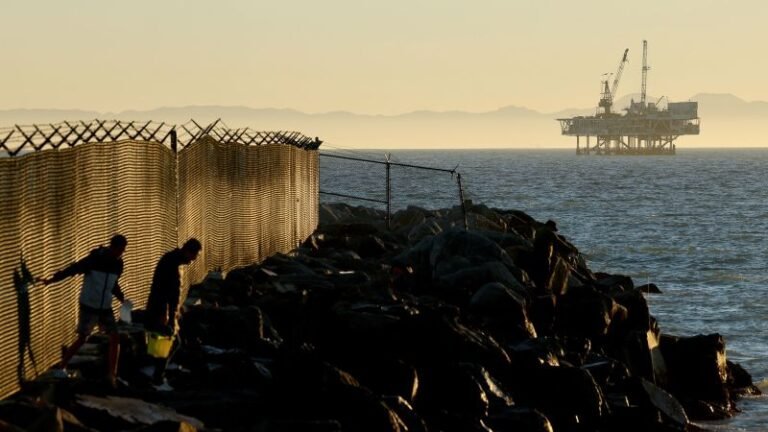
The Pacific Ocean is on the brink of a major transformation as the federal government moves to unlock offshore oil drilling along the West Coast for the first time in over 40 years. This bold shift ignites fierce debate over energy policy, coastal preservation, and the future of American energy independence.
What Happened
The U.S. Department of the Interior unveiled a sweeping draft plan that proposes opening up more than a billion acres of federal waters to offshore oil and gas drilling, including new lease sales off the coasts of California, Oregon, and Washington.
Marked by a directive called “Unleashing American Offshore Energy,” the plan aims to hold up to 34 lease sales nationwide through 2031. Six of these would target areas along the Pacific Coast, a region that has been off-limits for new drilling leases for decades.
These proposed leases would tap into an estimated 200 million barrels of proven reserves, and potentially over 10 billion barrels of undiscovered resources, mostly concentrated off Southern California.
Why It Matters
Economic and Energy Implications
The administration frames the proposal as critical for securing long-term energy supplies and bolstering U.S. energy dominance. Continuous offshore exploration, they argue, is necessary to meet projected demand and reduce reliance on foreign oil.
Oil and gas industry groups strongly support expanding access to new offshore areas, viewing it as essential to energy security through 2050.
Environmental and Community Concerns
Opponents warn this is an environmental gamble with coastal ecosystems and economies at stake. A catastrophic oil spill could destroy fisheries, tourism, and the way of life for millions who depend on healthy ocean waters.
Environmental organizations have called the plan an “oil spill nightmare” and a “betrayal” of public opinion, highlighting broad bipartisan resistance from coastal communities, business leaders, and lawmakers who fear ecological and economic fallout.
Key Details
- Lease sales are proposed between 2027 and 2030, with multiple sales in Southern, Central, and Northern California regions.
- Legal and regulatory hurdles loom, especially in California, where state authorities and environmental laws could delay or block drilling despite federal approval.
- The proposed program also includes significant lease sales in Alaska’s Outer Continental Shelf and parts of the Gulf of Mexico, though the Atlantic coast has been excluded following political pushback.
- A 60-day public comment period will open soon, allowing stakeholders to express support or opposition before final decisions are made.
What Comes Next
The path to actual offshore drilling remains complex and contentious. Legal challenges, state opposition, and widespread public concern are expected to shape the debate.
While the plan signals a dramatic policy reversal, it also faces an uncertain future given litigation risks and political resistance. The upcoming months will be critical as agencies review public input, refine lease proposals, and navigate the balance between energy goals and environmental stewardship.
In an era defined by climate urgency and energy transition, this proposal could reshape America’s coastline and energy landscape for decades — defining whether the Pacific Ocean becomes a new frontier for drilling or a battleground for conservation.
“`