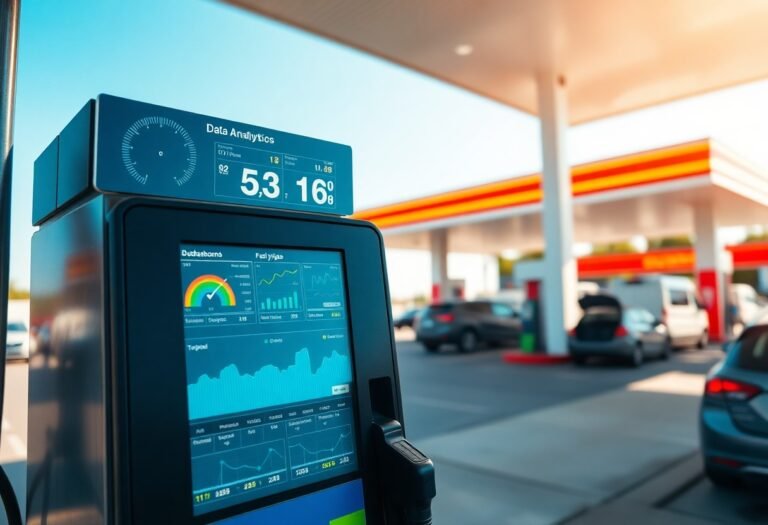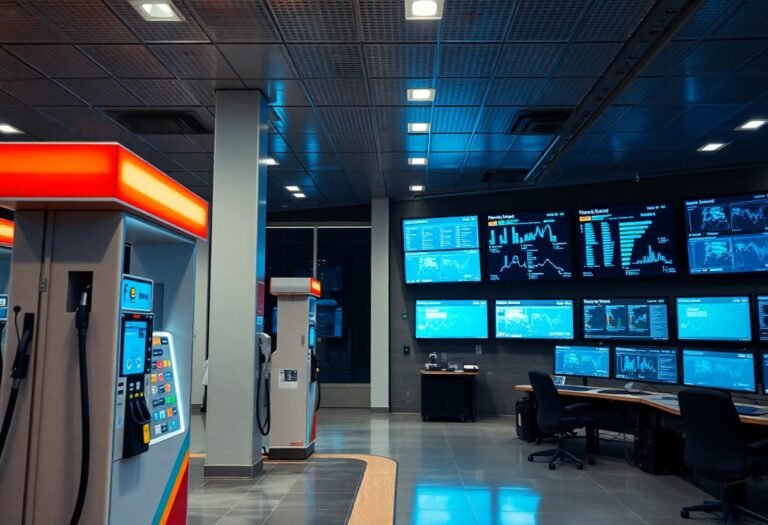



Designing your convenience store effectively can lead to enhanced customer flow and increased sales. By focusing on strategic layout and accessible product placement, you can create a welcoming environment that encourages purchases. Incorporating clear signage and ensuring sufficient space for movement can also help customers navigate your store quickly and easily. Furthermore, embracing technology, such as self-checkout options, can streamline the shopping experience while reducing wait times. Adopting these principles ensures your store remains competitive and appealing to today’s consumers.
Understanding Customer Flow
Definition of Customer Flow
Customer flow refers to the movement of customers within a retail space, encompassing how they enter, navigate, and exit the store. It is influenced by numerous factors, including store layout, accessibility, and the positioning of products. Effective customer flow enables seamless transitions from initial entry to final purchase, ensuring that customers can find what they need without unnecessary obstacles or frustration.
In the context of convenience stores, understanding customer flow is particularly vital. These stores often cater to high foot traffic, serving customers who seek efficiency and quick purchases. An optimized flow not only enhances the shopping experience but also encourages higher transaction volumes, as customers can easily locate items and make purchasing decisions faster.
Importance of Customer Flow in Convenience Stores
For convenience stores, customer flow is a determining factor in operational success. Streamlined movement can reduce the time customers spend in-store, making their visits more satisfying and increasing the likelihood of return visits. You benefit from a layout that minimizes congestion and maximizes accessibility to frequently bought items. This tailored approach leads to improved customer satisfaction and potentially higher sales.
Analyzing patterns in customer flow helps you recognize peak times and busy areas in your store, allowing for strategic staffing and stock placement. By facilitating better flow, you can decrease waiting times at checkout and encourage impulse purchases by placing enticing items along the path to the register. This not only enhances customer experience but can significantly boost your average transaction values.
Factors Influencing Customer Flow
Several factors play a role in shaping customer flow within your convenience store. The layout of the store is one of the most significant; an intuitive design allows customers to navigate easily. Additionally, the location of entrances and exits affects how shoppers enter and leave your space. Strategic placement of key items can both attract customers to high-margin products and direct their movement throughout the store.
- Store layout
- Location of entrance/exit
- Positioning of key items
Perceiving these factors can lead to actionable insights that enhance your store’s design. Adapting accordingly can facilitate increased foot traffic and improve customer retention, ultimately driving sales performance.
Understanding more about factors influencing customer flow allows you to make informed adjustments to your store. Beyond layout, elements such as signage and lighting can guide customer behavior, enhancing visibility of promotions or new products. tailored signage can draw attention to specific areas, while carefully designed lighting can create a welcoming atmosphere that encourages customers to explore.
- Signage
- Lighting
- Staff interactions
Perceiving these subtleties can make a significant difference in your store’s overall traffic and sales metrics, contributing to a more positive shopping environment. By leveraging these insights, you can create a strategic plan that maximizes customer flow and enhances the shopping experience.
Store Layout Design
Traditional Layout vs. Modern Layout
In a traditional convenience store layout, you often see long aisles that lead to a central checkout counter. This approach may lead to a disjointed shopping experience, where customers must navigate multiple points to find what they need. By contrast, a modern layout focuses on creating a more engaging atmosphere, integrating product displays into an open layout that encourages spontaneous purchases. For instance, using circular grids can help you facilitate a flow that pulls customers through various sections, amplifying their interaction with merchandise.
Modern layouts also emphasize flexibility, allowing you to modify space according to seasonal trends or promotions. By adopting modular shelving and multi-functional areas, you can adapt your store’s appearance without significant renovations, thus staying relevant to consumer preferences. This adaptability contributes to an environment that feels fresh and inviting, significantly impacting customer flow and boosting sales.
Zoning for Efficiency
Zoning defines how different sections of your store are organized for optimal efficiency. By grouping similar products together, you not only streamline the shopping experience but also encourage customers to explore adjacent zones. For example, placing snacks near beverages can naturally lead to increased impulse buying as shoppers gather items for a quick meal. Dividing your store into clearly defined zones can also reduce clutter, maintaining an organized appearance that enhances your customers’ shopping experience.
Identifying high-traffic areas allows you to strategically place promotions or high-demand items. For instance, if you notice that coffee sales peak in the morning, positioning the coffee station near the entrance can significantly boost customer engagement as they enter your store. Not only does this look appealing, but it also capitalizes on the chance for upselling other products nearby.
Zoning goes hand-in-hand with understanding your customer demographics. Tailoring your store layout based on customer buying patterns enables you to create a shopping experience tailored to their needs, ultimately enhancing satisfaction and retention.
Creating a Clear Pathway
A clear pathway encourages an intuitive flow through your store, minimizing shopper frustration and maximizing the time they spend interacting with products. You want to avoid excessive bottlenecks, which can deter customers from browsing. Open spaces, wide aisles, and a logical product placement facilitate navigation and make your store inviting. Consider using visual cues like signage and colors to guide customers seamlessly from one zone to another, enhancing their overall shopping experience.
Employing a clearly defined path can also help in managing traffic during peak shopping hours. You might notice that a straightforward left-to-right flow, especially when combined with impulse-buy items at the checkout aisle, can significantly increase average ticket sales. By crafting this pathway thoughtfully, you make it easier for shoppers to keep moving, reducing congestion and waiting times at checkout.
The Role of Entrances and Exits
The design of your entrances and exits plays a pivotal role in shaping customer flow. A welcoming entrance encourages foot traffic while ensuring that your signage is visible will draw shoppers inside. Consider using automatic doors or wide entryways to accommodate high volumes of customers during peak hours; this will minimize friction points that may cause potential shoppers to turn away. Moreover, ensuring that the exit is unobstructed and conveniently located can lead to a smoother transition for customers, making them more likely to return.
Strategically placed entrances enable you to control traffic and improve security. You might consider having a dual entrance exit design, allowing individuals to enter and exit conveniently without creating a crowded space, significantly enhancing the shopping experience.
Product Placement Strategies
High-Demand Item Positioning
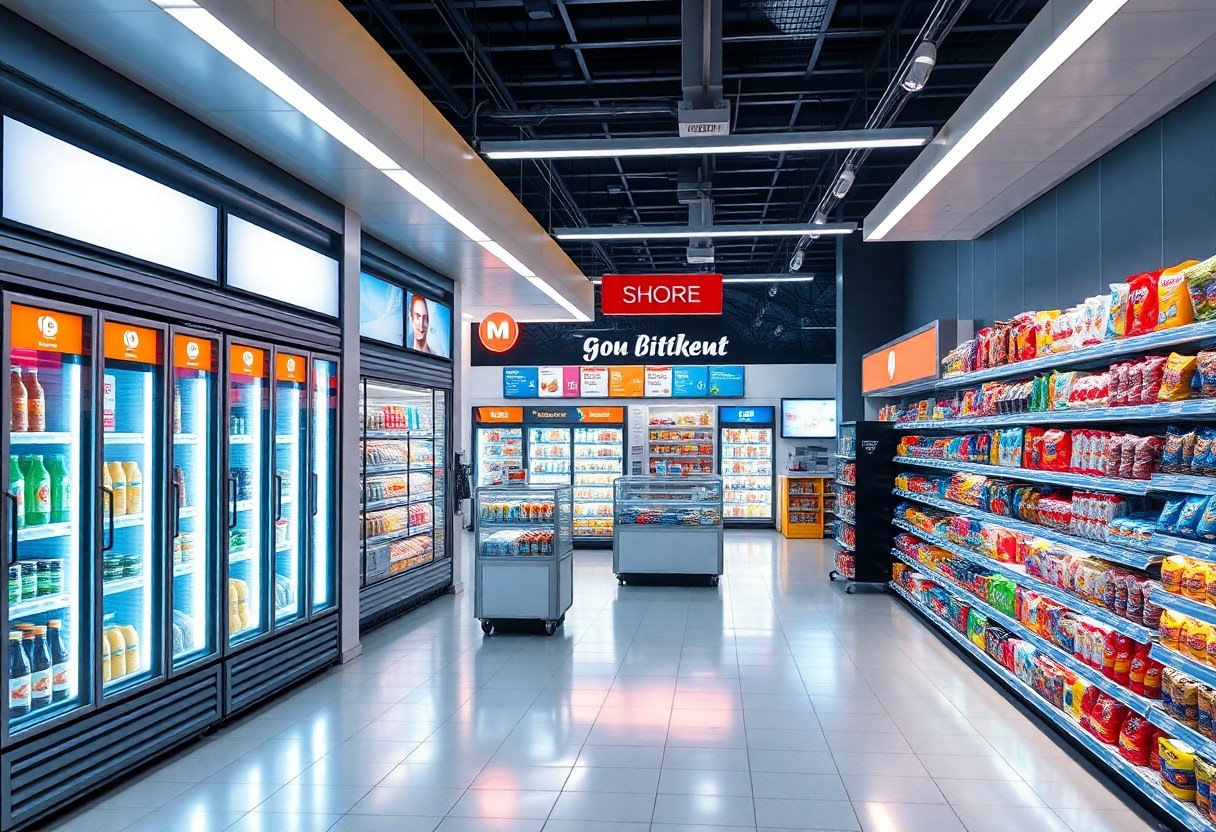
In a modern convenience store, placing high-demand items at optimal locations maximizes customer flow. Items such as bottled water, snacks, and cigarettes should be positioned near the entrance to capture immediate attention. This not only increases visibility but also encourages customers to grab these imperatives as they enter. A study shows that placing 30% of top-selling items near the front can lead to a 15% increase in sales overall.
Consider using eye-level shelving for these products, as shoppers are most likely to grab items they can easily see. Placing complementary high-demand items together, such as chips next to salsa, can further enhance the shopping experience, making it convenient for customers to find what they need without searching extensively.
Impulse Buy Strategies
To optimize sales, integrate impulse buy strategies throughout your store layout. Positioning smaller, affordable items like candies and magazines near the checkout counter can lead to last-minute purchases. Research suggests that around 70% of consumers make unplanned purchases while waiting in line, so take advantage of this behavior by offering attractive deals on these items.
Utilize point-of-sale displays to highlight limited-time special offers. Bright colors and engaging signage can attract attention, encouraging customers to add these items to their carts. Also, consider using several small display units at strategic points throughout the store to catch shoppers’ eyes and stimulate spontaneous buying decisions.
Implementing seasonal or themed promotions on impulse items can elevate their appeal. For instance, around holidays, featuring themed candies or novelty items can enhance the overall festive atmosphere, driving engagement and selling products that typically enjoy higher demand during these times.
Use of Cross Merchandising
Effective cross merchandising can enhance the shopping experience by encouraging customers to purchase items that complement each other. Place products such as chips near salsas or sandwiches alongside drink options. This strategy not only increases the average basket size but also improves customer satisfaction by providing a one-stop shopping experience.
Aligning items by creating thematic displays can catch customers’ interest. For instance, a ‘movie night’ display featuring popcorn, soft drinks, and candy can entice families to purchase everything they need for an enjoyable evening. Incorporating lifestyle themes can yield significant increases in sales as customers perceive greater value in purchasing complementary items together.
Creating visual connections between products helps you capture customer attention and fosters a shopping mindset that encourages trying new combinations. Consider the seasonal aspect as well; pairing summer grilling imperatives with beverages can cater to shopping behaviors during warmer months.
Seasonal and Promotional Displays
Seasonal and promotional displays offer an effective means to influence buying patterns. By strategically placing seasonal items near high-traffic areas, you can boost sales significantly during peak times like holidays and summer seasons. Think about how placing items like sunscreen, beach towels, and cold beverages together during summer can draw in customers planning their getaways.
Using signage that emphasizes discounts or limited-time offers will create a sense of urgency, prompting customers to purchase items they may not have originally considered. Setting up dedicated displays for events, such as the Super Bowl or Christmas, ensures your store remains relevant to customers and their needs throughout the year.
Incorporating eye-catching graphics or themed decorations can further enhance the seasonal displays’ effectiveness, transforming a simple shopping trip into an engaging experience that captures customers’ attention and drives sales.
Technology Integration
Smart Shelving and Inventory Management
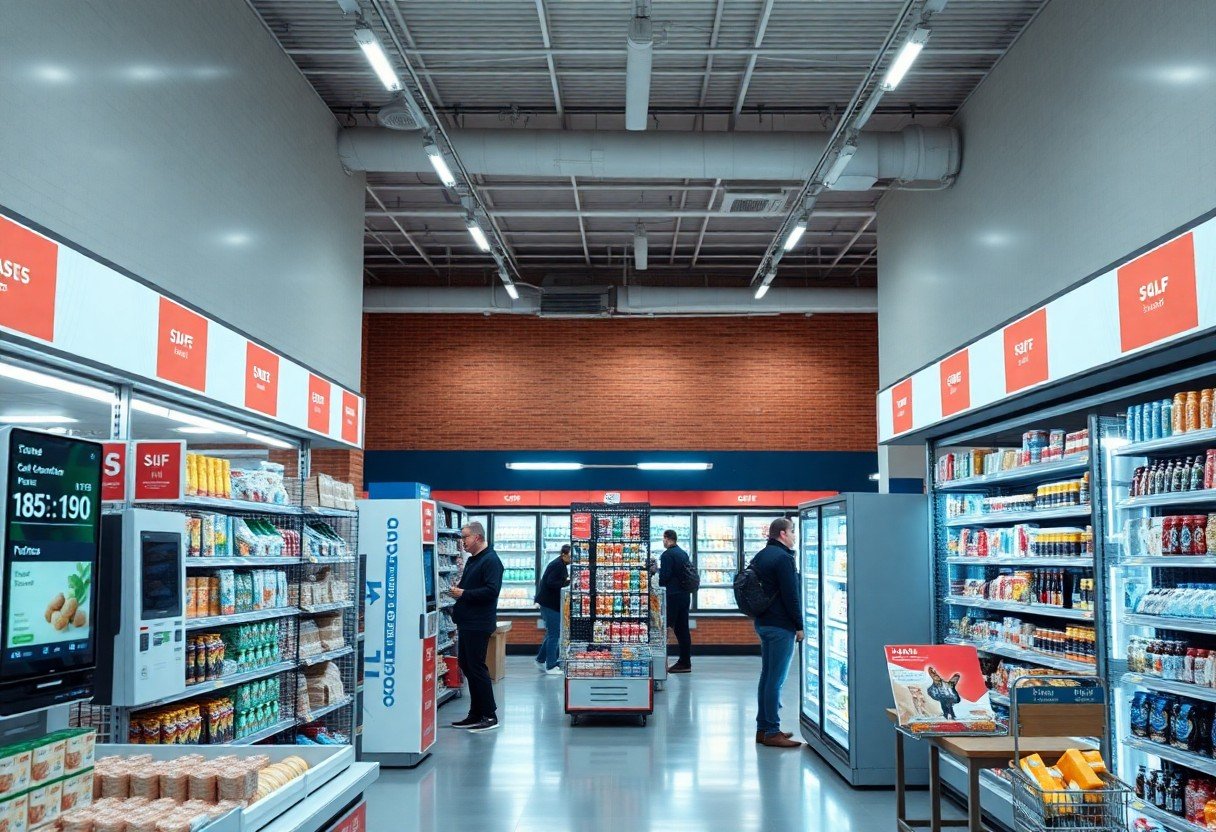
Integrating smart shelving in your convenience store can significantly optimize inventory management. These shelves can use sensors and RFID technology to track product levels in real-time, alerting you when stocks run low. This proactive approach not only reduces the risk of out-of-stock situations but also helps you streamline restocking schedules and improve overall operational efficiency.
Additionally, smart shelving can provide valuable insights into product performance. By analyzing which items sell quickly and which linger, you can make informed decisions about product placement and promotions. This data-driven strategy leads to better inventory turnover and increased sales.
Mobile Payment Solutions
Implementing mobile payment solutions offers your customers a faster and more convenient checkout experience. With options like Apple Pay, Google Wallet, and dedicated store apps, you cater to the growing number of tech-savvy shoppers who prefer cashless transactions. Research indicates that stores with mobile payment options see a rise in customer satisfaction, leading to increased loyalty and repeat visits.
Furthermore, these systems can enhance security for both you and your customers, as they reduce the handling of cash and limit exposure to potential theft. This integration is vital for modern convenience stores aiming to attract a wider customer base.
Additionally, mobile payment solutions help you gather valuable data on purchasing habits, enabling targeted marketing strategies. By analyzing transaction data, you can offer personalized promotions, enhancing customer engagement and satisfaction.
Customer Engagement Tools (Apps, Loyalty Programs)
Utilizing customer engagement tools, such as mobile apps and loyalty programs, can significantly enhance the shopping experience in your convenience store. Apps can provide personalized promotions, track purchase history, and offer rewards based on customer spending patterns. By leveraging these tools, you create a more tailored shopping experience that can foster brand loyalty.
Loyalty programs encourage repeat business by rewarding customers for their purchases, which can lead to increased frequency of visits. For example, offering points for every dollar spent can encourage customers to choose your store over competitors, transforming one-time shoppers into regular patrons.
These programs also allow for better communication with your customers, sending targeted messages about special offers or new products, thereby enhancing customer retention and boosting sales.
Implementing Self-Checkout Systems
Introducing self-checkout systems can be a game-changer in optimizing your store’s customer flow. These systems give customers the autonomy to scan, bag, and pay for their purchases without needing a cashier, which can significantly reduce wait times and enhance the shopping experience. Many stores that have adopted self-checkout report increased customer satisfaction due to the speed and efficiency of this service.
Additionally, self-checkout systems can free up your staff, allowing them to focus on maintaining product displays and assisting customers with questions or product selections. This not only improves operational efficiency but also enhances customer service quality.
Moreover, implementing self-checkout systems can lead to reduced labor costs over time, as fewer cashiers may be needed to manage transactions, allowing you to allocate resources to other critical areas of your store.
Enhancing Customer Experience
Atmosphere and Ambience
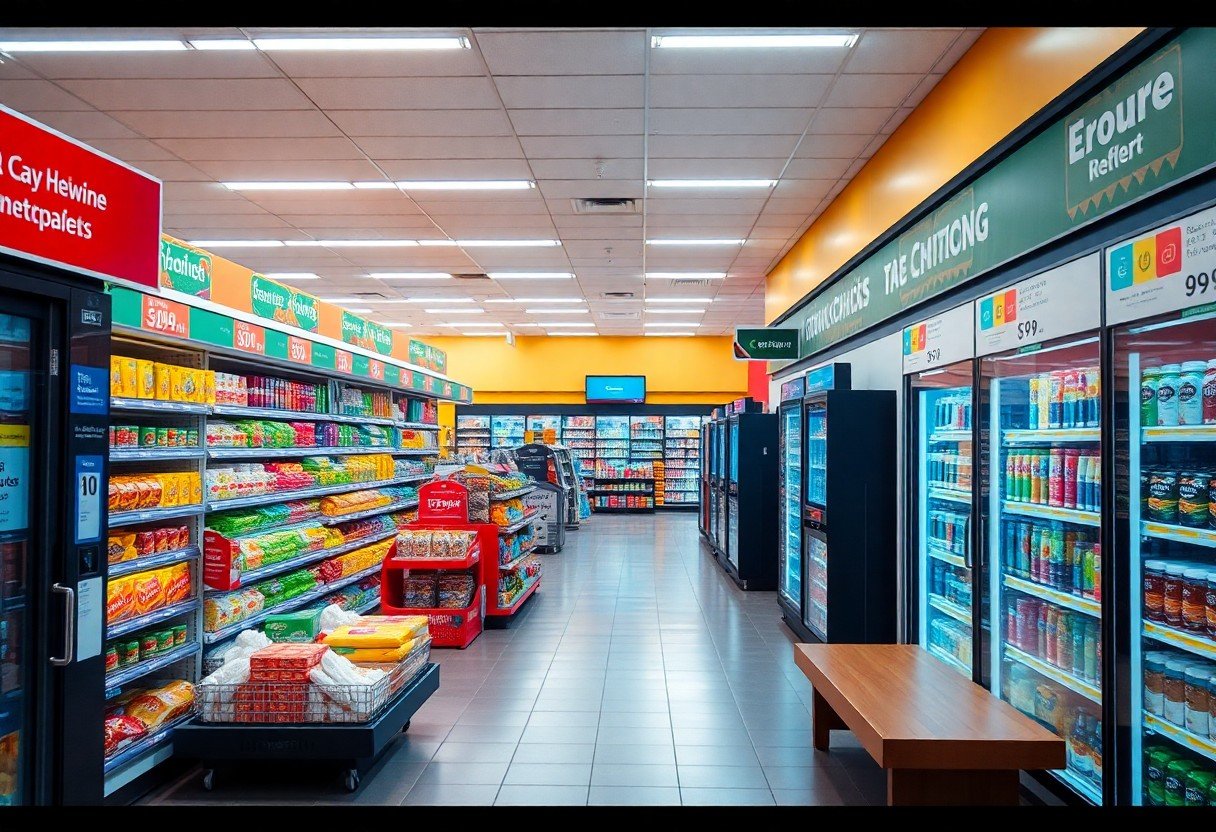
The atmosphere in your modern convenience store significantly impacts customer experience. You want your store to be inviting and comfortable, encouraging customers to spend more time browsing. Consider incorporating elements such as modern lighting, vibrant colors, and aesthetically pleasing displays. A consistent theme throughout the store can create a unified shopping experience, making customers feel at ease and happy while they shop.
Music and scent also play vital roles in crafting an enjoyable ambience. Play background music that is pleasant but unobtrusive, and consider incorporating scent marketing. For instance, the aroma of fresh coffee or baked goods can entice customers to linger and purchase items they might not have initially considered.
Staff Training and Customer Service
Your staff is a core component of the customer experience, and investing in their training pays dividends. Ensure your employees are well-versed in product knowledge and equipped to assist customers effectively. Facilitate ongoing training sessions that emphasize customer engagement techniques, conflict resolution, and efficient checkout procedures to keep wait times low and satisfaction high.
A friendly, knowledgeable team directly influences customer perceptions of your store. When your staff greets customers with a smile and offers assistance promptly, it fosters a welcoming atmosphere that encourages repeat visits. Consider implementing a feedback system for customers to express their satisfaction with staff interactions, allowing you to continually improve service quality.
Cleanliness and Maintenance
Cleanliness speaks volumes about your store’s commitment to quality. A well-maintained, tidy environment not only enhances safety but also boosts customer confidence in the products you offer. Regular cleaning schedules and diligent maintenance checks ensure that your store remains inviting and minimizes the risk of accidents or complaints stemming from disarray.
Implementing visible cleanliness standards, such as organized shelves and regularly sanitized high-touch areas, can elevate the shopping experience. Customers are far more likely to return to a store that feels secure and well-cared-for, reinforcing their positive impression of your brand.
Accessibility Considerations
Ensuring that your convenience store is accessible to all customers is not just a legal requirement but also enhances the overall experience. You should aim to have wheelchair ramps, wide aisles, and clear signage to accommodate individuals with disabilities. By prioritizing accessibility, you make everyone feel welcome, which can broaden your customer base and encourage loyalty.
Consider incorporating features like automatic doors and designated parking spaces for the disabled to further promote inclusivity. Moreover, providing staff training focused on assisting customers with special needs can greatly enhance their shopping experience, ultimately reinforcing your store’s reputation as a community-friendly establishment.
Marketing and Communication
In-Store Signage and Navigation Aids
Your store’s signage plays an imperative role in guiding customers through the space. Effective in-store signage not only provides directions but also communicates promotions and product locations. Use clear, large fonts and intuitive icons to ensure visibility and comprehension from varied distances. Implement digital screens to showcase dynamic content, such as featured products or ongoing deals, enhancing customer engagement and reducing perceived wait times.
Navigation aids, including floor maps or QR codes that link to product locators, can enhance the shopping experience. These tools minimize frustration and speed up decision-making, leading to quicker checkouts. A well-designed navigation system allows customers to focus on their needs, enabling them to spend less time searching and more time enjoying their shopping experience.
Promotions and Marketing Strategies
Utilizing targeted promotions is vital for driving foot traffic and increasing sales. Develop marketing strategies that align closely with your customer demographics and preferences. For instance, offer time-sensitive discounts on popular items during peak hours or create bundle offers that encourage customers to purchase multiple items at once. This approach not only increases the average transaction value but also fosters a sense of urgency among shoppers.
Additionally, leveraging social media platforms to announce these promotions can amplify your reach. Create visually appealing campaigns that encourage sharing, and incorporate local events or holidays to connect more deeply with your community. A case study revealed that stores with active social media promotions saw a 25% increase in foot traffic compared to those that did not engage online.
Promotions should also include loyalty programs that reward repeat customers. Consider offering a point-based system where customers gain rewards for every purchase, directly translating to future discounts or free products that keep them coming back.
Community Engagement and Brand Loyalty
Your relationship with the local community greatly influences customer loyalty. Engage with customers through events, sponsorships, or partnerships with local businesses to foster a sense of belonging and trust. Initiatives like community events, health fairs, or local charity drives not only enhance your store’s visibility but also create emotional connections with consumers. The positive outreach reflects well on your brand, encouraging customers to choose you over competitors.
Moreover, implementing local products into your inventory can strengthen these ties. By showcasing local artisans or food producers, you foster goodwill and capture the interest of customers who prioritize supporting hometown enterprises. This deepens loyalty and turns occasional visitors into regular patrons.
Feedback Mechanisms for Continuous Improvement
Establishing feedback mechanisms is imperative for ongoing improvement. Create multiple channels for customers to share their experiences, whether through surveys at the register, suggestion boxes, or online platforms. Analyzing this feedback can reveal trends and areas needing enhancement, directly informing your operational decisions.
Implementing regular assessment of customer feedback will keep you aligned with their evolving preferences and expectations, leading to a more tailored shopping experience. For example, a store that revamped its product range based on customer input reported a 30% increase in sales within three months.
Encouraging open communication allows you to address concerns promptly and shows your commitment to customer satisfaction, reinforcing loyalty and brand reputation.
To wrap up
So, as you design your modern convenience store, focus on optimizing every aspect that influences customer flow. Consider the layout, signage, and product placements to create a seamless shopping experience. By analyzing customer traffic patterns and engagement points, you can strategically position high-demand items to draw people deeper into the store while minimizing potential bottlenecks.
Your approach should involve ongoing assessment and adaptation based on customer feedback and sales data. By continually evolving your design to meet the changing preferences and behaviors of your shoppers, you enhance their overall experience and encourage return visits. Ultimately, a well-designed convenience store not only maximizes customer flow but also increases overall profitability and brand loyalty.