


Oil and gas companies now have a powerful new tool to fight methane emissions, one of the most urgent climate challenges facing the industry. A groundbreaking step-by-step guide is set to transform how operators respond to methane leaks detected from space, making rapid action faster and more effective than ever before.
What Happened
The Oil and Gas Climate Initiative (OGCI) has unveiled a first-of-its-kind playbook designed to help operators tackle methane emissions with unprecedented speed and precision. The new guide provides a clear, six-step framework that walks companies through the entire process—from receiving satellite notifications of methane leaks to on-the-ground investigation, repair, and continuous improvement.
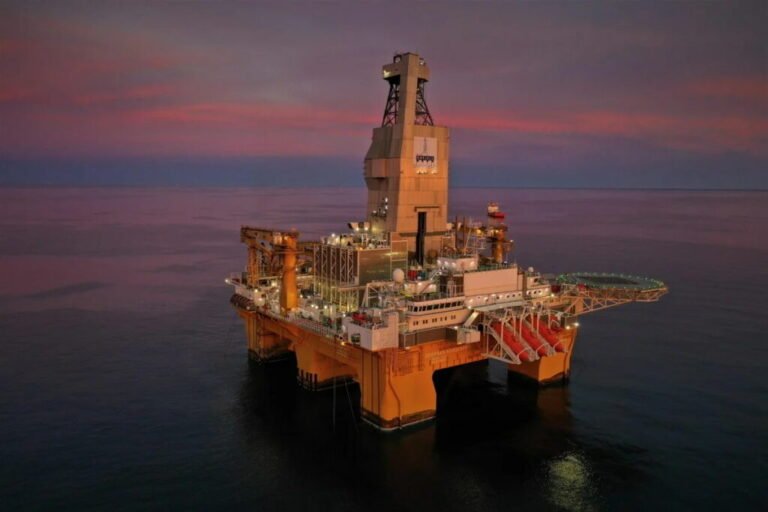
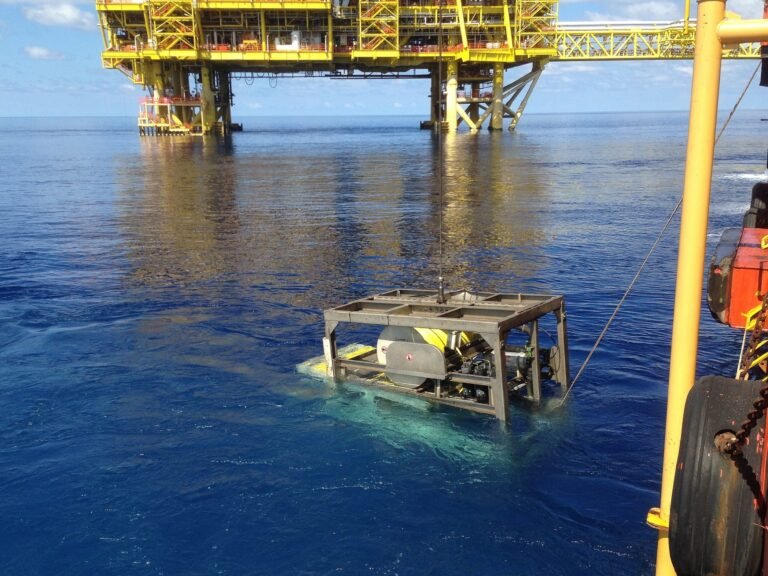
This playbook is the result of a decade of industry experience, combining practical field knowledge with the latest technological advances. It was developed in collaboration with leading emission data experts and is built to work across diverse operating environments, from remote fields to complex offshore platforms.
Why It Matters
Methane is a potent greenhouse gas, responsible for a significant share of global warming. Rapid detection and response are critical to minimizing its climate impact. The new playbook ensures that satellite data is not just collected, but acted upon swiftly and systematically.
Industry Progress
Since 2017, OGCI member companies have reduced their aggregate upstream methane intensity by 62%, routine flaring by 72%, and carbon intensity by 24%. These achievements demonstrate that targeted action can deliver real results, and the new guide is designed to accelerate progress across the entire sector.
The playbook is a game-changer because it turns data into decisive action, closing the gap between detection and abatement.
Key Details
The guide is structured to be accessible and actionable, offering clear instructions for every stage of the response process. It covers everything from initial notification and verification to repair and ongoing improvement, ensuring that operators can respond quickly and efficiently to any methane leak.
Global Impact
OGCI’s Satellite Monitoring Campaign has already provided emissions data and technical support to operators in countries such as Iraq, Kazakhstan, Algeria, and Egypt. The new playbook builds on this work, helping local teams translate satellite insights into real-world solutions.
The initiative is part of a broader push to achieve near-zero methane emissions from operated assets by 2030, a goal that is now within reach for many companies.
OGCI and its members are also sharing best practices and lessons learned across the industry, helping to drive faster and more widespread emissions reductions. The playbook is just one part of a larger ecosystem of tools and resources aimed at improving methane management worldwide.
What Comes Next
The launch of the playbook marks a new phase in the industry’s efforts to combat methane emissions. As measurement technologies continue to evolve, the playbook will be updated to reflect the latest advances, ensuring that operators always have access to the most effective tools and strategies.
With this new guide, the oil and gas industry is better equipped than ever to respond to methane leaks, protect the environment, and meet ambitious climate targets. The future of methane management is here, and it’s built on speed, precision, and collaboration.