


The oil and gas industry is undergoing a quiet revolution, with advanced composite materials rapidly replacing traditional metals in critical infrastructure. As demand for efficiency and durability surges, the global market for oil and gas composites is set to explode—projected to hit $3.99 billion by 2032.
What’s Driving the Surge
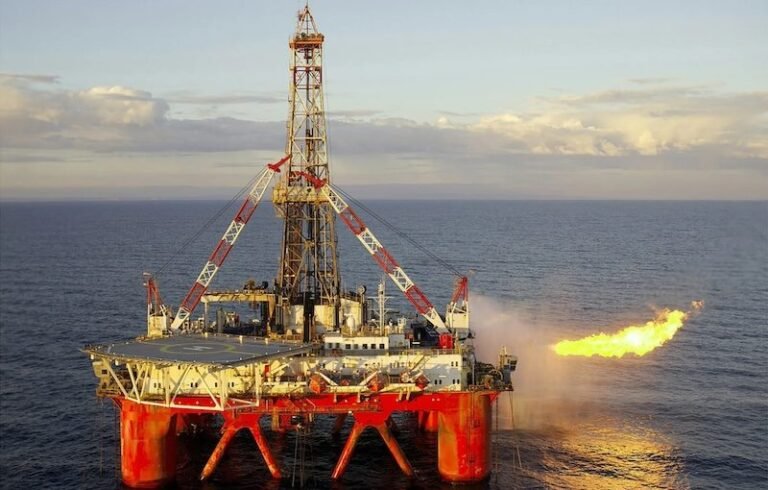
The shift toward composites is fueled by the urgent need for lightweight, corrosion-resistant solutions in oil and gas operations. With offshore exploration and hydraulic fracturing on the rise, companies are turning to composites to cut costs and boost reliability.
Lightweight, Tough, and Cost-Effective
- Composites offer a superior strength-to-weight ratio, slashing transportation and installation expenses.
- They excel in harsh environments, resisting chemicals, high pressures, and extreme temperatures better than steel or aluminum.
- Longer equipment life and lower maintenance costs are major selling points for operators.
These benefits are especially valuable for pipes, risers, and offshore structures, where every pound saved translates to faster deployment and reduced operational risk.
Market Leaders and Innovations
Major players like Magma Structures, GE Oil and Gas, and Airborne Oil & Gas are at the forefront of this transformation. Their innovations are redefining what’s possible in subsea and onshore applications.
Game-Changing Composite Pipes
Companies such as Magma Global have developed advanced carbon fiber composite pipes that are lighter, stronger, and more flexible than traditional options. These pipes are now being deployed as flowlines, jumpers, and risers by major operators worldwide, delivering installed cost savings of up to 65%.
Partnerships between leading material suppliers and engineering firms are accelerating the adoption of thermoplastic composite pipes (TCP), which are easier to transport, install, and maintain than steel.
Why It Matters for the Industry
The move to composites is not just about cost savings—it’s about enabling new possibilities in deepwater and challenging environments. As oil and gas operations push into deeper waters and more corrosive conditions, the limitations of traditional metals become increasingly apparent.
Environmental and Regulatory Push
- Stricter environmental regulations are pushing companies to adopt materials that minimize corrosion and reduce the risk of leaks.
- Composites help operators meet these standards while also improving safety and reducing downtime.
With aging infrastructure and a growing focus on unconventional energy sources, the demand for advanced composites is only set to accelerate.
What Comes Next
The oil and gas composites market is poised for sustained growth, with new technologies and partnerships driving innovation. As the industry continues to prioritize efficiency, safety, and sustainability, composites will play an increasingly central role in shaping the future of energy infrastructure.
Operators and suppliers alike are investing heavily in research and development, ensuring that the next generation of composite solutions will be even more robust, versatile, and cost-effective.
The rise of oil and gas composites marks a pivotal shift in the industry—one that promises to deliver lasting benefits for operators, the environment, and the global energy landscape.