

Hearing begins on oil and gas bonding rules aimed at making ‘polluters’ pay in New Mexico. This development marks a crucial step in addressing the long-standing issue of abandoned oil and gas wells in the state, which has significant environmental and financial implications. The proposed reforms aim to ensure that operators are held financially accountable for the cleanup of their wells, protecting both the environment and the public from the costs of neglect.
## The Core of the Issue
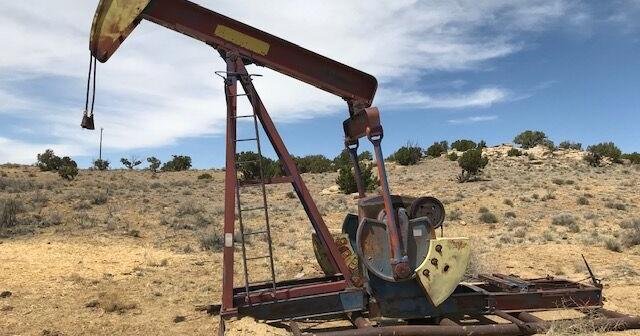
The issue of oil and gas bonding in New Mexico centers around the financial responsibility of operators for the cleanup of wells after they are no longer in use. Current laws allow operators to set aside minimal funds for this purpose, often leaving the state and its communities to bear the costs of well abandonment and cleanup. With thousands of wells needing attention, the financial burden is substantial, and the environmental risks are significant.
### A Deeper Analysis
At the heart of the problem is the disparity between the current bonding requirements and the actual costs of well cleanup. While operators are required to provide some level of financial assurance, these amounts often fall short of covering the full expenses associated with plugging and abandoning wells. This shortfall can lead to a situation where wells are left unattended, posing environmental risks such as contamination of groundwater and soil. The proposed bonding reforms seek to address this gap by increasing the financial obligations of operators, ensuring that they cover the full costs of well cleanup and abandonment.
## The Proposed Reforms
The hearings on oil and gas bonding rules are part of a broader effort to reform the regulatory framework governing the industry in New Mexico. Key proposals include increasing the bonding amounts for wells, requiring operators to ensure that a significant portion of their wells are active, and limiting the period for which wells can be left in temporary abandonment. These changes are designed to encourage responsible practices within the industry and to prevent operators from leaving behind environmental liabilities without adequate financial provisions.
### Public Engagement and Advocacy
The public and advocacy groups are playing a crucial role in shaping these reforms. Through public hearings and campaigns, stakeholders are emphasizing the need for stronger bonding rules to ensure that operators are financially accountable for their actions. This collective effort underscores the importance of community involvement in environmental policy-making and highlights the shared responsibility for protecting New Mexico’s natural resources.
## Implications and Future Directions
The outcome of these hearings could have far-reaching implications for New Mexico’s environmental policy and the oil and gas industry. If the proposed reforms are implemented, they would mark a significant shift towards greater accountability and sustainability within the sector. However, the path forward will likely involve ongoing dialogue between stakeholders, regulatory bodies, and industry leaders to ensure that any new rules are effective and equitable.
In conclusion, the recent hearings on oil and gas bonding rules in New Mexico represent a pivotal moment in the state’s efforts to address the environmental and financial challenges posed by abandoned wells. As the state seeks to ensure that operators are held accountable for their actions, it is clear that reform is both necessary and urgent. Ultimately, the success of these reforms will depend on the collective efforts of policymakers, industry leaders, and the public to create a more sustainable and responsible oil and gas sector.