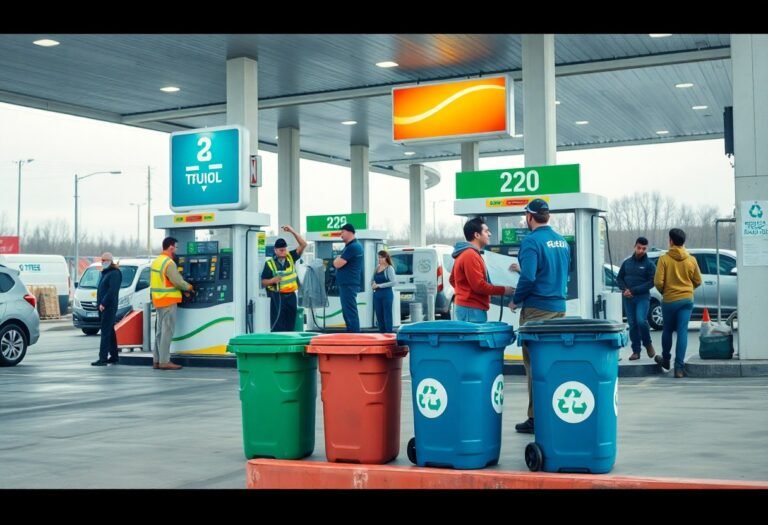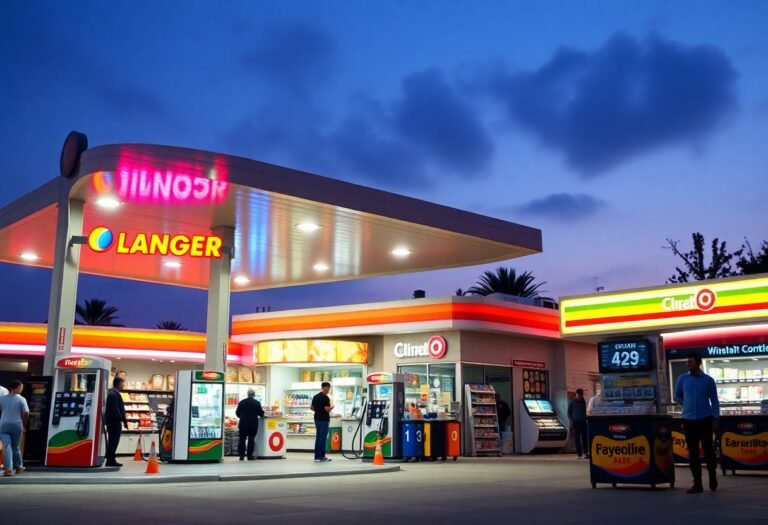



Safety is your top priority when managing fuel station operations. By implementing effective training programs for your employees, you minimize the risk of accidents and enhance customer safety. Regularly inspect equipment and maintain compliance with regulations to ensure a secure environment. Adopting emergency response protocols and promoting a safety-first culture among your staff not only protects lives but also builds trust with your customers. Emphasizing these best practices will create a safer fuel station while improving overall operational efficiency.
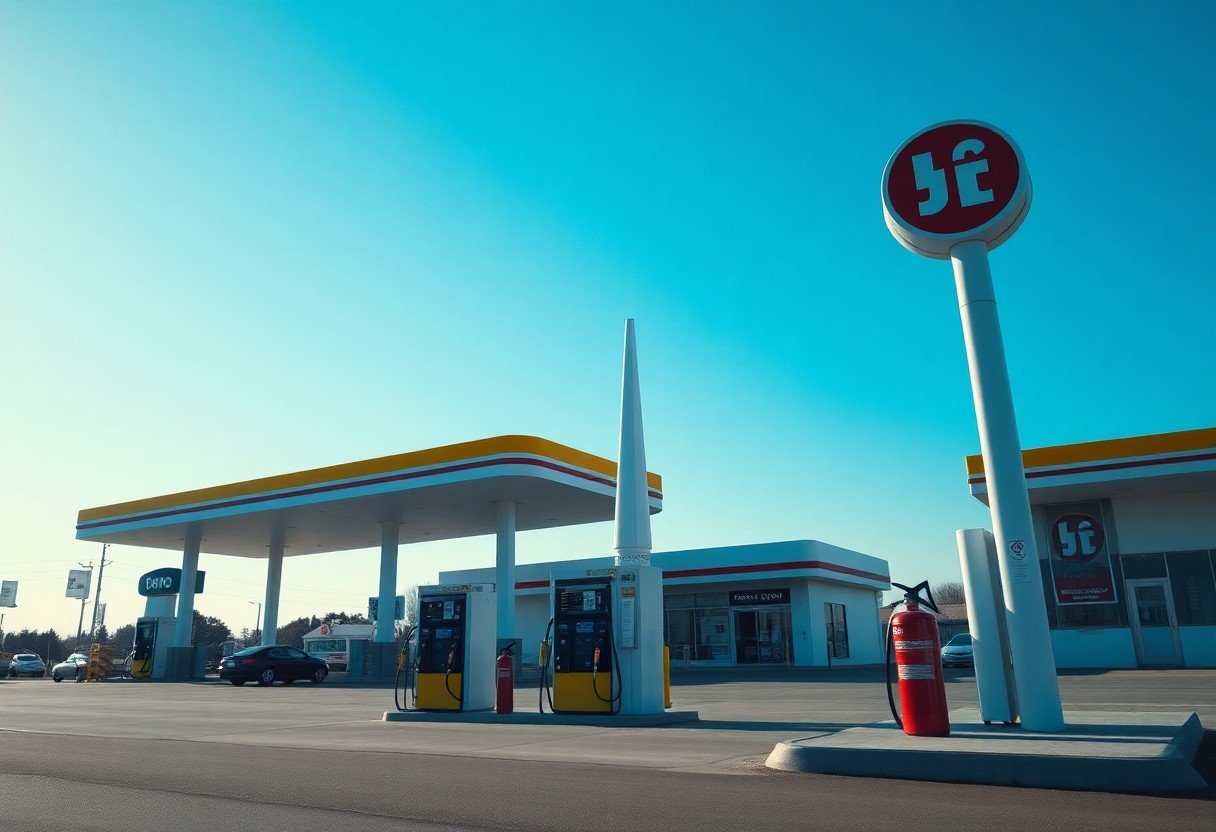
Understanding Fuel Station Operations
Overview of Fuel Station Functions
Your fuel station serves multiple functions beyond dispensing fuel. It offers convenience items, ensures vehicle servicing, and provides a reliable space for customers. Managing these diverse functions seamlessly is crucial for maintaining customer satisfaction and operational efficiency.
Components of Fuel Station Infrastructure
The infrastructure of your fuel station includes storage tanks, fuel dispensers, and safety equipment. Each component must be integrated effectively to facilitate smooth operations while adhering to safety regulations.
Among the key components, storage tanks hold the various fuel types, while dispensers facilitate the actual refueling process. Safety equipment, such as spill containment systems and fire extinguishers, is vital to mitigate risks associated with storing and dispensing flammable materials. Maintaining these components with routine inspections and adhering to safety protocols is crucial to ensure compliance and protect your employees and customers.
Key Roles and Responsibilities in Fuel Operations
Operating a fuel station requires a well-defined structure of roles and responsibilities. This includes managers, fuel attendants, and maintenance personnel, each playing a vital part in daily operations.
The manager oversees overall operations, ensuring compliance with regulations and customer service standards. Fuel attendants are responsible for engaging with customers, managing transactions, and monitoring fuel levels. Maintenance personnel ensure that equipment remains functional and safe, conducting regular inspections and repairs. Each role is interdependent, contributing to a well-oiled operation that prioritizes safety and efficiency in your fuel station business.
Safety Regulations and Compliance
Federal and State Regulations
You must adhere to federal and state regulations that govern fuel station operations to ensure safety and environmental protection. Key regulations include the Environmental Protection Agency (EPA) guidelines, which set standards for fuel storage and leak prevention, as well as Occupational Safety and Health Administration (OSHA) requirements regarding employee safety and hazardous materials. These regulations are in place to minimize risks and protect both your employees and customers.
Importance of Compliance Training
Compliance training is vital for your team, ensuring that all staff members understand safety protocols and regulatory requirements. This training fosters a culture of safety and empowers employees to recognize and respond to potential hazards effectively.
Your employees should participate in regular compliance training sessions that cover the latest regulations and operational procedures. Incorporating real-life scenarios and hands-on training enhances their understanding and retention. Moreover, well-informed employees are more likely to identify safety issues before they escalate, promoting an overall safer environment at your fuel station.
Regular Safety Audits and Assessments
Conducting regular safety audits and assessments is necessary for maintaining high safety standards at your fuel station. These assessments help you identify potential hazards, ensure compliance with regulations, and implement any necessary improvements.
Scheduling periodic audits not only helps you stay compliant but also establishes a proactive approach to safety. By assessing site conditions, equipment functionality, and employee practices, you can pinpoint specific areas that require attention. For instance, tracking incident reports over time allows you to uncover patterns and mitigate risks before they result in accidents or costly fines. Regular audits demonstrate a commitment to safety leadership, instilling confidence in your staff and customers alike.
Risk Management in Fuel Stations
Identifying Potential Hazards
In your fuel station, potential hazards include flammable materials, equipment malfunctions, and vehicle collisions. Regularly inspect storage tanks, pipelines, and dispensing systems for leaks or deterioration. Employee training on recognizing hazardous conditions is imperative; encourage staff to report unsafe situations immediately. Consider environmental factors such as weather influences that might contribute to risks on-site.
Risk Assessment Strategies
Employ comprehensive risk assessment strategies to evaluate each hazard’s likelihood and potential impact. Use a combination of qualitative and quantitative methods, such as checklists and risk matrices, to prioritize hazards effectively. Regularly update your assessments to account for changes in operations or regulations.
Consider conducting frequent safety audits and engaging employees in discussions to uncover new risks. Utilize software tools that analyze past incidents and provide predictive insights into potential future hazards. This approach enables you to make informed decisions and effectively allocate resources to mitigate identified risks, ensuring a safer operational environment.
Implementing Control Measures
Implementing effective control measures is key to minimizing risks in your fuel station. Identify specific interventions tailored to each hazard, such as installing spill containment systems, employing automatic shut-off valves, and using proper signage to guide customer behavior.
Regular training for employees on new procedures and safety protocols is crucial. Establish a maintenance schedule for safety equipment, ensuring it functions correctly when needed. By fostering a culture of safety awareness and compliance, you can significantly reduce the likelihood of accidents, protecting both your staff and your customers while enhancing overall operational efficiency.
Emergency Response Plans
Creating an Emergency Action Plan
Your emergency action plan (EAP) must outline procedures for various scenarios, including spills, fires, and medical emergencies. Clearly define roles and responsibilities for staff during an incident, ensuring that all employees are aware of their tasks. Regularly review and update the plan to incorporate new information or changes in operations, ensuring compliance with OSHA standards and local regulations.
Safety Drills and Training for Employees
Consistent safety drills are important to prepare your employees for emergencies. These drills should simulate real-life situations, such as fuel spills or fires, to ensure that staff can respond without hesitation. Consider holding these drills quarterly to keep safety protocols fresh in their minds, assessing their performance after each exercise to address any areas needing improvement.
Safety drills not only familiarize your team with emergency procedures but also help pinpoint weaknesses in your response system. For instance, if employees struggle to follow evacuation routes during a drill, you can adjust training or signage. Engaging employees in scenario-based training fosters confidence, making them more efficient during actual emergencies.
Communication Protocols During Emergencies
Establishing effective communication protocols is vital for managing emergencies efficiently. Ensure all employees are trained on communication tools and strategies, such as radio systems or emergency notifications, providing clear instructions and updates during a crisis. Your communication plan should include contact lists and established hierarchies to avoid confusion.
In your communication protocols, incorporate multiple channels to disseminate information rapidly. For example, using text messaging and intercom announcements can help reach all staff promptly. Additionally, consider designating a spokesperson to manage external communications with emergency services and the media, mitigating misinformation and maintaining control during the incident.
Staff Training and Development
Importance of Safety Training Programs
Your employees are the first line of defense in ensuring safety at fuel stations. Implementing comprehensive safety training programs not only enhances their awareness of potential hazards but also fosters a culture of safety. Well-trained staff can recognize and respond effectively to emergencies, reduce workplace accidents, and ultimately protect both themselves and your customers.
Regular Workshops and Refresher Courses
Conducting regular workshops and refresher courses is vital for keeping safety knowledge current and effective. Frequent training sessions ensure that staff remain aware of the latest safety practices and response protocols, adapting to any changes within regulations or technology.
For instance, consider scheduling quarterly workshops that cover updated safety procedures and provide hands-on practice with new equipment. Tailoring these sessions to include real-life scenarios engages employees and reinforces their training, ensuring they are prepared for any situation they may encounter on the job.
Certification and Licensing for Fuel Handling
Holding the appropriate certifications and licenses for fuel handling is imperative for your employees. These credentials not only comply with legal regulations but also verify their expertise in managing fuel systems safely.
Investing in certification programs for your staff not only aligns with industry standards but also enhances operational safety. For example, certifications for hazardous materials handling or CPR training equip employees with imperative skills, illustrating your commitment to their safety and the safe operation of the station. This proactive approach minimizes risks and reinforces the importance of proper fuel management practices among your team.
Fuel Handling Best Practices
Safe Storage Procedures
Ensure your fuel storage tanks are well-ventilated and located away from ignitable materials. Regular inspections should be performed to check for leaks or corrosion. Keep all storage areas organized, and use clearly marked labels to identify different fuel types. Implementing automated monitoring systems can enhance safety by providing real-time data on fuel levels and potential issues.
Proper Refueling Techniques
When refueling, it’s imperative to use anti-static grounding techniques to prevent static electricity. Always hold the nozzle firmly and avoid overfilling to minimize spills. Additionally, maintain a safe distance from the fuel source while completing the process to reduce risks associated with flammable vapors.
Using properly designed nozzles equipped with automatic shutoff features can significantly lower the chances of overfilling. Training staff on the importance of maintaining a stable stance while refueling can prevent accidents. Always have a spill kit readily accessible near fueling stations to address any accidental releases swiftly.
Spill Prevention and Response
Train your staff in the correct procedures for preventing spills, including regularly checking equipment for wear and tear. Implementing secondary containment systems can capture any leaks automatically, providing an additional line of defense in case of spills.
Having a robust spill response plan is not just regulatory compliance but also imperative for minimizing environmental impact. Equip your station with spill kits, and conduct regular training drills to ensure your team knows how to act swiftly and efficiently in the event of a leak or spill. Note, prompt action can heavily mitigate potential damage to both the environment and your business reputation.
Summing Up
Ultimately, prioritizing safety in modern fuel station operations not only protects your customers and employees but also enhances your reputation and efficiency. By implementing best practices such as regular safety training, proper signage, and adherence to regulatory requirements, you create a secure environment that fosters trust and loyalty. Staying informed about the latest safety technologies and protocols will further ensure that your operations run smoothly and safely, enabling you to focus on serving your community effectively.