

Meeting the demands of the oil & gas industry
As the world continues to grapple with energy security and sustainability, the oil and gas industry is at the forefront of these challenges. The sector is not only crucial for meeting global energy demands but also faces significant pressures to innovate and adapt to evolving environmental policies. In 2025, the industry is poised for strategic growth, driven by advances in technology, shifting energy policies, and a focus on sustainability.
Industry Trends and Challenges
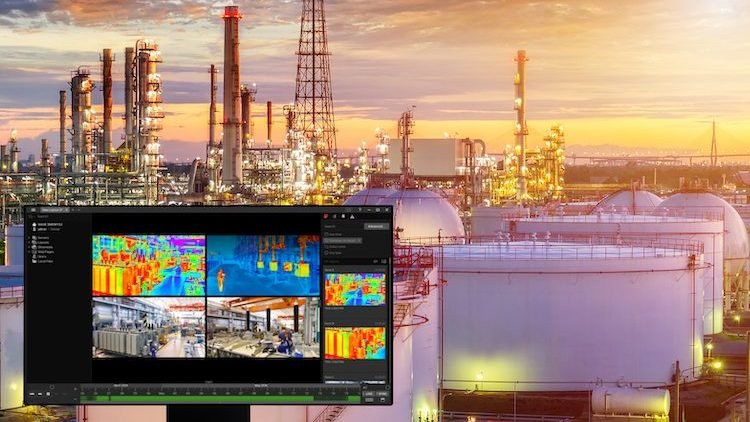
The current landscape of the oil and gas industry is characterized by a mix of challenges and opportunities. Companies are investing heavily in digital transformation, leveraging technologies like artificial intelligence and IoT to enhance operational efficiency and reduce downtime. However, these advancements must be balanced with increasing demands for environmental sustainability, as consumers and governments push for cleaner energy solutions.
Technological Advancements
Technological innovation is a key driver for the oil and gas industry. Advances in data analytics and automation are optimizing production processes, while digital twins and cloud-based platforms are enhancing decision-making capabilities. Additionally, low-carbon technologies are gaining traction, helping companies meet ESG requirements and align with regulatory expectations.
Sustainability and Environmental Concerns
Sustainability is a critical factor shaping the future of the oil and gas sector. Companies are integrating ESG frameworks into their business models, focusing on reducing carbon footprints and improving energy efficiency. This shift is driven by consumer demand and regulatory pressures, forcing the industry to evolve beyond traditional fossil fuels towards cleaner energy sources.
Global Production and Demand
Global oil demand is expected to remain robust, with projections suggesting it will reach 105 million barrels per day by 2050. The Permian Basin in the U.S. continues to be a major hub for oil production, contributing significantly to global supply. However, maintaining production levels requires sustained investment in new fields and technologies to counter natural decline rates.
Future Outlook and Implications
As the oil and gas industry navigates these complex challenges and opportunities, its future will be shaped by strategic investments in technology, sustainability, and efficient operations. The ability to adapt to changing global energy landscapes and stakeholder expectations will determine which companies thrive in this evolving market. Ultimately, the industry must balance immediate energy needs with long-term sustainability goals to ensure a resilient and responsible energy future.