

“`html
Japan stands firm on maintaining Russian oil and gas imports despite mounting international pressure. With energy security hanging in the balance, Tokyo faces a complex dilemma: cutting ties with Moscow could disrupt vital supplies, while continuing may strain diplomatic relations.
What Happened
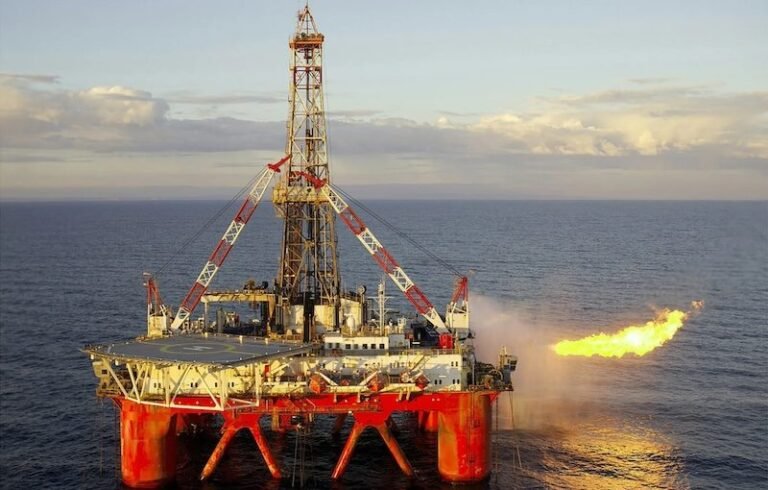
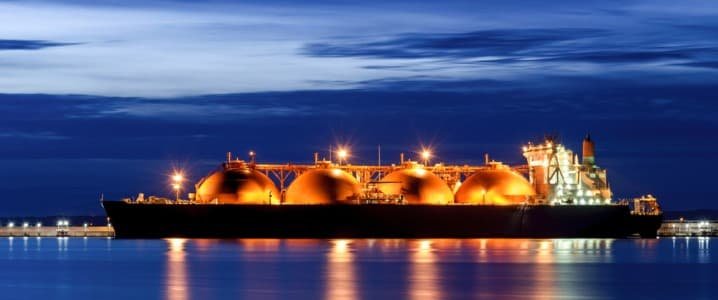
Japan’s government has confirmed it will continue sourcing oil and liquefied natural gas (LNG) from Russia, emphasizing these imports as critical to its national energy stability. This stance comes amid growing calls, especially from the United States, for Japan to cease purchasing Russian energy in response to geopolitical tensions. The Japanese Ministry of Economy, Trade and Industry reaffirmed the importance of projects like Sakhalin-1 and Sakhalin-2, where Japanese firms hold significant stakes and which remain major suppliers of crude oil and LNG respectively.
Despite sanctions targeting Russian energy companies, Japan benefits from exemptions due to its heavy dependence on these resources. The Russian LNG supply, accounting for roughly 9% of Japan’s total LNG imports, is especially difficult to replace in the short term. Prime Minister Sanae Takaichi has openly communicated to foreign leaders that a sudden halt would harm Japan’s economy and energy security.
Why It Matters
Energy Security Versus Geopolitical Pressure
Japan imports nearly 94% of its energy, relying heavily on overseas sources, with Russia playing a significant role in diversifying supply beyond the Middle East. The ongoing war in Ukraine and resulting sanctions have placed Japan in a delicate position: balancing international expectations with practical energy needs.
Cutting off Russian oil and LNG abruptly could jeopardize stable supply and economic growth, especially given Japan’s industrial and consumer demand growth at nearly 2% per year. Alternatives such as increasing imports from the U.S. or other countries come at higher costs and logistical challenges.
Japanese companies involved in Russian projects face uncertainty but are navigating sanctions carefully to protect their investments and ensure continued deliveries. The government signals commitment to a long-term energy transition, expanding renewables and restarting nuclear reactors, yet acknowledges such shifts require time.
Key Details
- Japan’s LNG imports from Russia make up approximately 9% of its total, sourced mainly from the Sakhalin-2 project with contracts lasting until at least 2026 and 2029.
- The Sakhalin-1 oil project, partly owned by Japanese firms and the Russian giant Rosneft, continues to export crude oil to Japan despite sanctions.
- The Japanese government has gradually reduced its Russian oil imports, which now constitute less than 1% of total oil imports due to sanctions and voluntary cutbacks.
- Japan is actively diversifying its energy mix by increasing LNG imports from the U.S., Australia, and Malaysia, while investing in strategic LNG reserves.
- Domestic political leadership prioritizes energy security and economic stability over external diplomatic pressures, reflecting a pragmatic approach amid global uncertainty.
What Comes Next
Japan’s energy policy will likely continue reflecting a careful equilibrium between maintaining critical Russian energy imports and pursuing gradual diversification and decarbonization strategies. The government may seek negotiated adjustments to its involvement in Russian projects but is prepared to resist abrupt supply disruptions that could undermine economic growth.
As Tokyo navigates this complex landscape, its focus remains on ensuring reliable, affordable energy for its citizens while managing geopolitical realities that could affect global markets. The coming years will show how Japan balances these competing demands as international pressure persists and global energy dynamics evolve.
“`