


“`html
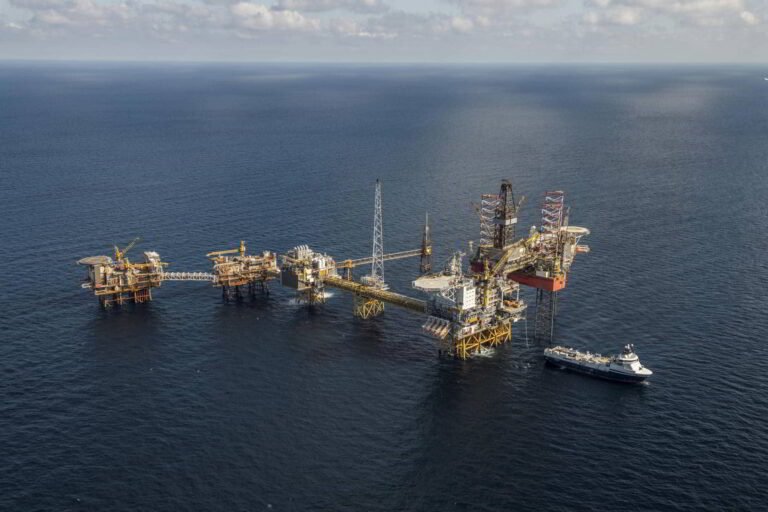
The Interior Department is moving full speed ahead with offshore energy development, scheduling a second oil and gas lease sale in the Gulf of Mexico amid growing debate. This new lease sale marks a key moment in the administration’s aggressive multi-year program to expand offshore drilling, despite concerns about environmental risks and coastal impacts.
What Happened
The Department of the Interior has announced a second Gulf of Mexico oil and gas lease sale, set for early 2026. This follows the initial sale slated for December 2025, known as “Big Beautiful Gulf 1,” marking the first in a series of multi-year lease offerings through 2040 under the new federal leasing framework.
The upcoming sale, tentatively titled “Big Beautiful Gulf 2,” will open bids on March 11, 2026, and will cover millions of acres of offshore waters for potential oil and gas exploration and extraction.
Why It Matters
Energy and Economic Implications
This lease schedule reflects the administration’s commitment to boosting domestic energy production to enhance national energy security and economic growth. Expanding offshore drilling could create jobs and increase government revenue through lease bonuses and royalties.
Environmental and Community Concerns
However, this expansion comes amid intense scrutiny over environmental risks. Gulf coastal communities and environmental groups warn that large-scale leasing threatens fragile ecosystems, risks oil spills, and endangers marine species such as the Rice’s whale. The scale of the lease sales and their rapid succession amplify concerns about cumulative environmental impacts and long-term consequences of offshore drilling infrastructure.
Key Details
The scheduled lease sale will be held on the Outer Continental Shelf in the Gulf of Mexico, leveraging acreage previously identified in the Department’s Five-Year Offshore Leasing Program.
- Bid opening for the second Gulf lease sale is set for March 11, 2026.
- These sales are part of a broader program spanning through 2040 aimed at opening tens of millions of offshore acres to oil and gas companies.
- The new schedule replaced the earlier planned sale known as Lease Sale 262, aligning with updated statutory requirements from recent legislation.
- Environmental review processes for these sales have been a point of contention, with debates over whether existing assessments adequately address potential impacts.
What Comes Next
The second Gulf lease sale will test how well the administration balances energy development goals with environmental stewardship. Federal regulators and industry stakeholders will closely watch the bidding process and subsequent development activities.
Legal challenges and public opposition remain likely, as stakeholders push for robust environmental reviews and protections for coastal communities. While proponents highlight energy independence and economic benefits, the unfolding lease sales will shape the future of offshore oil and gas production in one of the nation’s most sensitive marine regions.
The coming months will reveal how these lease sales influence energy markets, environmental policies, and the Gulf’s ecological and economic health for years to come.
“`