


With the rise of geofencing and mobile technology, you have the opportunity to enhance your customer loyalty strategies significantly. By integrating these tools, your business can deliver personalized experiences to customers based on their location, helping to foster a stronger connection and increase engagement. Utilizing data-driven insights allows you to send targeted promotions and notifications that resonate with your audience. However, it’s vital to use this technology responsibly to avoid potential privacy concerns and ensure a positive customer experience.
Understanding Geofencing
Definition of Geofencing
Geofencing is a technology that utilizes GPS, RFID, Wi-Fi, or cellular data to create a virtual geographic boundary, allowing you to define specific areas where exciting marketing strategies can be deployed. When a user’s device enters or exits this designated area, geofencing can trigger alerts, send notifications, or launch specific offers tailored to that location. This technology empowers your brand to engage with potential customers in real-time based on their physical proximity to your business.
By leveraging geofencing, you can push promotions directly to users when they are likely to engage, such as when they are within walking distance of your store. The effectiveness of geofencing is underscored by studies showing that more than 50% of consumers respond positively to location-based notifications, making it a vital tool for modern marketers.
How Geofencing Works
This technology operates by setting up predefined geographic boundaries using various location-based technologies. When a consumer enters these boundaries with their mobile device, the system triggers specific actions, such as sending push notifications or special offers. For instance, if a customer walks by your coffee shop, they might receive a notification about a timely promotion on their favorite beverage. This not only drives immediate foot traffic but also builds rapport with customers through timely and relevant interactions.
In essence, geofencing creates a bridge between your business and the consumer by utilizing mobile technology to enhance their experience. As users opt-in for location tracking, brands can track user behaviors and preferences, leading to more personalized interactions and effective marketing strategies.
Importance of Geofencing in Marketing
Geofencing transforms traditional marketing by enabling hyper-targeted campaigns. This specificity means you can direct promotions based on real-time location data, thereby increasing the likelihood of engagement. For example, during a local event, you can target attendees arriving at a nearby venue with unique offers, enhancing your visibility and relevance among potential customers. Through this method, businesses can achieve significant upticks in foot traffic and sales conversions.
Furthermore, businesses leveraging geofencing often see higher customer retention rates. By continually engaging users with tailored content and promotions based on their whereabouts, you foster a sense of connection and loyalty. Studies indicate that around 70% of consumers feel more positive about a brand that provides relevant location-based content, reinforcing the importance of deploying geofencing in your marketing strategy.
By integrating geofencing into your marketing efforts, you not only enhance customer experience but also gain valuable insights into consumer behavior. This data empowers you to optimize future campaigns, create more targeted offerings, and ultimately foster a loyal customer base.
The Role of Mobile Technology
Overview of Mobile Technology Trends
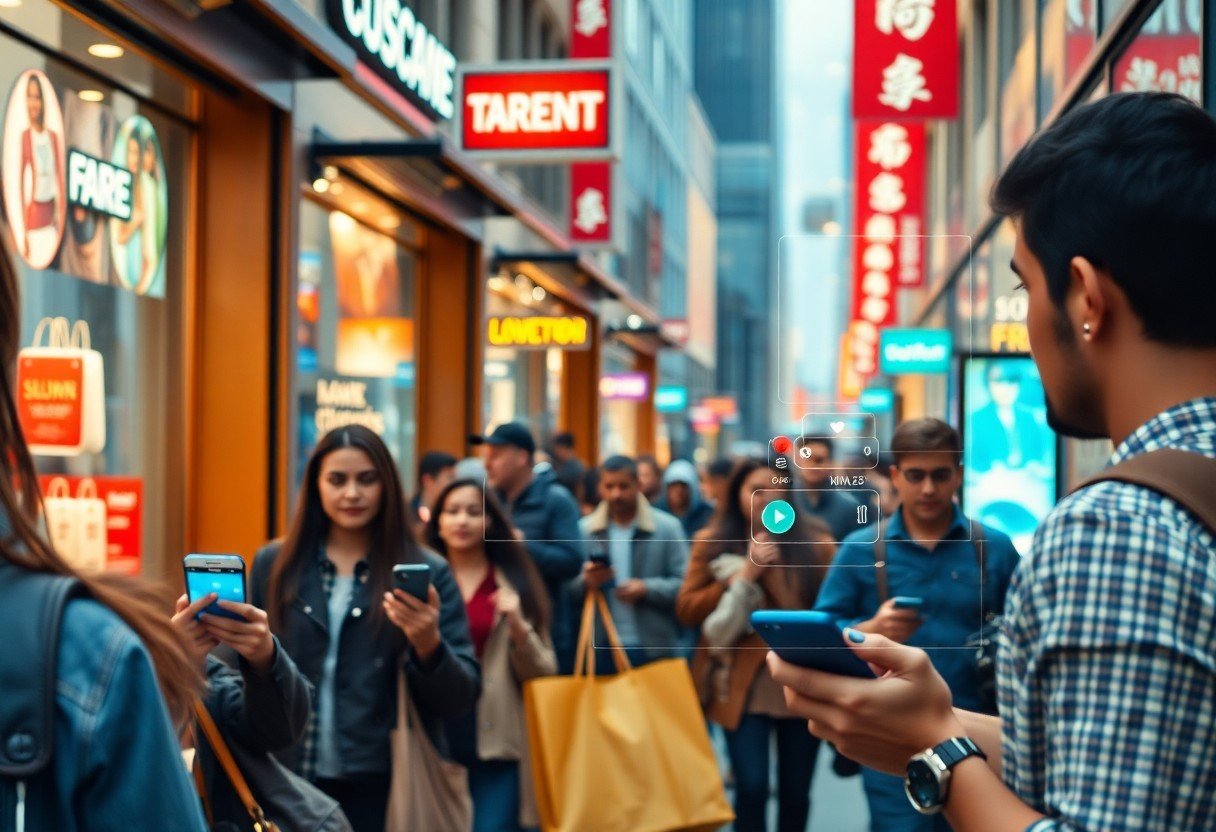
The rapid evolution of mobile technology profoundly shapes how businesses connect with their customers. With over 90% of consumers now owning a smartphone, numerous trends are emerging in mobile engagement strategies. You should pay attention to features like augmented reality (AR), artificial intelligence (AI), and mobile wallets. These innovations not only enhance user experience but also provide new avenues for personalized marketing and interactions, facilitating closer ties between brands and consumers.
Moreover, shifts in consumer preferences toward mobile-first solutions reflect a demand for convenience and immediacy. Mobile apps are increasingly becoming a core element of brand loyalty programs, allowing for instant access to rewards and promotions. Statistics show that app users spend 3-4 times more than non-app users, indicating the significant impact well-integrated mobile technology can have on driving customer retention.
Integration of Mobile Tech with Geofencing
Integrating mobile technology with geofencing enhances the precision of your marketing efforts. When you set up geofencing—defining a virtual boundary around a specific location—you can trigger relevant notifications through your mobile application as customers enter or exit these zones. This seamless integration enables your brand to send tailored offers and reminders, effectively turning your customers’ location into a powerful tool for engagement.
Additionally, with the advent of beacons and advanced GPS technology, real-time data collection becomes even more sophisticated. By understanding foot traffic patterns and customer behavior within geofenced regions, you can optimize your marketing strategies and operational decisions. When executed effectively, geofencing in conjunction with mobile technology not only boosts foot traffic to physical stores but also reinforces loyalty by delivering personalized experiences at the right moment.
The Impact of Smartphones on Consumer Behavior
Smartphones have revolutionized how consumers interact with brands. With instant access to information and constant connectivity, these devices have shifted the power dynamics in marketing. You likely rely on your smartphone for everything from product research to price comparisons while sitting in a store. Reports indicate that approximately 80% of consumers utilize their smartphones while shopping, demonstrating the importance of crafting mobile-optimized experiences that resonate with today’s on-the-go customer.
Furthermore, smartphones influence purchasing decisions through social validation. The ability to read reviews or share experiences in real-time shapes perceptions and can drive loyalty. For example, over 70% of millennials are influenced by customer reviews they find via their mobile devices. This reliance on mobile technology emphasizes the need for brands to maintain an active and responsive online presence.
The Impact of Smartphones on Consumer Behavior
As the digital landscape continues to evolve, understanding consumer behavior related to smartphones becomes vital for your marketing strategy. Data shows that nearly 95% of smartphone users use their devices for shopping-related activities, reinforcing the necessity of optimizing your campaigns for mobile engagement.
Benefits of Geofencing for Businesses
Enhanced Customer Engagement
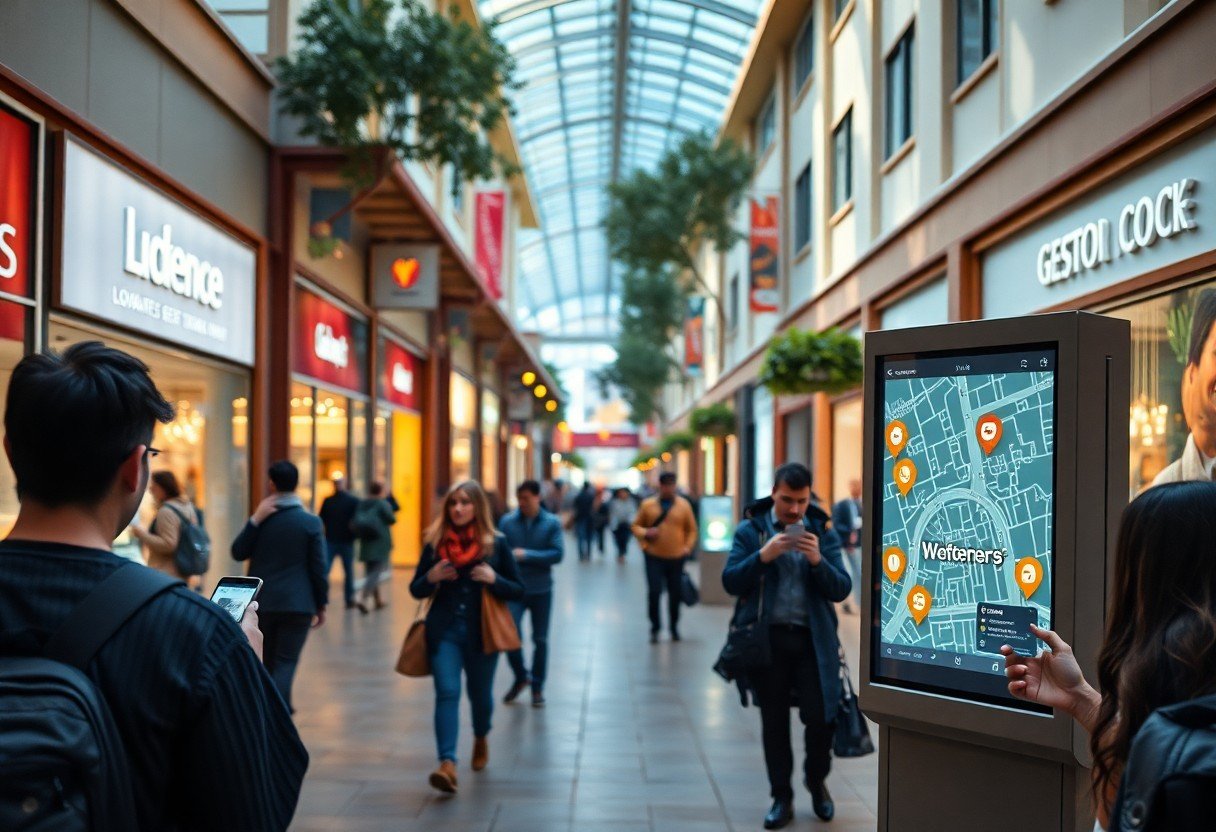
Utilizing geofencing enables you to create a more personalized experience for your customers. When a customer enters a designated area, you can send them tailored notifications, promoting special offers or relevant updates. This instant connectivity fosters a sense of immediacy, making customers feel valued and more inclined to engage with your brand. For instance, retail chains often attract shoppers by offering discounts or exclusive sales as soon as they approach their stores, significantly increasing foot traffic.
Moreover, geofencing can encourage repeat visits by reminding customers of your offerings when they are in proximity. Imagine being a coffee shop owner who sends a notification about a buy-one-get-one-free deal to customers who have previously visited your shop. This targeted approach not only drives immediate sales but also cultivates a habit of returning to your location, enhancing overall customer loyalty.
Targeted Marketing Strategies
Geofencing empowers you to implement hyper-targeted marketing campaigns that resonate with specific segments of your audience. By analyzing customer data and behaviors within geofenced areas, you can tailor your promotions to align with potential customers’ preferences. For example, a clothing store can focus on sending style recommendations based on the demographics of those entering the vicinity, thereby increasing the likelihood of conversions.
The data collected through geofencing allows you to adjust your marketing strategies dynamically. If a specific promotion is underperforming in a particular location, you can pivot your approach instantaneously based on real-time insights gathered from customer interactions. This adaptability not only improves campaign efficiency but also enhances your marketing ROI.
In essence, targeted marketing strategies facilitated by geofencing can lead to higher engagement rates, as potential customers receive relevant offers at the right moment. Case studies have shown that businesses employing these strategies report up to a 35% increase in conversion rates, proving that timely, relevant marketing makes a significant difference.
Real-time Analytics and Feedback
Real-time analytics provided by geofencing technology allow you to track customer behaviors and preferences as they happen. This immediate feedback loop can reveal patterns in foot traffic, pinpoints successful promotions, and identifies areas needing improvement. For you, this means the ability to make informed decisions based on actual customer actions instead of relying solely on historical data.
Furthermore, the analytics extend beyond simple tracking. By integrating geofencing with customer relationship management (CRM) systems, you can achieve a comprehensive understanding of your customers. You’ll know not only when they visit but also how long they stay and what they engage with—information that can refine your marketing efforts and increase customer satisfaction.
Utilizing real-time analytics can significantly enhance your responsiveness to customer needs, as businesses that pivot based on immediate feedback often see improved loyalty and sales. Data from geofencing can forecast peak times, enabling you to optimize staffing and inventory accordingly.
Creating Effective Geofencing Campaigns
Defining Target Audiences
Identifying the right target audience is fundamental for a successful geofencing campaign. Start by analyzing your existing customer data to pinpoint who frequents your physical locations. Segment these customers based on demographics, purchasing behavior, and location patterns. For instance, if you own a coffee shop, you might find that your highest traffic comes from young professionals who work nearby and seek quick coffee breaks during weekdays.
Utilizing customer personas can sharpen your focus on specific groups. Define characteristics such as age, gender, and lifestyle preferences. This segmentation allows you to tailor your messaging effectively, ensuring that your promotional offers resonate with the unique motivations and needs of each group, ultimately enhancing engagement and driving foot traffic.
Designing Compelling Offers and Promotions
You need to craft offers that not only grab attention but also compel customers to visit your location. Consider exclusive discounts, loyalty points, or freebies that apply only when they are within the geofenced area. For example, a retail store might offer a 20% discount on in-store purchases for customers who enter the geofence, creating a sense of urgency to take action immediately.
Moreover, personalizing these offers can significantly boost their effectiveness. Use customer data to tailor promotions, such as offering birthday discounts or loyalty rewards when they visit specific locations. This personalized approach fosters customer loyalty and encourages repeat visits, as customers feel valued and recognized.
Incorporating time-sensitive promotions can also heighten the urgency for customers to take action. For instance, sending notifications for flash sales that last only for an hour or during peak times can drive immediate traffic, capitalizing on the impulse of being nearby.
Choosing the Right Geofencing Tools and Platforms
Selecting an appropriate geofencing tool is necessary for executing your campaign effectively. Look for platforms that offer robust reporting and analytics features, enabling you to track customer engagement, conversion rates, and location data. Examples include Venuetize or Localytics, which are specifically designed for industries like retail or hospitality. Ensure that the selected tool integrates seamlessly with your existing marketing infrastructure to streamline operations.
Moreover, consider user-friendliness and support options when selecting a platform. The ability to easily set up and modify geofences, as well as access to responsive customer service, can greatly influence the success of your campaigns. A great solution not only enhances your campaign execution but also empowers you to make data-driven decisions quickly.
It’s important to assess whether the platform provides geofencing, geolocation analytics, and the ability to integrate with CRM systems. This ensures you’re not just tracking foot traffic but also linking it to customer engagement metrics that matter most for ROI.
Case Studies of Successful Geofencing Programs
- Retailer A: Implemented a geofencing campaign that resulted in a 20% increase in foot traffic during promotional periods.
- Retailer B: Achieved a 15% increase in sales through targeted push notifications sent to customers within a 1-mile radius of their stores.
- Theme Park: Used geofencing to enhance visitor engagement, resulting in a 10% upsell in merchandise due to location-based offers.
- Hotel Chain: Increased bookings by 30% during last-minute stays by sending offers to potential guests in nearby cities.
- Restaurant X: Increased take-out orders by 25% through geofenced promotions, specifically targeting users within a 0.5-mile radius.
- Airline Y: Implemented a geofencing strategy that sent exclusive upgrade offers to customers as they arrived at the airport, leading to a 12% increase in upgrads.
Retail Success Stories
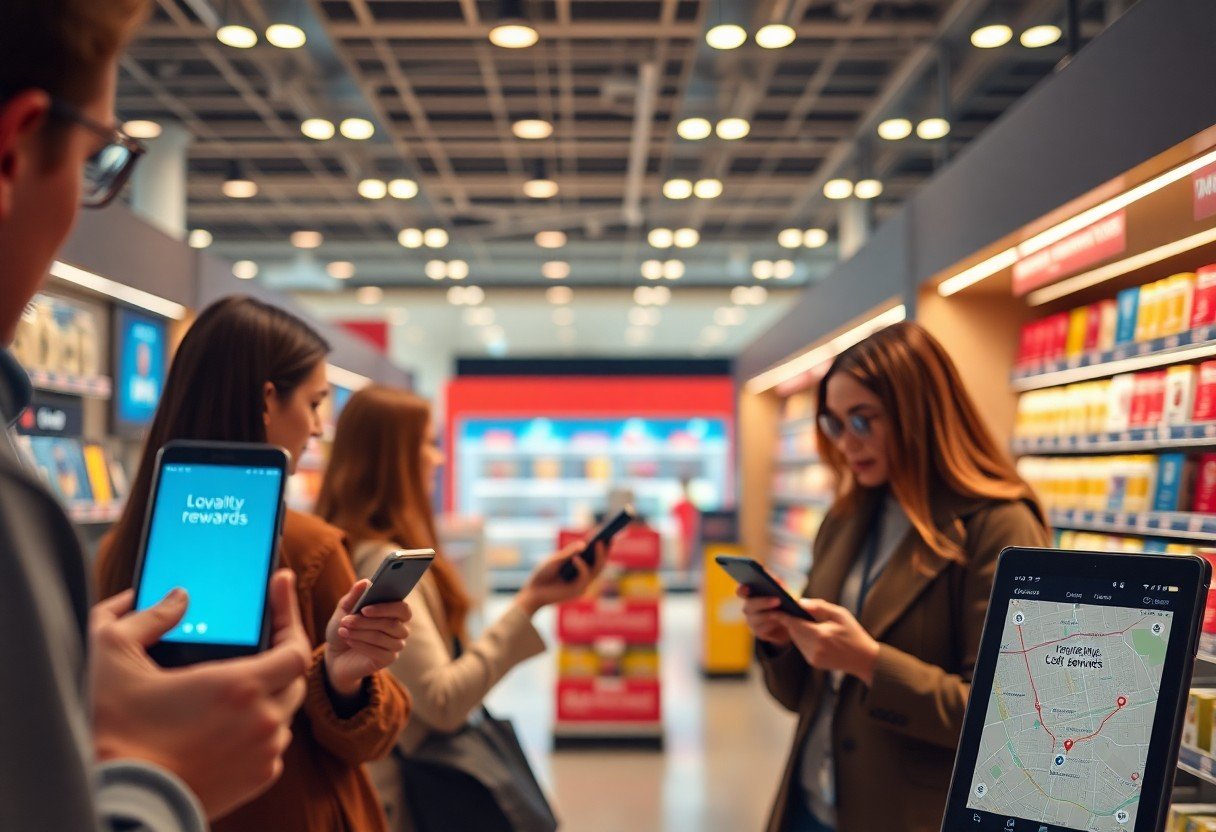
Your retail strategies can benefit from geofencing, as seen in the success of Retailer A. Their campaign utilized location-based advertising to deliver targeted promotions to users within a designated area, leading to a 20% increase in foot traffic during key promotional periods. Similarly, Retailer B capitalized on this technology by sending push notifications to customers located within a 1-mile radius, which resulted in a 15% surge in sales during their peak shopping times.
These examples underscore how crucial timely and relevant notifications can be in driving customer visits and purchases. By harnessing geofencing, you can attract customers who are already in proximity to your store, significantly boosting your sales potential.
Hospitality and Tourism Examples
In the hospitality sector, geofencing can enhance guest interactions and drive bookings, as illustrated by a hotel chain’s successful campaign. By sending tailored offers to potential guests within a 30-mile radius of their properties, they experienced a 30% increase in last-minute bookings. This ability to attract nearby visitors at critical times demonstrates the potential of geofencing to create a competitive edge.
Additionally, theme parks are leveraging geofencing technology to boost merchandise sales. By sending location-based offers directly to visitors as they explore the park, one notable theme park reported a 10% upsell in merchandise, effectively enhancing the overall guest experience while driving revenue.
Insights from Food and Beverage Brands
Food and beverage brands are using geofencing to capture the attention of local customers. For instance, Restaurant X saw a 25% increase in take-out orders by targeting customers within a 0.5-mile radius with timely promotions. This tactic not only drew customers who were nearby but also encouraged repeat visits from loyal patrons.
By analyzing these successful approaches, you can tailor your strategies to effectively engage your local market, transforming foot traffic into consistent sales through personalized promotions and time-sensitive offers.
Challenges and Considerations
Privacy Concerns and Consumer Trust
As geofencing technology becomes ubiquitous, privacy concerns rise to the forefront of consumer apprehensions. Many users are wary of how their location data is collected, stored, and utilized. According to a survey by the Pew Research Center, about 79% of smartphone users express concern about how their data is being used by companies. This skepticism can erode trust, hindering the effectiveness of your geofencing strategies.
To foster consumer trust, it’s vital to implement transparent data practices. Clear communication about what data is collected, how it is used, and the benefits provided can alleviate many concerns. Providing users with options to customize their privacy settings also empowers them, encouraging engagement with your geofencing initiatives.
Technological Limitations
While geofencing offers immense potential, you must navigate various technological limitations. For instance, accuracy can fluctuate based on factors such as GPS signal strength or urban obstructions like tall buildings. Moreover, many smartphones may have settings that restrict location tracking, which can lead to missed opportunities. Research indicates that up to 30% of users disable location services, thereby limiting the effectiveness of geofencing.
Furthermore, the integration of geofencing with customer relationship management (CRM) systems poses challenges. Many organizations struggle with real-time data processing, which is necessary for timely engagement. Your strategies must account for these limitations to ensure a smooth user experience and maximize the return on investment.
Balancing Personalization with Overexposure
Finding a balance between delivering personalized messages and avoiding overexposure is vital. Overly frequent notifications can lead to notification fatigue, where consumers become desensitized to alerts, diminishing their impact. A study by Localytics found that 52% of users choose to opt out of app notifications after being overwhelmed by them.
Conversely, well-timed and relevant messages can greatly enhance customer loyalty and engagement. When you personalize marketing efforts based on user behavior and preferences, it fosters a sense of connection. Striking this balance requires you to analyze user interactions continuously and adjust your strategies accordingly.
Conclusion
So, by effectively utilizing geofencing and mobile technology, you can significantly enhance your customer loyalty efforts. These tools allow you to engage customers with personalized offers, notifications, and experiences that resonate with their preferences and behaviors. When you incorporate location-based marketing into your strategy, you are not just reaching out; you are connecting with your audience in meaningful ways that drive foot traffic and increase sales.
Additionally, leveraging data gathered through mobile tech enables you to refine your understanding of customer habits and preferences, allowing for continuous improvement of your loyalty programs. By fostering a more tailored and relevant experience, you can build a stronger relationship with your customers, encouraging repeat business and long-term loyalty. Your commitment to utilizing these technologies effectively will position you as a leader in customer satisfaction within your industry.