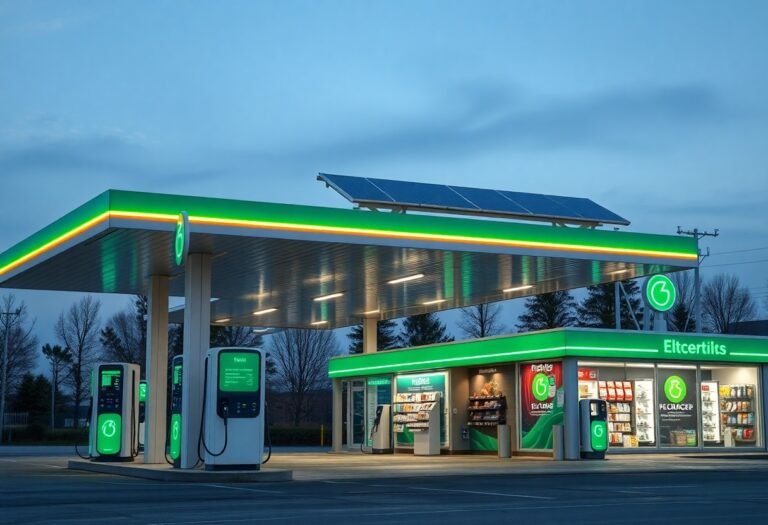



Most of you may envision fuel stations as mere places to fill up your gas tanks, but by 2035, these locations will transform into hubs of diverse energy sources. As electric vehicles gain traction and alternative fuels emerge, understanding what to expect at future fuel stations will be vital for your driving habits. This post will explore the evolution of fuel stations, highlighting innovations and technologies that will reshape your refueling experience while addressing the environmental impacts of these changes.
The Evolution of Fuel Stations
Historical Context
Your understanding of fuel stations likely begins with the mid-20th century, when the proliferation of automobiles led to the establishment of gas stations across urban and rural landscapes. These stations became imperative for fuel distribution, evolving from mere pumps by the roadside to fully-fledged businesses offering a range of services. By the 1970s, the oil crises catalyzed changes in fuel economies and led the industry to diversify offerings, integrating convenience stores, car washes, and even quick-service restaurants alongside traditional fuel pumps.
Fast forward to the late 20th century, and the industry’s adaptation mechanisms responded to environmental concerns and rising fuel prices. Organizations began developing alternative fuel options like biofuels and electric charging stations. This transition set the stage for a more comprehensive evolution, where fuel stations no longer only served gasoline but expanded to facilitate a broader array of energy sources, including hydrogen and solar energy systems.
Technology Advancements
You’ve witnessed technology transform fuel stations dramatically over the decades. Initially relying on manual pumps, today’s stations utilize automated systems and mobile app integrations, enhancing convenience for customers. Modern fuel stations are equipped with advanced payment systems, allowing seamless transactions while monitoring fuel consumption patterns. Additionally, the introduction of smart technology supports managing energy distribution and optimizing resource use based on real-time data.
The advent of electric vehicle (EV) charging technology has particularly influenced fuel station design, pushing them towards rapid DC charging solutions, which can fully charge a vehicle in under 30 minutes. With nearly 7 million EVs on the road as of 2023, energy providers are installing charging stations at traditional fuels sites and simultaneously working on renewable energy sources to power these facilities. As consumer demand for a clean energy transition heightens, fuel stations are diversifying to include multiple energy sources, providing you with versatile fueling options.
Alternative Fuels
Electric Charging Solutions
You’ll find electric charging solutions evolving rapidly, impacting the landscape of refueling. In 2035, charging stations are no longer limited to standalone units; they’re integrated into everyday infrastructure. Many urban areas will feature charging points in parking garages, shopping centers, and even at restaurants, allowing you to recharge your vehicle while you go about your day. Fast-charging technology makes it possible to reach 80% battery capacity in under 30 minutes, ensuring minimal disruption to your schedule.
The expansion of the electric vehicle (EV) market is supported by advancements in battery recycling and second-life applications. Companies are developing systems that repurpose old EV batteries for energy storage, creating a sustainable cycle. As a result, you’ll witness a significant reduction in resource use and environmental impact, making your choice to drive an electric vehicle even more appealing.
Hydrogen Fuel Cells
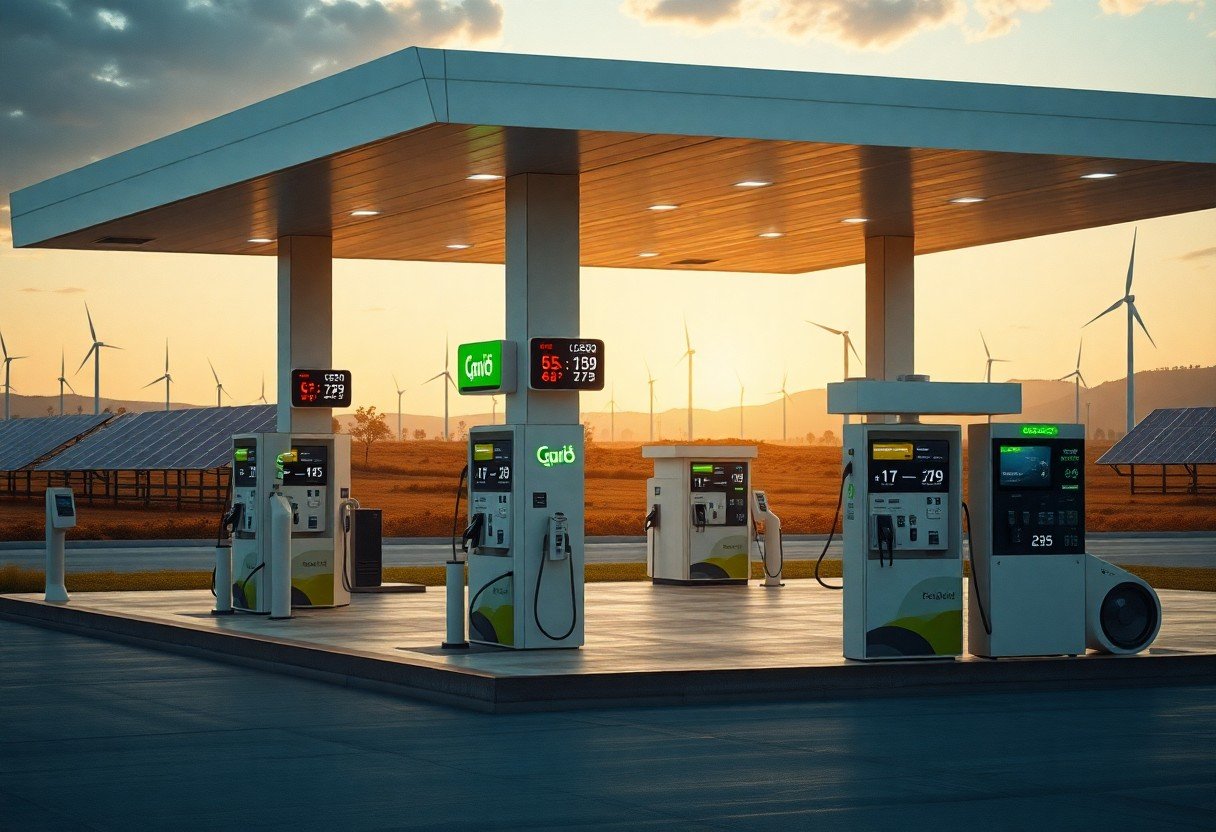
Hydrogen fuel cells are gaining traction as a viable alternative for larger vehicles, such as buses and trucks, due to their efficiency and quick refueling capabilities. In 2035, hydrogen fueling stations will become more prevalent, allowing you to refuel a hydrogen-powered vehicle in under five minutes, comparable to conventional gasoline refueling times. This technology produces only water as a byproduct, addressing many environmental concerns associated with fossil fuels.
Furthermore, the establishment of dedicated hydrogen production facilities powered by renewable energy sources will ensure a sustainable supply. You can expect that the integration of hydrogen solutions into public transport, freight services, and personal vehicles will lead to greater reductions in greenhouse gas emissions, making it a revolutionary choice for your transportation needs.
As you consider hydrogen fuel cells, it’s imperative to recognize the ongoing advancements in production methods. Electrolyzers, which separate hydrogen from water using electricity, are becoming more efficient and cost-effective, encouraging widespread adoption. In addition, partnerships between automakers and energy companies are driving investments into the hydrogen infrastructure, paving the way for a cleaner, hydrogen-fueled future you can take part in.
Infrastructure Transformations
Smart Technology Integration
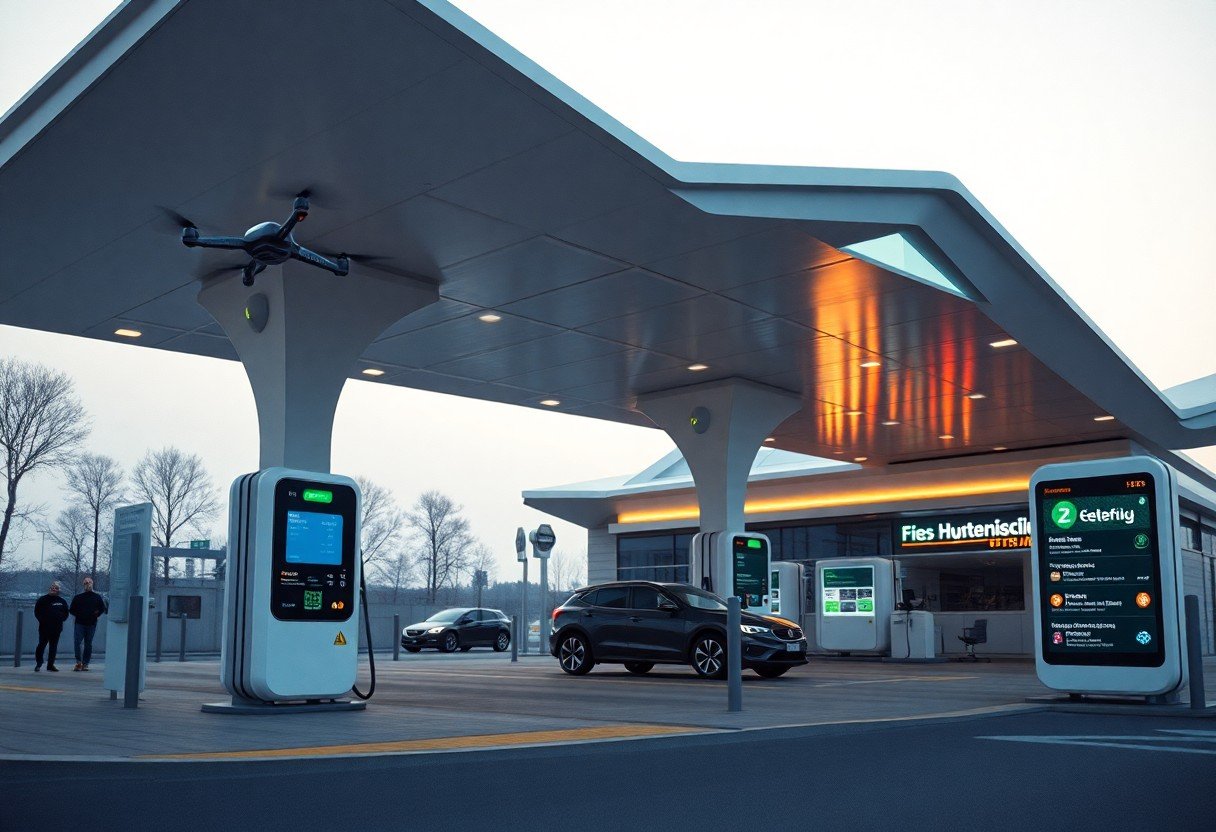
Your fuel station experience in 2035 will heavily rely on smart technology. Digital interfaces will greet you as you arrive, automatically identifying your vehicle and recommending the most suitable refueling options. With the integration of IoT devices, stations will monitor energy demands in real-time, optimizing charging schedules for electric vehicles to reduce wait times and enhance efficiency. This predictive technology can also analyze local traffic patterns to suggest the best times for you to visit, ultimately saving you time and energy.
Urban Design and Fuel Access
In 2035, urban fuel stations will seamlessly integrate into the landscape, designed with accessibility and aesthetics in mind. Fuel access won’t just be about utility; your stations will become community hubs, featuring green spaces, social areas, and electric vehicle sharing options. The design will prioritize pedestrian traffic, ensuring you can easily walk or cycle to refueling stations without hassle. Innovative layouts will eliminate barriers for those with mobility challenges, reinforcing inclusivity as a core principle.
Consumer Behavior Shifts
Changing Preferences
As you navigate the fuel station of 2035, you’ll notice a significant shift in consumer preferences, driven primarily by advancements in technology and the proliferation of sustainable energy sources. Traditional gasoline pumps are becoming less attractive as electric vehicle (EV) ownership surges, with projections indicating that electric cars could comprise over 50% of new vehicle sales by 2035. This preference not only reflects a desire for modernity but also aligns with the increasing availability of fast-charging stations and the integration of renewable energy solutions in powering these stations.
You might find that many consumers today prioritize convenience over traditional services. Fueling options may include on-demand charging locations and mobile apps that allow you to schedule charging times according to your daily routines. The emergence of robust charging infrastructures means that your wait time at the fuel station becomes minimal, paving the way for a more seamless experience.
Environmental Impact Awareness
Your awareness of environmental issues has fundamentally reshaped how you view fuel consumption. Data reveals that 76% of consumers now consider the ecological impact of their energy choices, with a noticeable shift towards fuels that promote sustainability. This rise in eco-consciousness translates into a growing preference for biofuels, hydrogen, and electricity sourced from renewable energies. Retailers adapting to these trends are likely to focus more on stocking environmentally friendly options, which not only cater to your preferences but also resonate with a broader societal commitment to combating climate change.
As awareness around environmental issues continues to rise, you may find that consumer loyalty increasingly hinges on the sustainability practices of companies. Fuel stations are responding by incorporating green technologies, such as solar-powered charging stations and carbon offset programs, to enhance your experience while reinforcing their commitment to sustainability. This evolution showcases how customer expectations can drive significant change across entire industries.
Regulatory Influences
Government Policies
Your experience at fuel stations in 2035 will be heavily shaped by government policies aimed at reducing carbon emissions and promoting sustainability. For instance, many countries have implemented stringent regulations that mandate a gradual reduction in gasoline and diesel sales, pushing consumers and businesses toward alternative fuels. You’ll likely encounter policies that require a certain percentage of energy sold at fuel stations to be from renewable sources, such as electric charging stations, hydrogen fuel pumps, or biofuels derived from agricultural waste.
Moreover, each region may support various initiatives. In Europe, for example, the European Union’s Green Deal is expected to drive investments in infrastructure for alternative fuel sources, setting ambitious targets that might require many fuel stations to transform their offerings significantly. As a consumer, you will benefit from these policies as they create a more accessible network of alternative refueling options, making it easier for you to transition away from traditional gasoline-powered vehicles.
Incentives for Alternative Fuels
Incentives play a pivotal role in shaping your choices as a consumer in the fuel landscape of 2035. Government programs designed to subsidize the installation of electric vehicle (EV) charging stations or hydrogen pumps can make these options more financially attractive. You might see tax breaks or grants for station owners who invest in green technologies, consequently lowering the cost for consumers. As a result, you could find prices for alternative fuels competitive with traditional gasoline, encouraging you to switch to cleaner options.
These incentives are often coupled with state and local policies promoting cleaner transportation, creating a supportive ecosystem for new technologies. For example, your local government may provide rebates for individuals purchasing electric vehicles, making ownership more appealing. In metropolitan areas, the expansion of urban charging infrastructure may also receive funding tied to these incentives, ensuring you have charging options within your community, thus enhancing your overall experience while fueling your vehicle sustainably.
Specifically, additional measures such as reduced registration fees for electric vehicles or zero-emission vehicle mandates are increasingly common. States that proactively offer financial and logistical support for alternative fuel infrastructure will ensure you, as a consumer, have a seamless transition to greener technologies, making alternative fuels not only viable but also preferable in the coming years.
Global Perspectives
Regional Innovations
In 2035, the global fuel landscape showcases remarkable regional innovations that cater to diverse energy needs. In countries like Norway, there’s an extensive network of charging stations powered by renewable energy, significantly reducing dependence on fossil fuels. Meanwhile, in places like India, the emergence of biofuel stations utilizing agricultural waste illustrates a commitment to sustainable practices tailored to local resources.
Additionally, urban areas in Japan are integrating hydrogen fuel stations into their infrastructure, enabling a hydrogen economy that supports clean transport solutions. This variety demonstrates how different regions are leveraging their unique resources to pioneer solutions that optimize energy accessibility and reduce environmental impact.
Regional Innovations
| Region | Key Innovations |
|---|---|
| Norway | Renewable-powered charging stations |
| India | Biofuel stations from agricultural waste |
| Japan | Hydrogen fuel stations in urban areas |
Cross-Country Comparisons
When examining fuel stations globally, cross-country comparisons reveal stark disparities in energy adoption and technology integration. For instance, in the United States, the push for electric vehicle (EV) adoption has led to advancements in charging technology, with network providers like ChargePoint offering high-speed chargers across the country. Conversely, countries such as China have rapidly embraced battery swap stations, allowing users to exchange depleted batteries quickly, which can reduce wait times significantly.
Moreover, European nations like Germany and the Netherlands are implementing integrated energy hubs that combine charging for EVs, hydrogen, and fasting refueling for conventional vehicles, offering a holistic approach. These comparisons highlight the varying strategies employed to meet local demands, demonstrating the importance of tailored solutions in the transition to sustainable fuel alternatives.
Cross-Country Comparisons
| Country | Fuel Innovation |
|---|---|
| USA | High-speed EV chargers |
| China | Battery swap stations |
| Germany/Netherlands | Integrated energy hubs |
Such comparisons underscore the necessity of learning from diverse approaches worldwide to accelerate the transition to sustainable fuel stations. By recognizing individual innovations and outcomes, you can see how international cooperation and knowledge sharing can drive advancements in fuel accessibility and efficiency on a global scale.
Conclusion
Presently, as you navigate the evolving landscape of energy consumption, it’s crucial to recognize that the fuel station of 2035 will be fundamentally different from what you know today. With the rise of electric vehicles, hydrogen fuel technology, and renewable energy sources, you will find that convenience and accessibility in refueling will significantly enhance your driving experience. Instead of simply filling up your gas tank, you will engage in a multifaceted energy ecosystem that prioritizes sustainability and innovation.
As you adapt to this transformation, you will likely encounter an array of services designed to cater to your energy needs, from rapid charging stations to services that provide real-time data about energy usage and availability. Your choices will shape the future of transportation and energy usage, making it indispensable to stay informed and involved in these developments. The station of 2035 will not just be a stop for fuel; it will be a hub for your energy needs and community sustainability efforts.