


Just as the automotive landscape transforms with the rise of electric vehicles (EVs), fuel stations must adapt to stay relevant and profitable. You can implement innovative strategies to diversify your offerings, such as integrating EV charging stations, providing enhanced customer services, and exploring partnerships that capitalize on the electric evolution. By embracing these changes, you can ensure that your station not only survives but thrives in this new era of transportation.
Understanding Electric Vehicle Trends
Rise of Electric Vehicles in the Market
The electric vehicle market is experiencing unprecedented growth, driven by advancements in technology and shifting consumer preferences. In 2022, electric vehicles accounted for approximately 8% of global car sales, a figure that is expected to surpass 20% by 2025. Major automakers, such as Ford and General Motors, are committing billions toward electric vehicle development, alongside the introduction of new models that cater to a wider range of consumers. Regions like Europe and China lead the charge, with governments implementing policies that support electric vehicle adoption, including incentives for buyers and investments in charging infrastructure.
This rapid adoption signals a transformation in the automotive landscape, affecting how consumers view personal transportation. As battery technology improves, range anxiety diminishes, with many EVs now offering over 300 miles on a single charge. Moreover, models with competitive pricing and diverse styles are emerging, making electric vehicles accessible to a broader audience. Fuel stations must now assess how they can transition their business models to accommodate this growing segment.
Consumer Behavior and EV Adoption
Your understanding of consumer behavior is key to navigating the shift toward electric vehicles. Studies indicate that environmental awareness significantly influences purchase decisions, with around 70% of potential buyers citing sustainability as a primary motivation for choosing electric over traditional vehicles. Additionally, the increasing concern over fuel prices is prompting many to explore electric options that promise lower operating costs over time.
As convenience plays a significant role in consumer choices, the demand for accessible charging stations is rising. A report from the International Energy Agency highlights that more than 80% of EV charging occurs at home, but public charging options are crucial for long trips and urban dwellers. You can enhance your fuel station’s appeal by integrating fast-charging capabilities and making user experience a priority, ensuring that customers see your location as a viable option in their electric vehicle journey.
Adapting Fuel Stations to New Technologies
Charging Infrastructure for Electric Vehicles
To effectively serve the electric vehicle market, you must invest in charging infrastructure that meets varying consumer needs. Offering a mix of fast-charging stations and standard chargers can significantly enhance customer satisfaction. Fast chargers can restore about 80% of battery capacity in roughly 30 minutes, making them ideal for customers on-the-go. Strategically placing these chargers along major highways will also capture long-distance travelers looking for quick recharges during their journeys.
Incorporating user-friendly features, such as clear signage and real-time availability updates through mobile apps, will improve your station’s appeal. Partnerships with charging networks like ChargePoint or EVgo can expand your reach and provide reliable service. By ensuring your locations are well-equipped, your fuel station can attract electric vehicle owners and generate additional revenue streams.
Innovative Payment Solutions
Adopting innovative payment solutions can significantly streamline the customer experience at your fuel station. Implementing contactless payment options, mobile wallets, and in-app payment features will cater to tech-savvy customers who prefer cashless transactions. This not only speeds up the payment process but also enhances safety by reducing physical contact.
Moreover, integrating subscription models or loyalty programs can encourage repeat business. For instance, offering discounted charging rates for members incentivizes more frequent visits to your station. Emphasizing simplicity in payment processes can attract both electric vehicle drivers and traditional customers, making your fuel station a preferred stop for all.
By continuously evaluating and improving your payment options based on customer feedback, you ensure a responsive service that adapts to emerging trends. This proactive approach can set your fuel station apart in a competitive market, enhancing overall customer satisfaction and loyalty.
Diversifying Services Beyond Fuel
Convenience Store Offerings
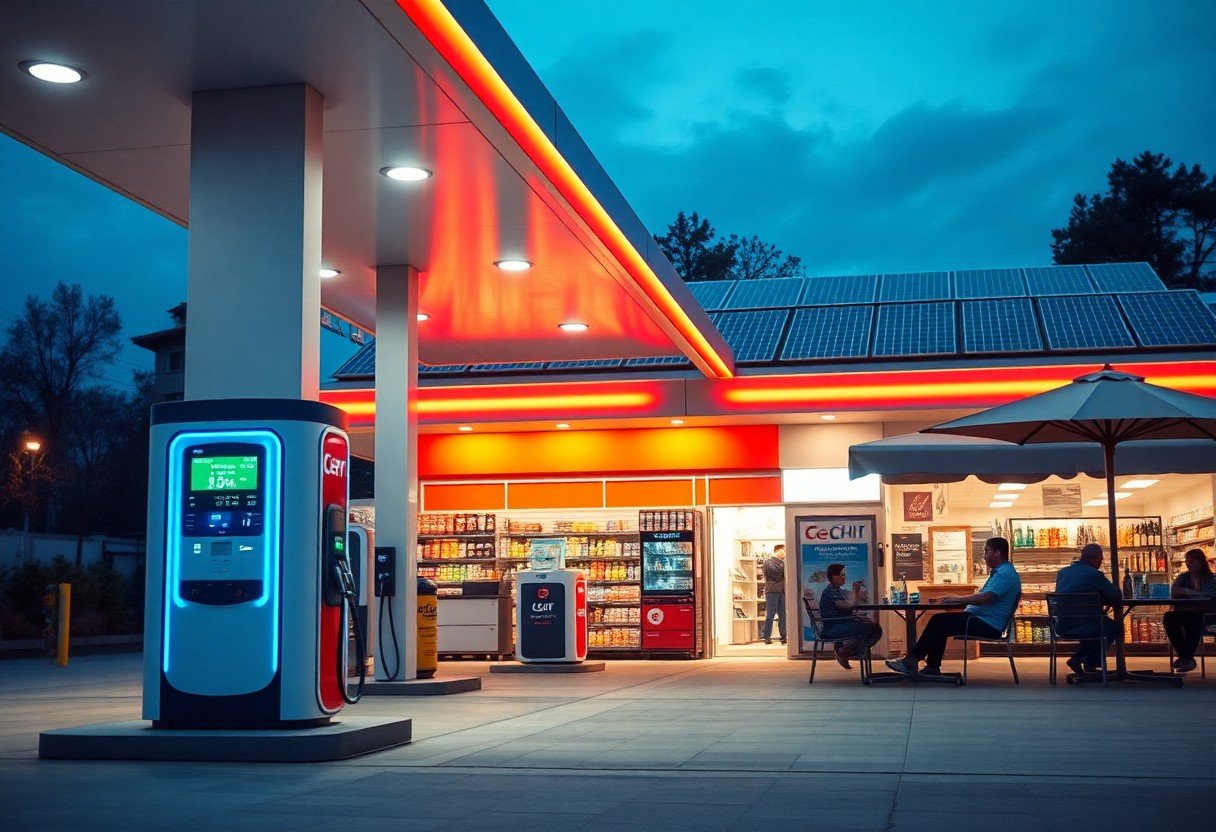
Your fuel station can significantly enhance profitability by expanding its convenience store offerings. By stocking a diverse range of products—from organic snacks to gourmet coffee—you attract both passersby and regular customers. Consider integrating local brands or healthier food options, as studies show that consumers are increasingly seeking quality and sustainability. By strategically placing promotional displays, you can increase impulse buys, potentially boosting revenue by up to 30% in existing convenience stores.
Partnerships with EV Manufacturers
Forming partnerships with electric vehicle manufacturers can open new revenue streams and enhance your station’s reputation as a forward-thinking business. Collaborating with companies like Tesla or Rivian can help you secure exclusive charging stations that attract EV users directly to your location. This strategy not only diversifies your service offerings but also connects your brand with cutting-edge technology and innovation.
Furthermore, consider co-promotions or sponsorship opportunities where you provide discounts or loyalty rewards for EV drivers who use your charging stations. Tailoring your services to meet the specific needs of EV owners—such as showcasing charging availability on apps or websites—will position your fuel station as a preferred stop along their routes, expanding your customer base considerably.
Marketing Strategies for Modern Fuel Stations
Targeting Eco-Conscious Consumers
To connect with eco-conscious consumers, you need to emphasize sustainable practices in your marketing collateral. Highlight any eco-friendly initiatives your station adopts, such as offering biofuels or partnering with local artisans who use renewable energy. Tailoring your branding to resonate with a greener lifestyle can help position your business as a leader in sustainability. Consider running promotions that incentivize the use of electric vehicles, like discounts for EV drivers, and showcase these offerings prominently in your advertisements.
Hosting community events focused on sustainability can also increase your visibility and strengthen your connection to this demographic. Offer workshops on eco-friendly practices or collaborate with local environmental organizations to sponsor clean-up drives. By fostering a community atmosphere that prioritizes ecological awareness, you attract environmentally-conscious customers who value businesses contributing to a sustainable future.
Utilizing Digital Platforms and Social Media
Engaging with customers through digital platforms is a powerful way to enhance your marketing strategy. Use social media channels like Instagram and Facebook to showcase your offerings, share customer stories, and promote your sustainability initiatives. Regular updates through these platforms create opportunities to interact with your audience while signaling that you’re tuned into modern consumer behaviors. You might consider running social media contests that encourage users to share their experience at your station, which can improve your online presence and draw in additional customers.
Data-driven social media campaigns can provide insights into customer preferences, helping you tailor your marketing efforts. Analyzing engagement metrics allows for fine-tuning your content, targeting ads effectively. Increasing your visibility on digital platforms complemented by engaging with influencers in the eco-friendly space can further amplify your message, promoting your fuel station as a proactive partner in the shift to a sustainable automotive future.
By leveraging targeted advertising and high-quality content, you can generate conversations around your brand. Share informative posts about the benefits of eco-friendly fuel options and EV incentives to position your station as a knowledgeable resource. The more you communicate your commitment to sustainability, the more likely you are to attract a loyal customer base focused on making environmentally responsible choices.
Regulatory and Policy Considerations
Government Incentives for Charging Stations
Leveraging government incentives can bolster your decision to install electric vehicle charging stations. Many local and federal programs offer financial support aimed at enhancing charging infrastructure. For instance, the Federal EV Charging Grant provides significant funding for the development of charging stations, which can offset initial setup costs. Additionally, state-specific initiatives often feature tax credits or rebates for businesses investing in EV charging technology, making these projects more financially viable.
Furthermore, utilities are increasingly offering programs that reward businesses for installing EV chargers, such as reduced electricity rates during off-peak hours. These incentives not only enhance your bottom line but also position your fuel station as a forward-thinking operation that welcomes the shift towards electric mobility. By exploring and applying for these incentives, you can maximize your investment while enhancing customer satisfaction.
Navigating Local Regulations
Understanding local regulations is crucial when incorporating charging stations into your fuel station. Zoning laws may dictate where you can place these stations, often requiring permits or specific compliance with building codes. For example, some municipalities have guidelines concerning the number of chargers in relation to fuel pumps, which means you’ll need to plan your installation meticulously to avoid costly fines or delays. Partnering with local planning officials can help you streamline the permitting process while ensuring you are aligned with community standards.
Your approach to regulatory compliance can distinguish you from competitors. Engage with local government representatives to stay updated on potential changes in EV policies that could impact your operations. Moreover, proactively participating in community discussions regarding EV infrastructure can foster goodwill, ultimately benefiting your public image. Well-informed decisions concerning regulatory matters not only facilitate smoother operations but can also reinforce your station’s reputation as a proactive leader in the energy transition.
Case Studies of Successful Transitions
- BP’s EV Charging Expansion: BP has committed to installing 70,000 charging points by 2030, with a primary focus on urban areas. Their investment of $1.3 billion in developing EV infrastructure demonstrates a strategic pivot toward sustainable energy solutions.
- Shell’s Transition Strategy: Shell operates over 10,000 charging stations globally. In 2020, they reported a 50% increase in EV charging demand, leading to a 10% revenue boost from their charging network.
- Circle K’s Renewable Energy Solutions: Circle K has integrated solar panels into over 280 stations, generating 15% of their energy needs, while also offering EV charging stations, which saw a 40% increase in customer traffic in the past year.
- Chevron’s Diversification Efforts: Chevron launched its first EV charging station in 2021, resulting in a 25% increase in non-fuel sales at the locations offering charging services.
- Total’s Green Mobility Initiative: Total has invested $1.4 billion into EV and battery technology, successfully creating partnerships with municipalities to install charging stations that now achieve a 30% increase in foot traffic.
Fuel Stations Leading the Charge
Fuel stations that actively integrate EV charging solutions into their business models are not just surviving; they’re thriving. For instance, a pilot partnership between electrify America and select gas stations demonstrated a 60% uptick in station visits following the installation of fast chargers. You can take cues from these stations that offer both traditional fuel and electric charging, effectively capturing a wider customer base and enhancing overall revenue streams.
Moreover, stations that have embraced digital payment systems tailored for EV charging have seen increased customer satisfaction. The ability to pay via mobile apps has reduced wait times by 35%, thus improving the overall customer experience—crucial for retaining your clientele in an increasingly competitive market.
Lessons Learned from Early Adopters
Early adopters of EV charging technology have revealed valuable insights into successful transitions. Adapting to the electric vehicle era requires more than just installing charging stations; it involves rethinking customer engagement and operational strategies. You will need to ensure that the charging experience is seamless, offering amenities that cater to EV drivers while they wait. Stations introducing loyalty programs have reported customer retention rates that are 20% higher than those without such programs.
Furthermore, it’s crucial to evaluate location-specific demand. Those who utilized data analytics to assess local EV ownership trends and invested accordingly saw a return on investment in as little as 18 months. Understanding your market fosters informed decisions about expanding services and tailoring offers to meet evolving consumer needs.
Emerging patterns show that stations providing value-added services like free Wi-Fi, partnerships with local cafes, and dedicated EV specialist staff are standing out. Adopting a strategy focused on customer experience while catering to EV drivers can set your station apart in a crowded landscape, ultimately boosting profitability and customer loyalty.
To wrap up
With this in mind, you need to embrace the shift towards electric vehicles by diversifying your offerings. Investing in EV charging infrastructure can position your fuel station as a leader in the transition to cleaner energy. Additionally, by exploring partnerships with local businesses and providing amenities that cater to EV drivers, you can enhance customer experience and keep foot traffic steady.
Furthermore, staying informed about industry trends will empower you to make strategic decisions that align with consumer expectations. Offering maintenance services for EVs or providing educational resources about electric mobility can also set your station apart. By adapting proactively to this evolving landscape, you ensure that your fuel station not only survives but thrives in the electric vehicle era.