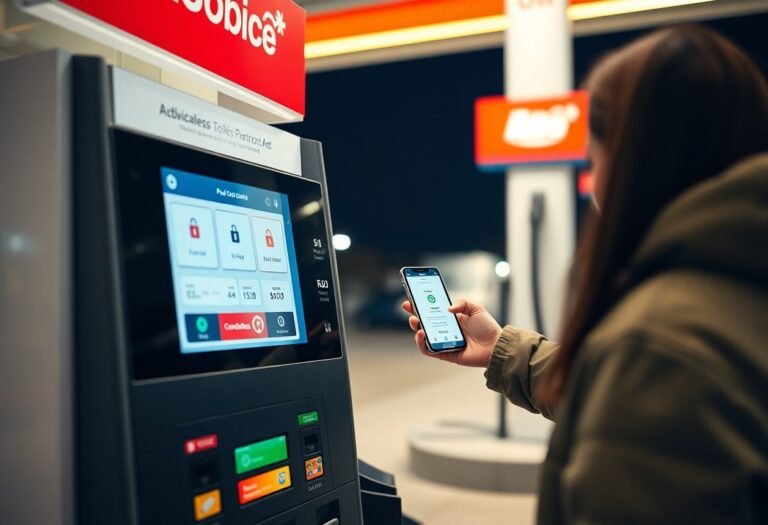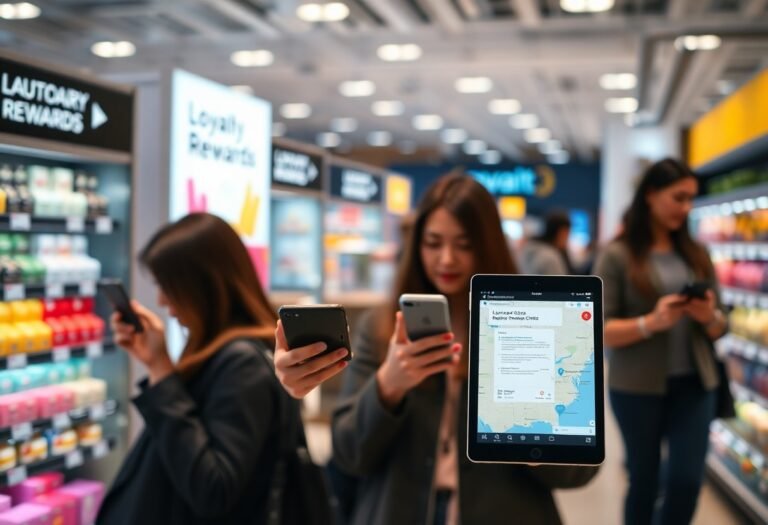



Service has evolved significantly in the food industry, transforming the landscape from traditional convenience stores to dynamic quick-service restaurants (QSRs). You’ll find that consumers now demand not only speed but also quality and variety, which creates both opportunities and challenges for food service providers. As you navigate this revolution, it’s vital to grasp how these changes impact your business strategies and customer expectations. Adapting to this new paradigm can lead to enhanced customer loyalty and increased profits.
The Evolution of Food Service
Historical Overview of Food Service Models
Food service has its roots in ancient civilizations, where communal dining and street vendors laid the groundwork for today’s diverse models. You may find it fascinating that in ancient Rome, thermopolia functioned as fast food outlets, allowing citizens to grab quick meals on the go. The complexity of food service grew during the Middle Ages with the establishment of inns and taverns, which catered to travelers seeking food and shelter. Your understanding of this history highlights how deeply ingrained the need for convenient food options has been throughout time.
As the industrial revolution took hold, food service began to formalize with the introduction of restaurants as we know them today in the 18th century. The French restaurant model emphasized service, menu variety, and atmosphere, setting a standard that laid the foundation for modern dining experiences. This gradual evolution reflects a growing desire for curated culinary experiences while still catering to social and practical needs, as you can see in the way dining establishments evolved from mere sustenance to places of community engagement.
Transition from Traditional Dining to Quick-Service
The shift from traditional dining experiences to quick-service restaurants (QSRs) accelerated post-World War II, primarily driven by changing consumer lifestyles and the expansion of automobile culture. Families began favoring convenience, and the emergence of fast food chains like McDonald’s in the 1950s revolutionized the industry. You can appreciate how these establishments simplified ordering and service, reducing sit-down meal times and providing a seamless experience that appealed to a fast-paced life.
By leveraging assembly-line techniques to expedite food preparation, QSRs transformed not only food preparation but also consumer expectations. As you navigate through urban environments, QSRs have become staples, feeding families on the go and shaping food culture to prioritize speed and efficiency without sacrificing quality.
The Rise of Convenience Culture
As consumer lifestyles evolved, the notion of convenience became paramount across various industries, including food service. You can link the rise of convenience culture to technological advancements, such as mobile apps that allow you to order meals at the touch of a button. This trend stems from your need for efficiency, particularly as hectic schedules and long work hours become the norm in modern life.
The demand for ready-to-eat meals and delivery options has surged, with estimates suggesting that the global food delivery market could exceed $200 billion by 2025. Quick-service brands are responding by enhancing their digital platforms and optimizing their supply chains to meet your expectations of immediate gratification without compromising on taste.
Understanding the rise of convenience culture is pivotal in recognizing why contemporary consumers favor instant satisfaction. Fast food, meal kits, and delivery services cater directly to your preferences, reshaping the landscape of dining and revealing just how significant convenience has become in your culinary choices.
The Role of Convenience Stores (C-Stores)
Definition and Functionality of C-Stores
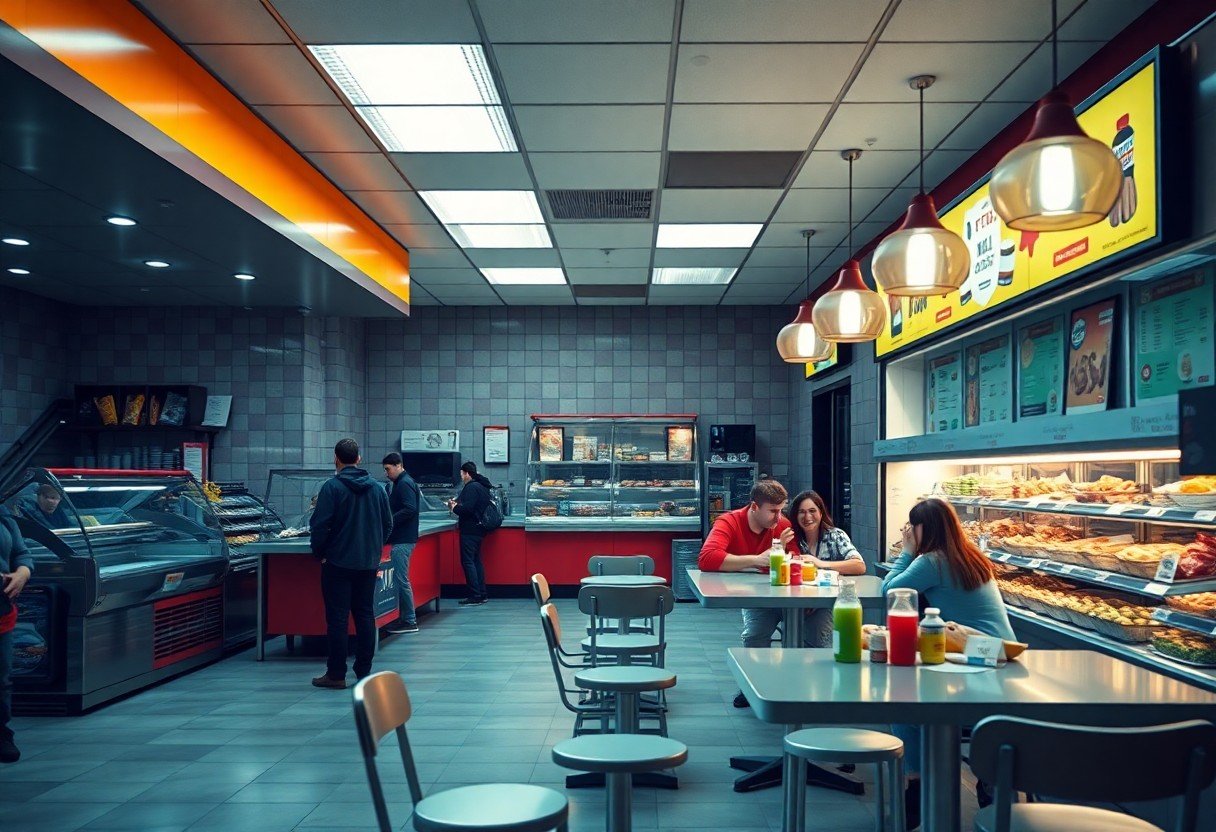
Convenience stores, or C-stores, are retail outlets that offer a wide range of everyday items, including snack foods, beverages, grocery products, and even prepared meals. Their primary function is to provide quick access to imperative products for customers who seek efficiency in their shopping experiences. Typically located in high-traffic areas, these stores cater to your need for immediate gratification, allowing you to grab imperatives on the go.
The layout of C-stores is designed for fast service, featuring a counter for transactions and easily accessible shelving. You’ll find that many C-stores operate extended hours, and many are open 24/7, making them a reliable option for late-night cravings or early-morning coffee runs. This flexibility in operation has made them a pivotal part of your day-to-day routine.
Product Offerings and Consumer Demographics
C-stores have expanded their product offerings beyond traditional snacks and beverages to include fresh foods, deli items, and even hot meals, catering to a diverse customer base. You are likely to encounter products that appeal to various demographics, such as healthy snack options for the health-conscious or quick meal solutions for busy professionals. With studies showing that around 30% of C-store customers are looking for fresh food, this can significantly shape inventory decisions.
Understanding your consumer demographics is key for C-stores. The typical C-store shopper is often a busy individual seeking convenience; however, the demographic varies widely from millennials on the hunt for organic snacks to families picking up last-minute meal ingredients. With that in mind, C-stores must adapt their offerings to address the preferences of these varied customer segments.
Innovations in C-Store Food Services
Innovation in C-stores has surged in recent years, significantly enhancing their food service capabilities. Many stores are now incorporating gourmet coffee stations, fresh deli counters, and even on-site food trucks to draw you in and provide an appealing dining option. For instance, some C-stores have partnered with local chefs to bring unique culinary experiences, transforming your perception of convenience food.
Another noteworthy trend is the integration of technology, where you can order food items via mobile apps, enabling you to customize your orders and skip the line. This shift not only provides convenience but also engages you more deeply with the brand, increasing customer loyalty. Systems such as kiosks for in-store ordering and touchless payment options have redefined transactional dynamics within C-stores.
With these innovations, C-stores are evolving from mere pit stops into gastronomic destinations that cater to today’s fast-paced lifestyle. You may find that they are not just places to grab a snack, but vibrant spaces that offer freshly prepared options to suit your diverse needs.
Quick-Service Restaurants (QSR)
Defining Characteristics of QSR
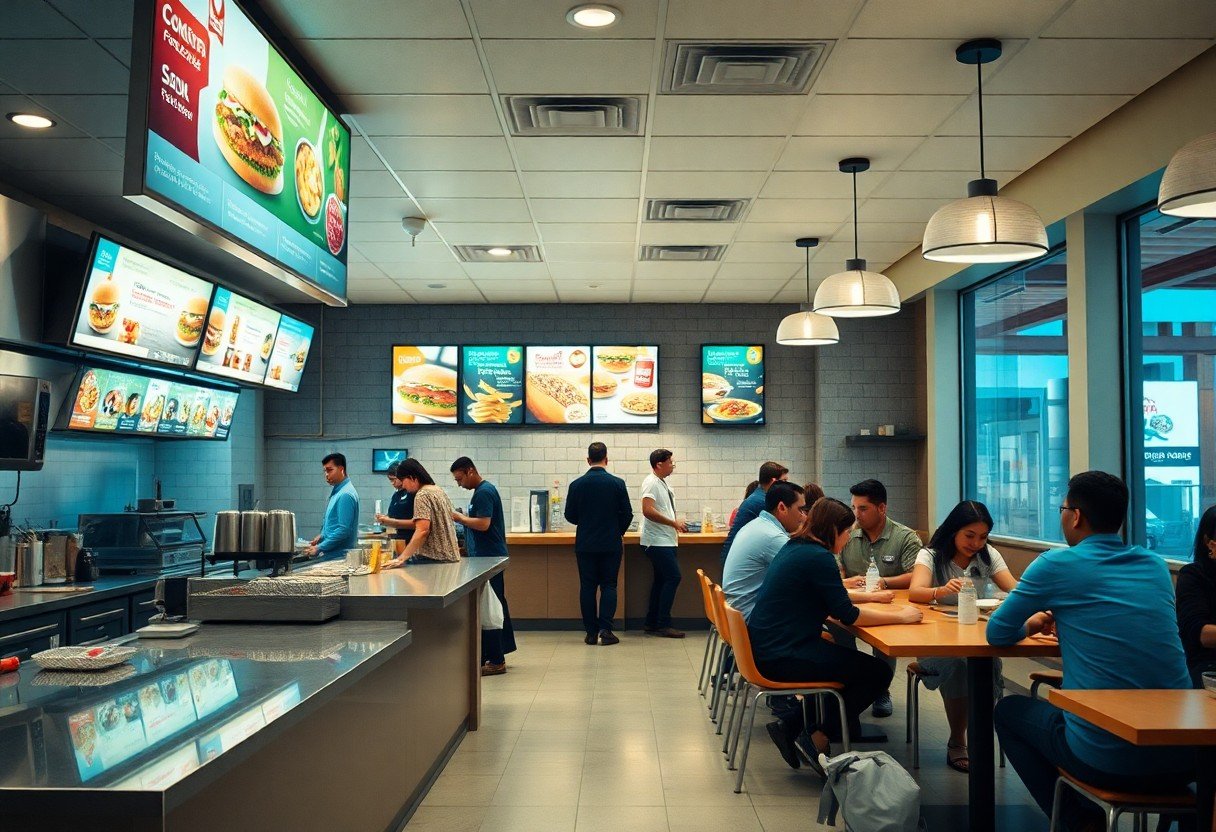
Quick-Service Restaurants, commonly known as QSRs, are characterized by their focus on fast service and affordability. Typically, these establishments offer a limited menu centered around items that can be prepared and served quickly, such as burgers, fries, and sandwiches. The essence of a QSR lies in its ability to deliver a meal within moments, catering to customers who prioritize speed and convenience over a leisurely dining experience. Make no mistake; operational efficiency and consistency are paramount in this model, ensuring that service remains smooth and predictable across various locations.
The pricing strategy of QSRs is often designed to be accessible, with many options available for under $10. Promotions, value meals, and loyalty programs are common tactics to attract repeat customers and maintain a competitive edge. Increasingly, QSRs are investing in technology, such as self-service kiosks and mobile ordering applications, to streamline operations and enhance customer experience.
Key Players in the QSR Market
The QSR market is highly competitive, populated by major players such as McDonald’s, Burger King, Subway, and Taco Bell, alongside regional chains and emerging brands. McDonald’s leads the pack, with over 38,000 locations globally, solidifying its status as the largest QSR. These key players not only set trends but also influence consumer preferences and operational standards within the industry. They continually adapt to changing market dynamics, implementing various strategies to capture a market share that increasingly encompasses health-conscious consumers looking for better options.
Alongside these giants, the rise of smaller chains and niche players targeting specific dietary needs or unique culinary themes has transformed the landscape. Concepts like plant-based offerings and global cuisine have gained traction, prompting established QSRs to diversify their menus to include these innovative options. This push for differentiation among key players highlights the evolving consumer expectations around food quality and variety.
Competitive Strategies (Pricing, Menu Innovation)
To thrive in the QSR space, competitive strategies around pricing and menu innovation are imperative. Many QSRs utilize value-driven pricing strategies, promoting combo meals and discounts to entice budget-conscious customers. At the same time, menu innovation keeps the offering fresh and appealing. Seasonal items, limited-time offers, and healthy choices are constantly introduced to capture customer interest and drive traffic. Brands like Taco Bell have mastered this with creative promotions tied to unique food items, resonating well with younger demographics.
Moreover, technological advancements have played a significant role in shaping competitive strategies. The implementation of online ordering and delivery platforms has allowed QSRs to tap into a broader customer base. By leveraging data analytics, these restaurants can tailor their menus and marketing efforts to align with consumer preferences, ensuring they remain relevant in an ever-changing market.
Consumer Preferences and Food Trends
Impact of Health Consciousness on Food Choices
Your food choices are increasingly influenced by a growing awareness of health and wellness. Consumers are prioritizing ingredients that offer nutritional benefits, leading to the rise of menu items that are low in calories, high in protein, and rich in vitamins and minerals. For example, a 2022 survey indicated that 70% of diners actively seek out healthier options when eating out. Quick-service restaurants (QSRs) are adapting to this trend by offering salads, whole grain options, and transparent nutritional information right on the menu.
This shift toward health consciousness is not just about individual choices; it has repercussions for entire menus. As more consumers opt for lighter fare, QSRs are challenged to innovate while ensuring that taste remains uncompromised. Items fortified with superfoods like quinoa and kale are making their way into mainstream offerings, showcasing that you can enjoy delicious meals while prioritizing your health.
Demand for Plant-Based and Ethnic Cuisines
Plant-based diets are no longer a niche market; they represent a significant movement in consumer eating habits. Many of you may find yourselves gravitating toward meat alternatives, spurred by ethical considerations, environmental impact, and perceived health benefits. In fact, reports show that over 30% of consumers are integrating more plant-based foods into their diets, prompting QSRs to expand their offerings. This trend includes everything from plant-based burgers to dairy-free ice creams, catering to an ever-growing demographic interested in sustainable food choices.
Moreover, the demand for ethnic cuisines is on the rise, as diverse flavor profiles become more mainstream. Globalization and travel have heightened your awareness and appreciation for international dishes, leading you to explore flavors that once seemed foreign. QSRs are now embracing ethnic-inspired menus with options like Mexican street corn bowls, Korean BBQ tacos, and Indian-inspired wraps, which not only diversify their offerings but also cater to a more adventurous palate.
By integrating both plant-based and ethnic options, QSRs can capture a wider audience, appealing to not just vegans and vegetarians but also flexitarians and anyone eager to experience new culinary delights. This opens opportunities for innovative marketing and menu collaborations that can broaden your eating experience.
Technology’s Role in Enhancing Consumer Experience
Technology has transformed your interactions with food services, making convenience and personalization paramount. Mobile ordering apps have surged in popularity, with data showing that 40% of customers prefer placing orders through their smartphones. This shift allows you to bypass long lines and empowers you to customize your meals effortlessly. Additionally, loyalty programs integrated into these apps personalize promotions, rewarding you for frequent purchases.
Artificial intelligence is also playing a pivotal role by optimizing menu recommendations based on your past ordering history, preferences, and dietary restrictions. QSRs are leveraging this tech to enhance the customer experience, ensuring that your visits are not only quick but also tailored to your tastes. With the integration of touchless payment systems and delivery options, convenience has never been more accessible.
As QSRs adopt smarter technology, they’re not just improving service speeds but fundamentally transforming how you interact with food. The continuous evolution of user interfaces makes it easy to explore new options while reinforcing brand loyalty with every click.
The Integration of Technology in Food Service
Online Ordering and Delivery Platforms
The rise of online ordering and delivery platforms has transformed how you interact with food service providers. Services like Uber Eats, DoorDash, and Grubhub have expanded options, allowing you to access a range of cuisines right from your smartphone. In fact, research indicates that approximately 70% of consumers have used a delivery service in the past year, emphasizing the pressure on QSRs to adapt quickly to this trend.
Integration with these platforms not only increases your access to diverse food offerings but also changes operational dynamics. QSRs that leverage these technologies can reduce wait times, streamline order processing, and effectively handle peak demand periods. By analyzing real-time data, restaurants can optimize inventory and reduce food waste, directly benefiting your overall dining experience.
The Role of Mobile Apps and Loyalty Programs
Mobile apps have become a central hub for your food service interactions, offering convenience and personalized experiences. Many QSRs now feature proprietary apps that enable you to order ahead, customize meals, and receive promotions tailored to your preferences. With over 50% of consumers indicating that they prefer mobile ordering, the shift towards app-based engagement has become crucial for retaining your loyalty.
Loyalty programs integrated into these apps enhance your relationship with brands by rewarding repeat purchases. Whether it’s earning points for free items or gaining exclusive access to new menu items, these programs incentivize your ongoing patronage. A study found that customers in loyalty programs visit their favorite QSRs 20% more often than those who are not members, illustrating the effective role of these features in driving sales.
Consequently, mobile apps serve as both a convenience tool and a powerful marketing instrument. By analyzing your purchasing behavior, QSRs can tailor offers that resonate with you, ensuring a more enjoyable experience that encourages additional visits.
Automation and Self-Service Kiosks
Automation through self-service kiosks is accelerating in the QSR sector, allowing you to place orders without traditional queues. These kiosks not only speed up the ordering process but also reduce human error, guaranteeing that your selections are captured accurately. In fact, reports show that locations using self-service kiosks have seen a 20% increase in sales due to more efficient service and an expanded menu visibility for customers.
The interactive nature of kiosks empowers you to customize your meal more intuitively, often leading to more significant add-ons like drinks or desserts. This trend is evident in chains such as McDonald’s, where the integration of kiosks has proven to enhance the overall customer experience.
Moreover, kiosks free up staff members to focus on food preparation and customer service, further enhancing efficiency in operations. By streamlining your ordering, they enable faster service times, which is increasingly critical in fast-paced dining environments.
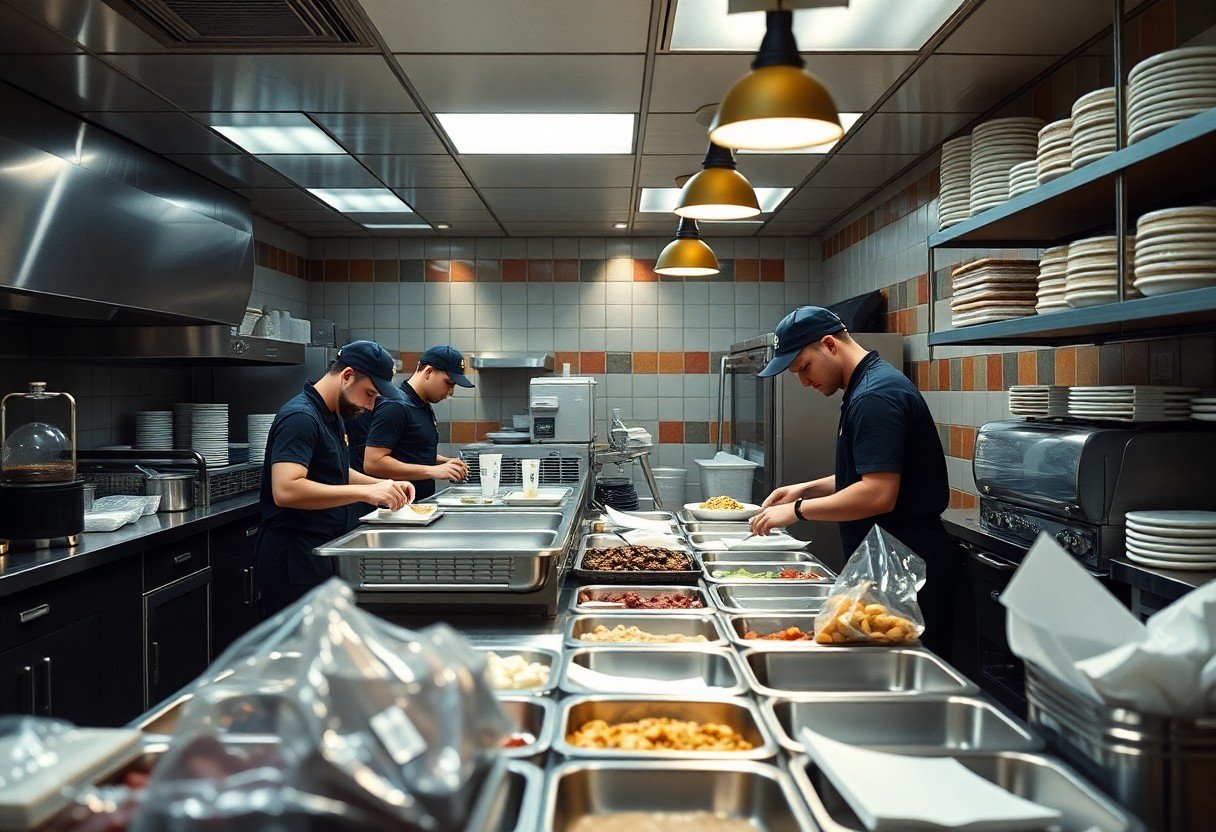
Challenges Facing Food Service Operators
Supply Chain Issues and Ingredient Sourcing
You are likely aware that supply chain disruptions have significantly impacted the food service sector. For example, recent global events have led to shortages of important items like beef and chicken, forcing operators to adapt menus and pricing strategies to reflect fluctuating supply. This can lead to increased food costs and a *potential decrease in customer satisfaction*, as your offerings may no longer include their favorite items.
Additionally, sourcing local ingredients has become more important. For many operators, this shift not only addresses supply chain vulnerabilities but also enhances community connections and supports sustainable practices. However, navigating the local sourcing landscape can present challenges, including seasonal availability and varying quality, which demands flexibility and ongoing relationship management with suppliers.
Labor Shortages and Workforce Management
The labor market has been fiercely competitive, as food service operators are battling to attract and retain staff. With *creation of over 1 million job openings* in the sector post-pandemic, your ability to provide competitive wages and benefits is paramount. Moreover, focusing on a positive work environment and opportunities for advancement can differentiate your establishment in a crowded market.
Effective workforce management strategies are important in this landscape. Implementing technology-driven scheduling tools and offering flexible shifts can improve employee satisfaction. You should also prioritize training and development programs, which contribute to staff retention and enhance service quality. By doing so, you position your food service operation for long-term success.
Understanding the importance of employee well-being can also help you combat turnover rates. By fostering an inclusive culture and promoting work-life balance, you can create a workspace that not only attracts talent but keeps them engaged and motivated to contribute to your goals.
Health and Safety Regulations Post-Pandemic
In the wake of the pandemic, health and safety regulations have become a top priority for food service operators. You must adapt to new guidelines that require rigorous sanitation protocols, such as frequent disinfecting of surfaces and proper food handling procedures. Compliance with the *Centers for Disease Control and Prevention (CDC)* recommendations ensures the safety of both your staff and customers while minimizing the risk of outbreaks.
Moreover, training employees on these updated practices is necessary to ensure adherence. Regular audit checks can support continuous improvement and help reinforce your commitment to health standards. By demonstrating a strong emphasis on safety, you can enhance your brand’s reputation and build customer trust, crucial for sustaining your operation in a challenging environment.
As regulations evolve, staying informed and proactive in addressing them will support your operational resilience. Adopting technology for health tracking and reporting can streamline compliance processes and available resources can help you navigate changes effectively, allowing your focus to remain on providing excellent service.
Future Outlook for Food Service Evolution
Emerging Trends and Innovations
You should keep an eye on several emerging trends that are reshaping the food service landscape. Increased integration of technology in the dining experience is becoming commonplace. For instance, many establishments are now utilizing AI-driven services to enhance customer interactions and streamline operations. From automated ordering kiosks to smart kitchen equipment, technology enhances efficiency and can cater to individual customer preferences, improving overall satisfaction.
Another significant trend is the rise of plant-based and alternative proteins. You will find that many fast-casual restaurants are now adding flexitarian options to their menus to align with the increasing consumer shift towards health and sustainability. This transition not only addresses dietary preferences but also taps into a growing market segment, encouraging more establishments to innovate their offerings with these ingredients.
Sustainability Practices in Food Service
Sustainability is now a fundamental aspect of the food service sector. You may notice that businesses are increasingly adopting local sourcing, minimizing their carbon footprint, and prioritizing organic ingredients. This shift is more than just a trend; it reflects a deeper commitment to environmental stewardship. For example, some restaurants are now utilizing vertical farming techniques to produce their herbs and greens, significantly reducing transport emissions and ensuring freshness.
In addition to sourcing, many establishments are also focusing on waste reduction strategies. Implementing practices like composting, recycling, and donating unused food is becoming standard. These initiatives not only benefit the planet but also resonate with consumers who prioritize responsible dining options.
Predictions for the Next Decade in Food Services
Looking ahead, you can expect the food service industry to undergo profound changes driven by both technology and shifting consumer demands. The continued rise of ghost kitchens, which allow for food delivery without a traditional dine-in space, will likely expand, maximizing efficiency and reducing overhead costs. As delivery technology advances, including the use of drones and automated vehicles, your delivery experience will become faster and more reliable.
Additionally, the next decade will likely see a consolidation of health-conscious options across menus. You will witness restaurants increasingly offering transparency regarding their ingredients’ sourcing and nutritional information. This focus on health and wellness will create competitive differentiation, as consumers favor establishments that prioritize responsible and nutritious choices.
As operators adapt to these shifts, staying abreast of technological advancements and consumer expectations will be key. Those who effectively integrate innovation with sustainability will not only attract a broader clientele but also solidify their position in an ever-evolving market.
To wrap up
Conclusively, you can observe that the evolution from convenience stores to quick-service restaurants (QSR) has fundamentally transformed the food service landscape. This shift not only provides you with a wide array of dining options but also enhances your overall experience through increased accessibility and quality. As you navigate this evolving industry, you will appreciate the growing emphasis on freshness, flavor, and customer engagement.
Your understanding of this revolution enables you to make informed choices that align with your lifestyle and preferences. As QSRs continue to innovate and adapt to consumer demands, you will benefit from emerging trends such as technology integration and health-conscious offerings. Embrace these changes, as they represent a dynamic future in food service that prioritizes both convenience and quality in your dining experiences.