

Egypt’s oil and gas ports are stepping into a new era of digital transformation, where automation and smart technologies are reshaping the backbone of the country’s upstream energy sector. From the Mediterranean to the Nile Delta, ports are embracing digital tools that promise faster, safer, and more efficient logistics for petroleum operations.
What Happened
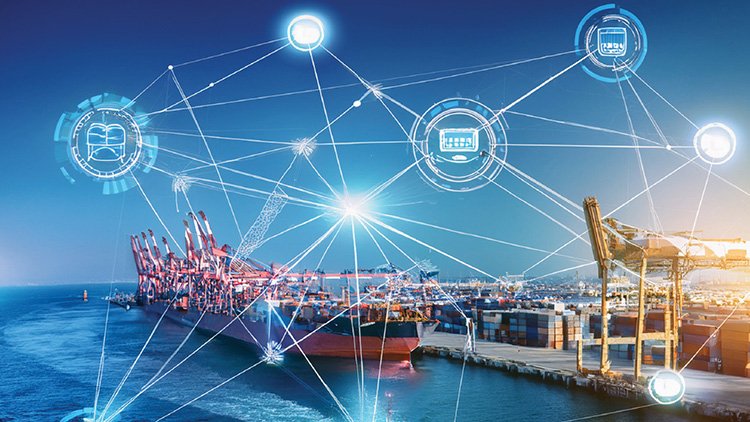
Egypt’s major oil and gas ports are undergoing a sweeping modernization, integrating automation, digital data sharing, and advanced operational systems. The upgrades are part of a broader national push to digitize the energy sector, with new platforms and unified digital systems connecting petroleum ports, LNG terminals, and logistics centers.
Projects in the Suez Canal Economic Zone, including East Port Said and Ain Sokhna, are being developed with digital infrastructure tailored for oil and gas handling, offshore supply vessels, and hydrocarbon storage. When fully connected, these ports will form a digital logistics corridor linking the Mediterranean and the Red Sea.
Why It Matters
The digital transformation of Egypt’s energy ports is more than a technological upgrade—it’s a strategic move to position the country as a central hub for regional energy trade, liquefaction, and re-export. By streamlining upstream logistics, Egypt is enhancing its global competitiveness and attracting investment in its energy infrastructure.
Smart scheduling systems and automation are optimizing LNG cargo handling, berth allocation, and energy monitoring, while digital coordination with offshore supply chains is improving safety and response times. These changes are vital for supporting the country’s expanding upstream activities and export ambitions.
Regional Impact
Ports like Damietta, Idku, Abu Qir, Rosetta, Ras El Bar, and Dekheila are leading the charge, serving as regional examples of how digitalization can redefine energy logistics. Their efforts are creating a digital backbone for Egypt’s upstream and export infrastructure, reinforcing the country’s role as a key player in the global energy market.
Key Details
The modernization drive is supported by government initiatives and cross-sector collaboration. The Ministry of Petroleum and Mineral Resources has launched platforms to digitize exploration and production data, while the Ministry of Transport is working to unify digital systems across the port network.
These digital upgrades are not just about efficiency—they are also improving environmental performance and operational safety, with real-time data integration and advanced monitoring systems. The integration of smart technologies is enabling faster documentation cycles, reduced costs, and streamlined customs operations.
Technology in Action
- Smart scheduling systems optimize LNG cargo handling and berth allocation.
- Automation supports efficient LNG loading and energy monitoring.
- Digital coordination enhances safety and response times with offshore supply chains.
- Unified digital platforms link ports, terminals, and logistics centers for seamless operations.
What Comes Next
As Egypt’s smart port projects continue to roll out, the country is poised to become a leading energy and logistics hub for the region. The ongoing expansion of digital infrastructure and the adoption of cutting-edge technologies will further strengthen Egypt’s position in the global energy market.
The transformation of Egypt’s oil and gas ports into smart, data-driven gateways marks a pivotal moment for the nation’s energy infrastructure. With continued investment and innovation, these ports will remain vital enablers of Egypt’s ambition to lead in regional energy trade and logistics.