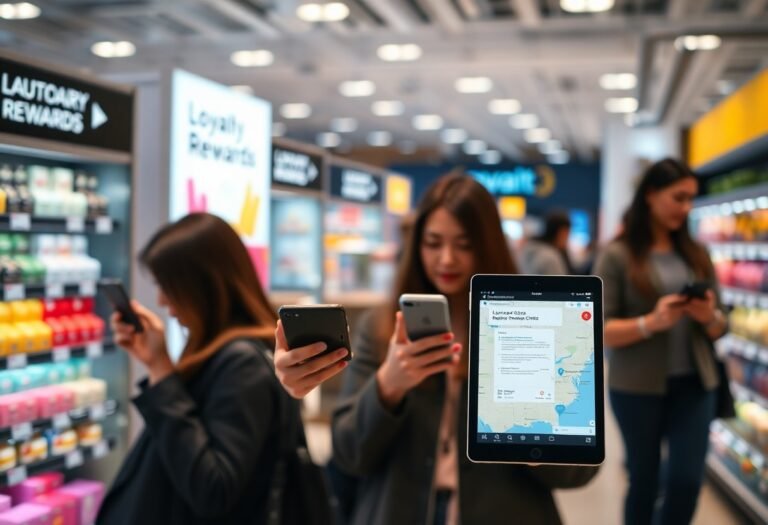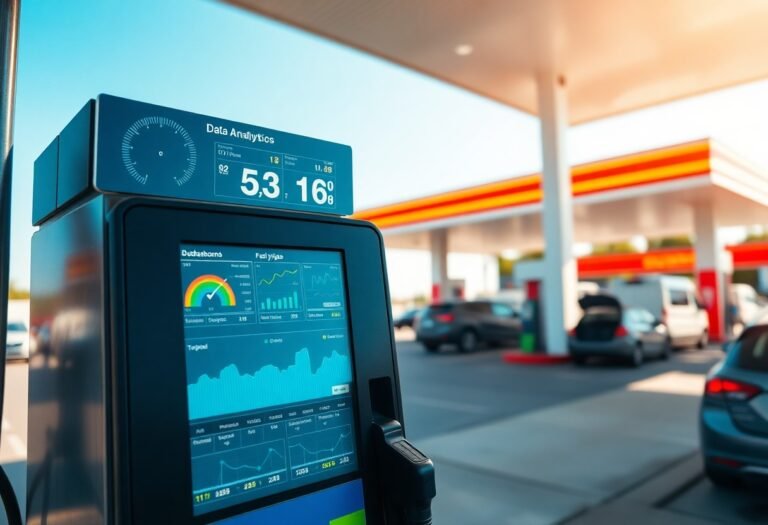



Most drivers are looking for ways to maximize their rewards and save money on fuel, making well-designed loyalty programs necessary for keeping you engaged. These programs not only enhance your experience at the pump but can significantly boost your savings with targeted rewards, personalized offers, and seamless integration into your driving habits. By understanding what makes a loyalty program effective, you can make informed choices that lead to consistent benefits and a higher level of satisfaction during your journeys.
Understanding Loyalty Programs
Definition and Purpose
Loyalty programs are structured marketing strategies designed to encourage customers to continue buying a brand’s products or services. They aim to enhance customer retention by providing rewards, discounts, and exclusive offers. These programs foster a sense of connection and community among users, making them feel appreciated and valued, which in turn prompts repeat business.
The primary purpose of these initiatives is to boost customer lifetime value (CLV). By incentivizing users to return, companies can increase both sales and brand loyalty. The effectiveness of loyalty programs lies in their ability to offer tangible benefits that resonate with you, such as earning points that can be redeemed for future purchases or rewards that elevate your overall experience.
Types of Loyalty Programs
Loyalty programs can be categorized into several types, each tailored to meet different customer needs and business objectives. Points-based programs reward you with points for every purchase you make, which can be accumulated and redeemed for discounts or gifts. Tiered programs offer varying levels of rewards based on your spending, incentivizing you to reach the next tier for better benefits. Another category includes coalition programs, where multiple businesses collaborate to offer combined rewards, providing greater flexibility and value to you. Lastly, subscription-based programs charge a fee for premium benefits like exclusive access or faster rewards.
- Points-based programs reward purchases
- Tiered programs incentivize spending levels
- Coalition programs combine rewards from multiple businesses
- Subscription programs provide premium access
- Customer referral programs offer benefits for bringing in new users
| Loyalty Program Type | Description |
| Points-based | Earn points for purchases |
| Tiered | Reap benefits based on spending levels |
| Coalition | Join rewards from various businesses |
| Subscription | Pay for enhanced benefits |
| Referral | Invite friends for rewards |
Understanding these types of loyalty programs can help you decide which ones align with your shopping habits. For instance, if you often shop at different stores, a coalition program might be more beneficial for you, allowing you to accumulate rewards from various sources. Alternatively, if you tend to stay loyal to a specific brand, a tiered program could offer you the best rewards as you invest in that brand.
- Personalization enhances customer experience
- Surveys gather customer feedback
- Mobile apps streamline access to rewards
- Gamification increases engagement
- Data analytics improve program effectiveness
| Methods to Enhance Programs | Benefits |
| Personalization | Improves customer relationships |
| Surveys | Encourages customer involvement |
| Mobile apps | Makes rewards easily accessible |
| Gamification | Makes the experience fun |
| Data analytics | Targets marketing efforts |
Historical Background
The concept of loyalty programs dates back to the late 18th century with the introduction of trading stamps. Retailers offered stamps with purchases, which customers could collect and redeem for goods. This simple model evolved, gaining traction throughout the 20th century as businesses sought new ways to foster loyalty amidst rising competition. By the 1980s, credit card companies and airlines began implementing more sophisticated programs, establishing the foundation for modern loyalty initiatives.
In the digital age, technology reshaped these programs, allowing for personalization and automation. The rise of data analytics enabled companies to tailor rewards specifically to user behaviors, enhancing customer engagement. As a result, today’s loyalty programs are far more complex and adaptable, driving more significant customer retention and satisfaction than ever before.
The Psychology Behind Loyalty
Emotional Engagement
Your connection with a brand often goes beyond mere transactions. Emotional engagement plays a significant role in loyalty programs that succeed. When you feel an emotional tie to a company, whether because of shared values or positive experiences, you’re more likely to return. Consider the community events or exclusive rewards that resonate deeply; these initiatives facilitate a sense of belonging that transcends price alone.
For example, brands like Starbucks have mastered this tactic by cultivating a culture that not only rewards purchases but also connects customers through personalized experiences. Their app showcases your preferences, creating an environment where you feel recognized and valued, ultimately strengthening your loyalty.
Incentivizing Repeat Behavior
Incentives can significantly influence your decision to return to a brand consistently. Loyalty programs that offer rewards for each purchase encourage you to buy more frequently. For instance, tiered reward systems motivate you to reach new levels of benefits, making you feel that every transaction counts towards a larger goal.
In addition, the psychological principle of “loss aversion” suggests that you are more driven to avoid losing out on anticipated rewards than to gain rewards. A program that emphasizes limited-time offers on points or bonuses can effectively stimulate quicker decision-making, urging you to act before the opportunity expires.
Building Trust and Credibility
Trust is a cornerstone of any successful loyalty program. When a brand consistently delivers on its promises, it builds a solid foundation of credibility. You not only want assurance that your rewards will be honored but also that your personal information will remain safe. Brands that prioritize transparency and customer service enhance this trust, making you feel secure in your loyalty.
Consider how programs like Amazon Prime thrive on this principle; by guaranteeing fast shipping and a hassle-free return policy, they create a reliable shopping experience that keeps you coming back for more.
Moreover, the ongoing communication and feedback loop establish a two-way relationship. By encouraging you to share your experiences and addressing any concerns promptly, brands can foster a deeper bond that drives long-term loyalty.
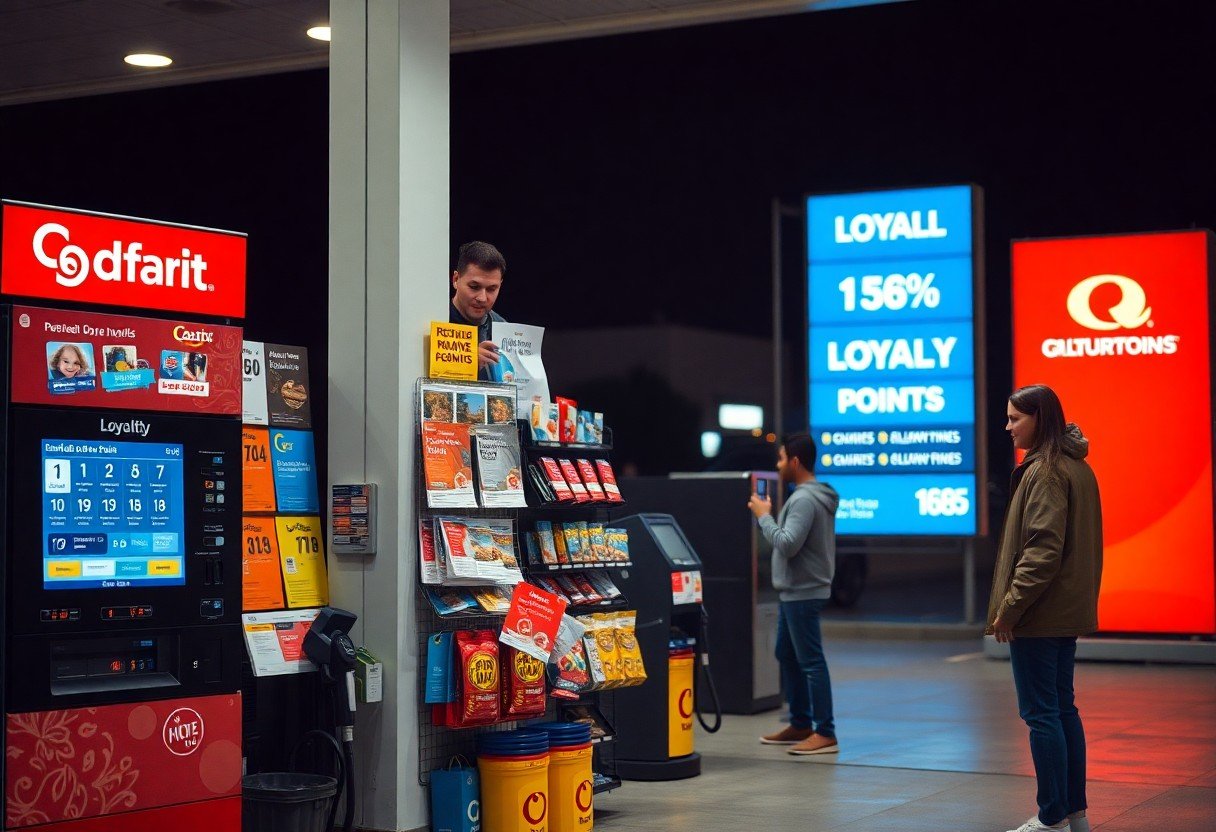
Key Elements of Successful Loyalty Programs
Clear Rewards Structure
A transparent rewards structure is imperative for any loyalty program. You should understand exactly what you need to do to earn rewards, whether it’s miles driven, gallons purchased, or specific purchases. For example, some programs offer a tiered system where driving a certain number of miles or spending a set amount unlocks higher levels of rewards, such as discounts on future gas purchases or free items at partnering convenience stores.
This clarity not only encourages participation but also fosters trust. When you can see exactly how many points you’ve accumulated and what they equate to in rewards, your motivation to stay engaged increases significantly. Programs like the ones offered by major airlines illustrate how effective this can be by allowing members to see their miles and rewards balance in real time.
Easy Enrollment Process
Joining a loyalty program should feel effortless. An intuitive enrollment process helps you quickly start earning rewards without unnecessary hurdles. Ideally, enrollment can occur through multiple channels, such as in-app, on a website, or in-store. Redefining this process can result in higher participation rates and increased customer retention.
Moreover, minimizing the information required for initial registration makes it more appealing. For instance, asking only for an email and a phone number can significantly increase sign-up rates, as lengthy forms often deter potential loyal customers.
Additionally, consider offering immediate benefits upon joining, such as a welcome bonus. This tactic can effectively pique your interest and create an instant payoff, encouraging quicker adoption and ongoing engagement.
Personalized Customer Experience
The effectiveness of a loyalty program greatly hinges on a personalized experience. By tailoring rewards and communication to your preferences, a brand can significantly enhance your engagement. For instance, if your purchase history indicates you frequently buy snacks while fueling, receiving targeted offers for your favorite items makes the program feel more relevant and rewarding.
Moreover, leveraging data analytics allows brands to recognize patterns in your behavior, ensuring that offers reflect your specific needs and desires. Programs that implement these strategies, such as personalized discounts or recommendations, tend to see higher customer satisfaction and loyalty rates.
Ultimately, the goal is to create a feeling of exclusivity, where you feel like the brand is catering specifically to your preferences and habits, making your loyalty more meaningful.
Multi-Channel Accessibility
In today’s digital age, you expect multi-channel accessibility when participating in loyalty programs. The ability to access and redeem rewards easily across various platforms—whether through a mobile app, website, or in-store—is vital. If it’s cumbersome to check your points balance or redeem rewards, you’re less likely to engage consistently.
Successful loyalty programs ensure that you can interact with them seamlessly, regardless of the channel you choose. For example, the Starbucks Rewards program excels in this area by allowing customers to earn and redeem points through their mobile app, in-store purchases, or online orders, making every interaction convenient and user-friendly.
Effective multi-channel strategies enhance your experience significantly, providing you with ongoing access to the program whenever and wherever you need it.
Case Studies of Effective Loyalty Programs
- Company A: Fuel Rewards Program – Increased customer retention by 20% over 12 months through tiered rewards based on annual spending.
- Company B: Points and Perks – Added 50,000 new users within six months after launching a mobile app, allowing for easy points management.
- Company C: Referral Bonuses – Achieved a 30% increase in new customer acquisition through a referral program, leading to a 40% boost in overall sales.
- Company D: Membership Clubs – Gained 15% more frequent visits from members, showing that exclusive access and discounts on fuel worked well.
Program 1: Overview and Strategy
Company A implemented a fuel rewards program that features tiered rewards based on annual spending. This program allows participants to unlock various levels of benefits, starting with a small percentage off fuel prices and scaling up to significant savings and exclusive promotions. By analyzing customer data, Company A discovered that targeted offers resulted in a 15% increase in purchases from high-tier customers, proving the power of tailored incentives.
The strategy not only focused on monetary rewards but also aimed at creating a community around shared benefits. By introducing limited-time offers and special events, Company A cultivated a sense of urgency and excitement, contributing to the 20% increase in customer retention over the past year. This layered strategy ensured that customers felt appreciated while also keeping them engaged.
Program 2: Customer Feedback and Outcomes
Company B’s loyalty program included a mobile app that facilitated easy point redemption and tracking. After launching the app, they actively sought customer feedback through surveys and in-app prompts, learning crucial insights about user experience. Clients reported a 90% satisfaction rate with the user interface, which led to higher retention rates.
The feedback gathered allowed Company B to refine its offerings and address any potential hurdles swiftly, leading to improved engagement. The result was an impressive 50,000 new users within just six months, showcasing the value of listening to your customer base.
Additionally, Company B found that users who frequently interacted with the feedback mechanism were more likely to engage with other promotions, enforcing the idea that ongoing communication can lead to enhanced loyalty and increased customer lifetime value.
Program 3: Innovative Techniques Used
Company C leveraged unique techniques by incorporating social media incentives into their referral program. Instead of traditional referral mechanics, they encouraged users to share their experiences online, offering bonuses for every new customer they brought in through social sharing. This not only expanded their reach but also generated authentic testimonials from existing customers, enhancing credibility.
As a result of this innovative approach, Company C experienced a 30% increase in new customer acquisitions. The referral bonuses, combined with engaged social media campaigns, led to an unprecedented 40% boost in overall sales, showcasing the effectiveness of blending social media strategies with loyalty initiatives.
Breaking from conventional methods, Company C’s strategy demonstrated how modern technology and social engagement can create a sense of community, propelling brand loyalty even further.
Implementing a Loyalty Program
Identifying Your Audience
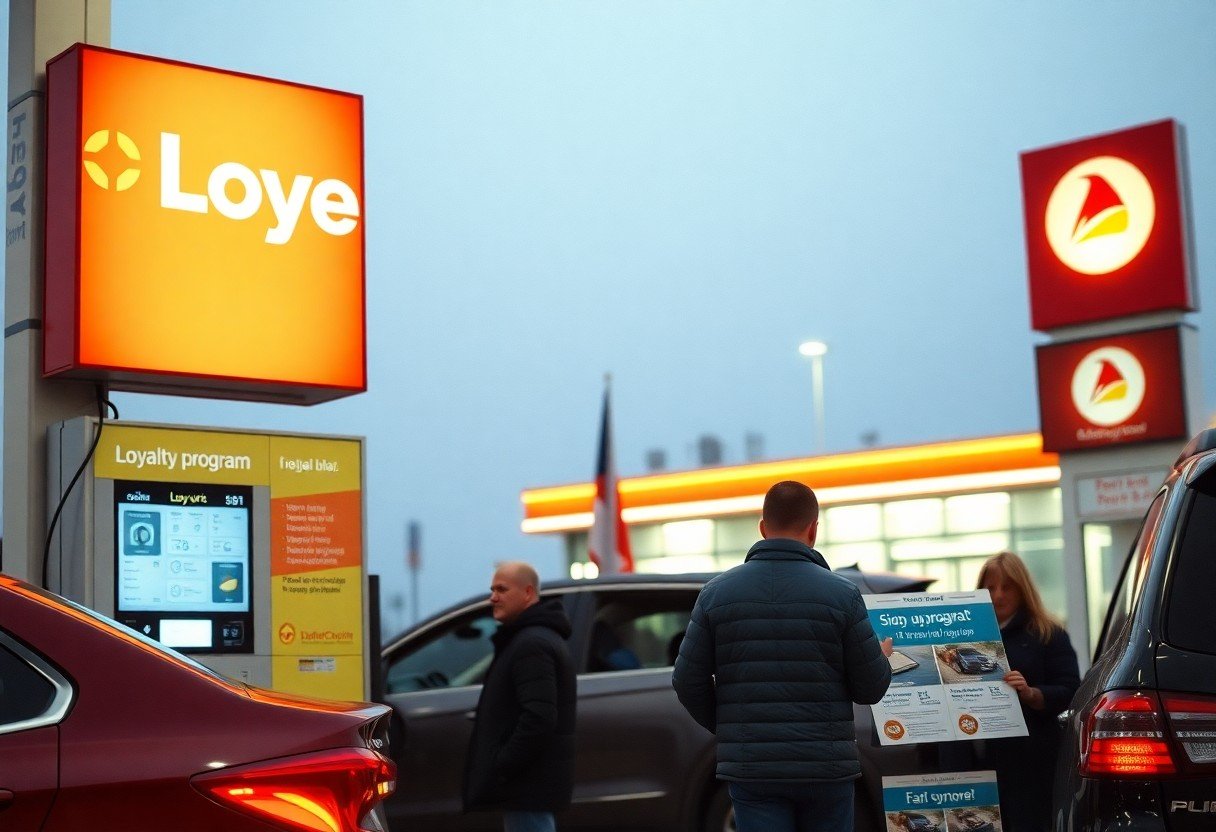
Understanding your audience is the foundation of a successful loyalty program. Begin by analyzing customer demographics, purchasing behavior, and preferences. You might find that certain segments, like urban commuters or families, show distinct buying patterns. Tailor your loyalty offerings to meet these specific needs; for instance, busy urban drivers might appreciate rewards for quick service, while families may value discounts on larger purchases or fuel incentives during road trips.
Utilize surveys, feedback forms, and data analytics to gain insights into your customers’ motivations. This intelligence allows you to personalize communication and rewards, making your program feel relevant and engaging. A well-defined audience helps in designing a program that resonates with your customers, increasing participation and long-term loyalty.
Setting Objectives and Goals
Defining clear objectives and goals is vital for the effective implementation of your loyalty program. What do you aim to achieve? Common goals include increasing customer retention, enhancing average transaction value, or boosting the frequency of visits. By setting measurable targets, such as a 15% increase in repeat customers over six months, you create a roadmap for success.
Consider not only quantitative goals but qualitative ones as well, such as improving customer satisfaction or brand awareness. Aligning these goals with your overall business strategy ensures that the loyalty program contributes to your broader objectives, creating a solid framework for performance evaluation.
Goals should be realistic yet challenging, pushing your team to innovate while staying attainable. Regularly reviewing these benchmarks will help you gauge progress and adjust strategies as needed.
Choosing the Right Technology
Integrating the right technology is pivotal for a seamless loyalty program experience. You need a platform that can track customer participation and rewards while providing robust analytics to understand performance metrics. Look for user-friendly solutions that can integrate with your existing systems, such as point-of-sale systems or mobile apps, allowing for real-time data exchange and customer engagement.
Options like mobile apps or online portals not only enhance the customer experience but also offer you insights into customer preferences and behaviors. For example, you might utilize geolocation technology to send targeted offers when customers are near your locations, increasing the likelihood of engagement.
A flexible technology stack is vital. It allows you to scale and adapt your loyalty offerings based on customer feedback and changing market trends, ensuring your program remains relevant and effective over time.
Measuring Success and Adaptation
Regularly evaluating your program’s success ensures that you remain aligned with your objectives. Use key performance indicators (KPIs) like customer retention rates, redemption rates, and customer lifetime value to assess effectiveness. Conduct regular reviews to identify trends and areas for improvement, enabling you to fine-tune your loyalty strategy accordingly.
Consider gathering customer feedback through surveys and direct communication. This information can reveal what aspects of your program resonate with customers and what might need revision. Staying responsive to customer input demonstrates your commitment to their needs, which can further enhance loyalty.
Utilizing analytics tools can help you adapt in real time, ensuring that your loyalty program evolves based on performance data and customer behavior. Such adaptability can be key to maintaining customer interest and ensuring long-term success.
Common Pitfalls to Avoid
Overcomplicating Reward Structures
Your loyalty program needs to be simple and straightforward. When you introduce too many tiers, complicated point systems, or obscure redemption rules, you risk alienating your customers. A study found that 70% of customers abandon a loyalty program due to complicated rules. Clear criteria for earning rewards and straightforward ways to redeem them can enhance participation and satisfaction.
Avoid creating a labyrinth of options that only confuses your audience. Instead, design a system that is easy to understand and engage with. For instance, consider a straightforward model where customers earn a fixed percentage of their purchases back as points, which can be redeemed easily for discounts or free services. This approach fosters trust and encourages repeat engagement.
Ignoring Customer Feedback
Listening to your customers is paramount. Ignoring their feedback can lead you to miss vital insights into what your program is lacking. Regularly soliciting input through surveys and feedback forms can provide your customers with a sense of ownership and involvement in your loyalty program’s evolution. Companies that seek and respond to feedback see up to a 30% increase in customer retention rates.
If you fail to acknowledge what your customers want, you risk offering rewards that do not resonate with them, diminishing the program’s effectiveness. For example, if many customers express a preference for family-oriented rewards, but you only provide discounts for individual services, you miss an opportunity to cater to a broader audience.
Inadequate Promotion and Awareness
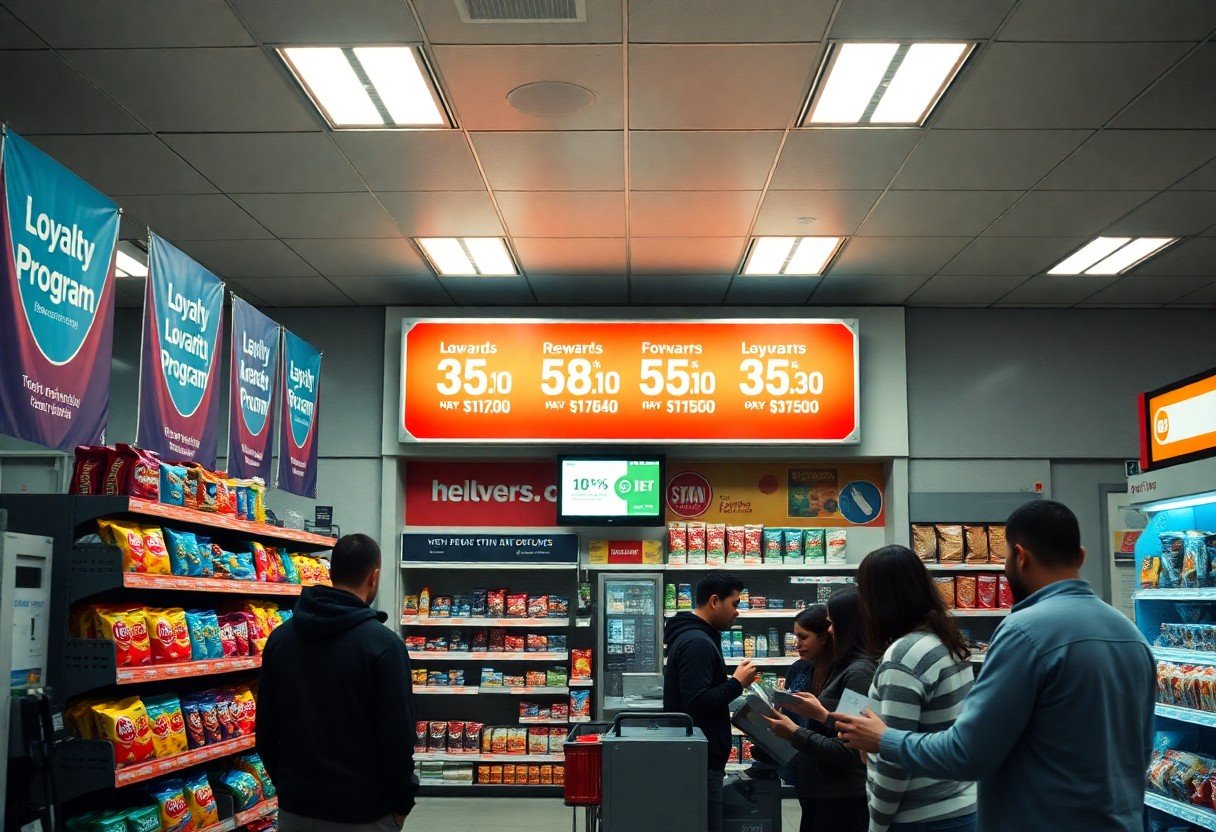
Promoting your loyalty program is necessary for maximizing its reach. Without adequate marketing, even the best you have created may go unnoticed. It’s important to leverage various channels such as social media, email newsletters, and in-store signage to raise awareness among your customers. Studies show that programs with robust promotional strategies achieve 25% more enrollment than those that don’t invest in marketing efforts.
Utilizing influencers and testimonials can also contribute significantly. Craft engaging stories about how your loyalty program has positively impacted customers’ experiences. This not only builds trust but also creates a community atmosphere that encourages new sign-ups while motivating existing members to engage regularly.
Inadequate Promotion and Awareness
Neglecting to consistently promote your loyalty program can lead to decreased participation and loyalty. Ensure all your employees are trained to communicate the benefits of your program effectively during customer interactions. Regular notifications about program updates, benefits, and success stories are vital to keeping your customers informed and engaged.
Final Words
To wrap up, effective loyalty programs are designed with your preferences and needs in mind. By offering tangible rewards and consistently engaging experiences, you not only enhance your relationship with drivers but also encourage repeat business. Timing and communication are key; ensuring that your rewards are accessible and clearly communicated makes it easier for drivers to stay connected with your brand.
Moreover, integrating technology can streamline the experience, allowing you to gather valuable insights about your drivers’ habits and preferences. This data enables you to personalize offers, making your loyalty program more appealing and effective. Ultimately, when you invest in a thoughtful loyalty program, you foster a sense of community among your drivers, leading to increased retention and satisfaction.