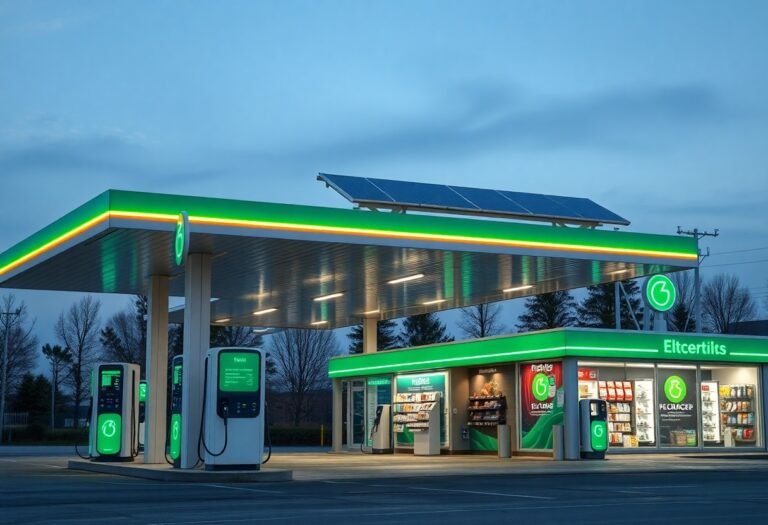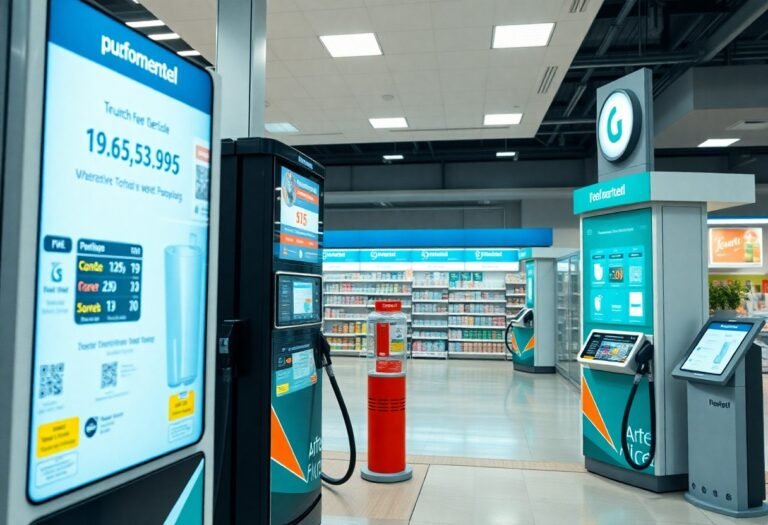



Most businesses in the Middle East are embracing digital transformation, revolutionizing fuel retail operations. You will discover how innovative technologies like mobile apps, IoT, and AI analytics are enhancing customer experiences and operational efficiency. This case study highlights successful strategies adopted by regional companies and the challenges they face amid rapid market changes. By understanding these dynamics, you can navigate the evolving landscape and leverage these advancements for your own business growth.
Understanding Digital Transformation
Definition of Digital Transformation
Digital transformation refers to the comprehensive adoption of digital technologies by businesses to fundamentally change their operations, customer interactions, and value propositions. It encompasses not just technology upgrades, but a shift in organizational culture and business processes, enabling you to leverage data analytics, cloud computing, and AI to enhance decision-making and innovation.
In fuel retail, digital transformation can manifest in various ways, from implementing automated fueling stations to adopting real-time inventory tracking systems. By embracing technologies like IoT and blockchain, you can improve operational efficiency and transparency, creating a more agile framework for your business.
Importance in the Retail Sector
The retail sector has become increasingly competitive, and digital transformation empowers you to stay ahead of the curve. Adaptations to your business model can lead to improved customer engagement through personalized services, streamlined operations, and enhanced supply chain management. With the rise of e-commerce, consumers expect seamless, omnichannel experiences, and digital transformation equips you to meet these expectations.
Moreover, data-driven insights are imperative in guiding strategic decisions. For instance, implementing customer analytics can help you tailor promotions and inventory management based on real-time buying behaviors, ultimately enhancing your bottom line.
Investing in digital tools allows you to respond swiftly to market changes, meeting consumer demands while optimizing operational costs. You can implement loyalty programs, mobile apps, and online ordering systems to reinforce customer relationships, significantly impacting retention and sales growth.
Global Trends in Digital Transformation
Globally, companies across sectors are significantly investing in digital transformation to enhance operational efficiency and customer experience. In the retail landscape, you’re likely to observe trends such as the increased integration of Artificial Intelligence for predictive analytics and automated customer service. For example, companies like Amazon have pioneered the use of AI to personalize shopping experiences, enabling you to leverage similar technologies.
Moreover, the adoption of mobile payment solutions and e-commerce platforms continues to rise, reshaping how consumers make purchases. Digital wallets are expected to account for over 50% of all online transactions by 2025, making it imperative for you to adapt your payment systems to meet this demand.
This worldwide shift reflects a broader tendency toward a more connected, consumer-driven marketplace. As organizations globally harness advanced technologies, your ability to remain competitive will heavily depend on your willingness to embrace these trends proactively.
The Middle East Fuel Retail Market
Overview of the Fuel Retail Sector
The fuel retail sector in the Middle East has experienced significant growth, primarily driven by the region’s vast hydrocarbon resources. With countries like Saudi Arabia, UAE, and Qatar ranking among the top oil producers globally, the availability of fuel contributes to a well-established network of retail stations. In fact, you will find oil companies operating extensive fueling networks that cater to an increasing number of vehicles on the road, reflecting the region’s rising demand for transportation fuels.
Furthermore, innovative technologies are redefining the consumer experience within the fuel retail market. You may notice that stations are integrating digital solutions like mobile payment systems and app-based services, enhancing convenience for customers. The ongoing push for sustainability also means players are beginning to incorporate alternative fueling options, like compressed natural gas (CNG) and electric vehicle (EV) charging stations, into their offerings.
Key Players in the Middle East
In the competitive landscape of the Middle East fuel retail market, key players include national oil companies such as Saudi Aramco, ADNOC, and Qatar Petroleum, alongside numerous international firms. These companies frequently emphasize customer-centric services, investing in loyalty programs and digital platforms to engage your decision-making process when refueling. Moreover, the privatization of fuel retailing has allowed new entrants to emerge, diversifying options available to you.
One notable player is Saudi Aramco, which recently expanded its retail footprint by introducing new convenience stores and expanded service offerings throughout gas stations. On the other hand, ADNOC has also become a key competitor by introducing unique services such as home delivery for fuel, allowing for greater convenience and adaptability to consumer needs.
Challenges Faced by the Industry
Regulatory compliance and environmental sustainability are additional challenges that you should remain aware of. Stricter emissions regulations and heightened consumer expectations around eco-friendly practices demand that retailers invest heavily in infrastructure upgrades and alternative fuel offerings, which can stretch your operational budgets thin.
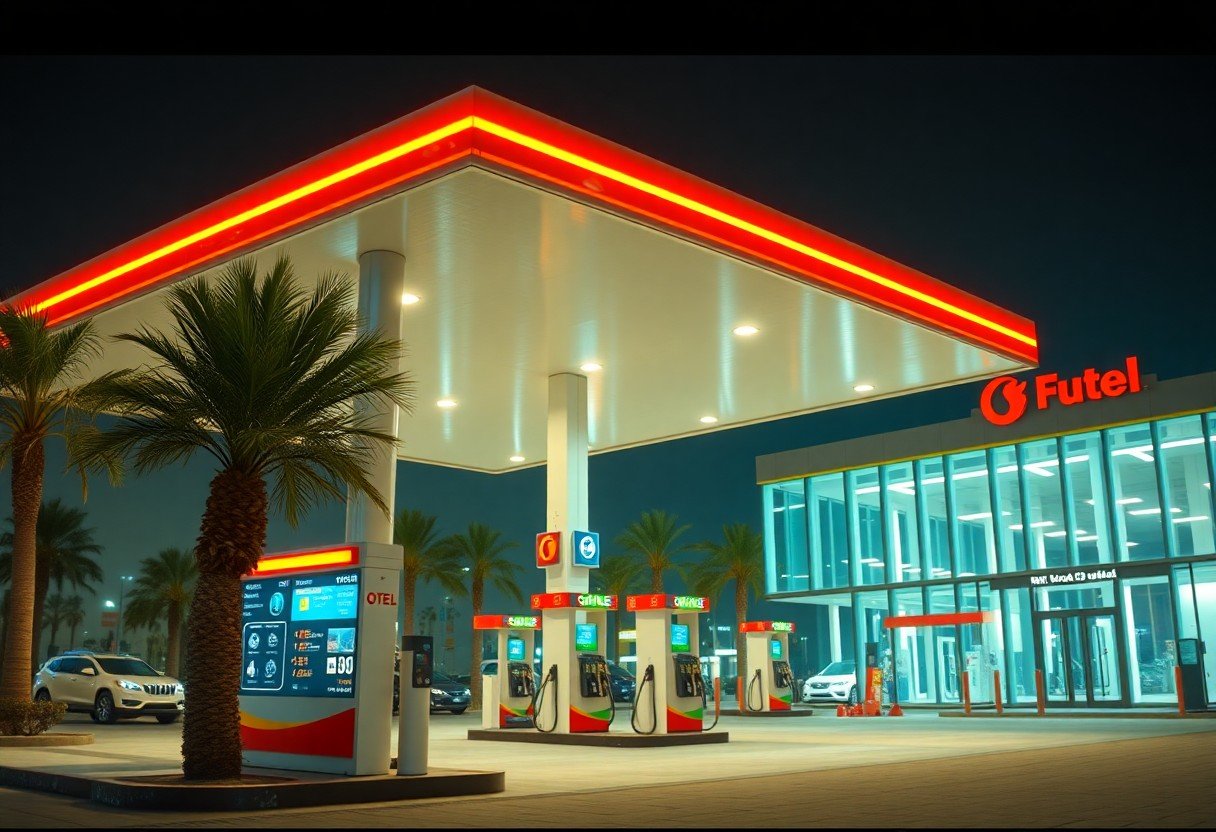
Drivers of Digital Transformation in Fuel Retail
Consumer Expectations and Behavior
Your customers expect convenience and personalization as they fuel up. The rise of mobile applications and digital payment solutions has shifted consumer preferences towards more streamlined transactions. Today, you must not only offer fuel but also enhanced services such as real-time updates on fuel prices and promotions tailored to individual preferences. Research indicates that up to 70% of consumers now prioritize efficiency and ease-of-use when selecting fuel retailers, leading to a demand for digital interfaces that simplify the customer experience.
Furthermore, the trend towards environmentally conscious consumerism cannot be ignored. As your customer base increasingly seeks sustainability, they expect your fuel retail solutions to reflect these values. This necessitates a digital transformation that includes offering biofuels and electric vehicle charging points, all while ensuring that digital channels communicate these offerings effectively to enhance brand loyalty.
Technological Advancements
The advent of technologies such as Artificial Intelligence (AI), the Internet of Things (IoT), and big data analytics has transformed how fuel retailers operate. You can leverage AI to predict fuel demand patterns and optimize inventory management. IoT devices ensure real-time monitoring of fuel levels and equipment health, minimizing downtimes and optimizing operational costs. For instance, a Middle Eastern fuel retailer that implemented IoT sensors has reported a 30% reduction in operational inefficiencies due to real-time data usage.
Moreover, the incorporation of blockchain technology cannot be omitted, as it enhances transparency and security in fuel supply chains. By utilizing blockchain, you can verify the integrity of transactions and establish trust with customers regarding the origins and pricing of fuel. More progressive retailers are already experimenting with these technologies, revealing that staying ahead in digital transformation directly correlates with operational efficiency and improved customer trust.
Competitive Pressure
The fuel retail sector is becoming increasingly competitive, compelling you to adapt rapidly to the digital landscape. Traditional fuel companies are now competing with tech-driven entrants that utilize advanced analytics, agile methodologies, and customer-centric apps, forcing you to rethink your operational strategies. In fact, according to industry reports, more than 40% of established fuel retailers are losing market share to those that have embraced digital transformation.
Additionally, the emergence of ride-hailing services and electric vehicle adoption has intensified the need for innovation in your offerings. New market players are actively targeting your customer base with integrated solutions that cater to their evolving needs and preferences, making it crucial for you to explore new technologies and customer engagement methods proactively.
As the competitive landscape continues to evolve, utilizing advanced analytics can help you understand consumer behavior, preferences, and market trends better. This insight can shape your digital strategies, ensuring that you remain relevant and competitive in a fast-paced environment.
Case Studies of Successful Digital Transformation
- Company A: Increased operational efficiency by 30% through automated systems.
- Company B: Improved customer engagement leading to a 20% rise in sales.
- Company C: Achieved a 15% reduction in fuel wastage via online monitoring tools.
Company A: Innovations and Outcomes
You will find that Company A embraced innovative automation systems that led to a remarkable 30% boost in operational efficiency. The integration of advanced data analytics allowed for real-time monitoring of fuel inventory and customer transactions. Such advancements not only streamlined the supply chain but also optimized staff allocation and reduced overhead costs.
Additionally, Company A implemented a mobile app that facilitated customer engagement, resulting in significant improvements in customer satisfaction scores. With a seamless operation, the company witnessed enhanced loyalty from customers, which translated into increased return visits and a stronger market presence.
Company B: Digital Strategies Implemented
With Company B, the focus was on leveraging digital marketing techniques to enhance brand visibility and interact with customers effectively. Implementing a data-driven approach enabled them to identify and target key demographics, boosting consumer outreach and resulting in a 20% increase in sales within one year. Their digital strategies included personalized promotions and loyalty programs delivered through a mobile interface, making the purchasing experience more engaging.
Through robust integration with social media platforms, Company B successfully disseminated real-time information on promotions and customer feedback, further strengthening community ties. By harnessing these strategies, they not only expanded their customer base but also increased overall brand loyalty.
Company C: Lessons Learned
When examining Company C, it’s necessary to highlight the lessons derived from their digital transformation journey. Initially, the company faced challenges in adopting new technologies, which caused delays and increased costs. However, by prioritizing staff training and vendor partnerships, they overcome these obstacles and eventually achieved a 15% reduction in fuel wastage through improved monitoring systems.
Upon reflecting on their journey, Company C recognized the importance of maintaining agility within digital strategies. Embracing continuous improvement and staying abreast of emerging technologies proved vital in scaling operations effectively while minimizing disruptions and maximizing profitability.
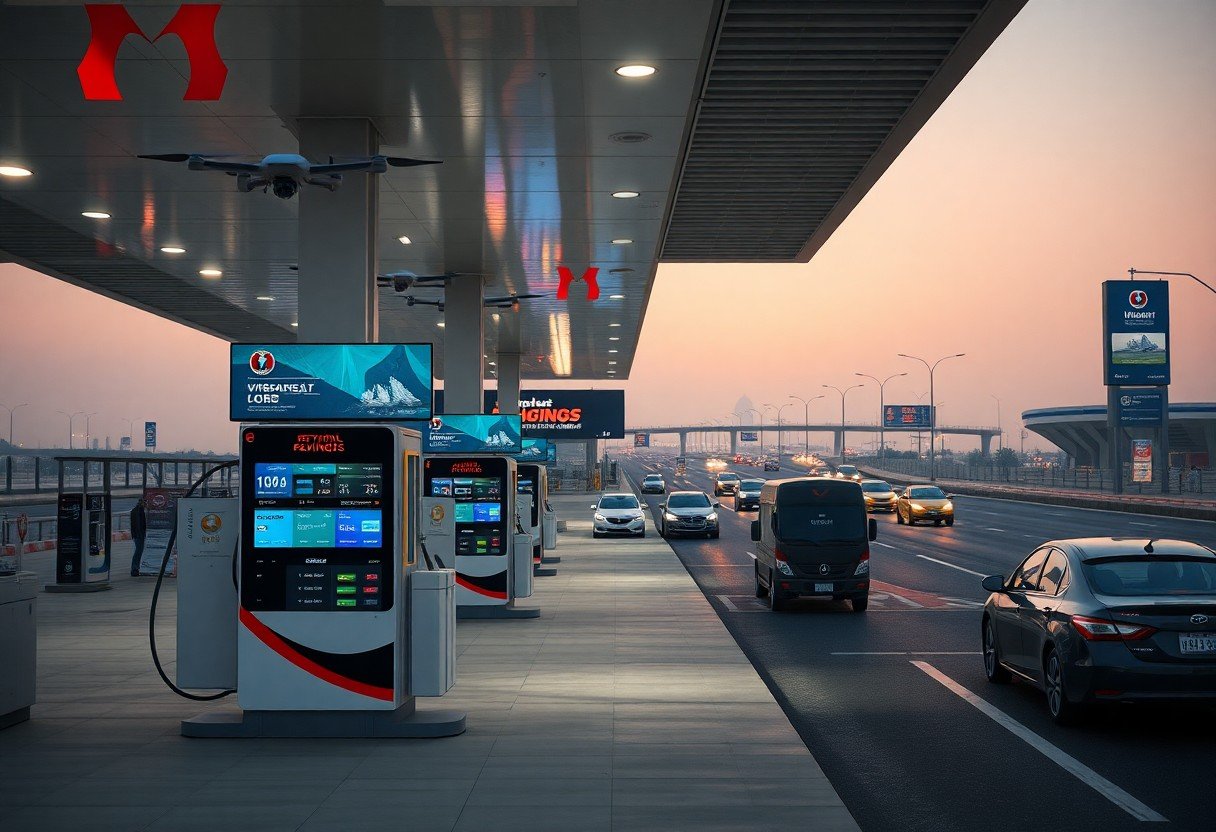
Impact of Digital Transformation on Business Models
Shift from Traditional to Digital Models
The moment you embrace digital transformation, you initiate a substantial shift from traditional fuel retail models to digital-first strategies. This transformation allows you to streamline operations and reduce costs significantly. For instance, companies like Company A have reported operational efficiency increases of 30% through the integration of automated systems, allowing you to allocate resources more effectively and respond promptly to market shifts.
Moreover, digital platforms enable you to deliver enhanced customer experiences. You can now leverage mobile apps for loyalty programs, personalized promotions, and seamless payment methods, driving customer engagement and satisfaction. Such innovations not only appeal to contemporary consumer expectations but also position you ahead in a competitive marketplace.
Integration of IoT and AI
Integrating the Internet of Things (IoT) and Artificial Intelligence (AI) into your fuel retail strategy can dramatically transform your operations. Equipped with IoT devices, you can monitor fuel levels in real-time, managing inventory more efficiently and preventing stockouts or overstock situations. This precision leads to better cash flow management, allowing you to optimize pricing strategies based on demand and supply dynamics.
On the other hand, AI can enhance customer interactions by analyzing purchasing behaviors and preferences. By using predictive analytics, you can anticipate customer needs and tailor your services accordingly, such as recommending the best times to fuel or suggesting complementary products, ultimately increasing your sales and customer loyalty.
Furthermore, the application of IoT and AI fosters a smarter retail environment. Data collected from connected devices can inform you about the optimal operational processes, while AI algorithms can help predict peak hours and adjust staff schedules, enhancing service efficiency.
Data-Driven Decision Making
Transitioning to data-driven decision making represents a paradigm shift in how you operate in the fuel retail sector. By collecting and analyzing vast amounts of data from various channels, including customer interactions and sales trends, you gain insights that directly inform your business strategy. This enables you to reduce costs, optimize promotions, and fine-tune inventory management, enhancing profitability.
An emphasis on data analytics invites you to make informed decisions based on real-time information rather than relying on intuition or historical patterns. For example, by understanding customer patterns, you can launch targeted marketing campaigns that yield higher conversion rates, ultimately driving growth.
Equipped with data-driven insights, you position your business to not just react to market changes but anticipate them, giving you a strategic edge.
Regulatory and Institutional Framework
Government Policies Supporting Digitalization
In recent years, government policies across the Middle East have increasingly recognized the necessity of embracing digital transformation in the fuel retail sector. Initiatives like the National Digital Strategy of Saudi Arabia emphasize the adoption of advanced technologies such as blockchain and artificial intelligence in energy distribution. Your organization can benefit from these policies, which often include financial incentives and grants designed to promote innovation in retail operations.
Furthermore, specific regulations are being introduced that mandate digital record-keeping and transparency in transactions. Such regulations not only facilitate better governance but also pave the way for an interconnected ecosystem where data can be leveraged for improved customer service and operational efficiency. By aligning with these government initiatives, you can enhance your digital frameworks and improve overall compliance.
Role of Industry Partnerships
Building strong partnerships within the industry is vital for accelerating your digital transformation journey. Collaborative efforts between fuel retailers, technology providers, and academic institutions can create synergies that foster innovation and drive growth. For instance, initiatives where fuel companies collaborate with tech firms have led to the development of integrated mobile apps that streamline customer interactions and enhance loyalty programs.
These partnerships can also serve as a platform for knowledge sharing. By engaging with industry peers and innovators, you can gain insights into emerging trends, share best practices, and even participate in joint ventures that push the boundaries of what’s possible in fuel retail. Such alliances often result in shared resources, reduced operational costs, and enhanced capabilities, ultimately benefiting your organization.
As you explore potential partnerships, consider engaging with local tech startups or multinational corporations specializing in digital solutions. Their expertise might provide scalable technologies tailored to the unique challenges of the regional market.
Standardization and Best Practices
The implementation of standardized practices in the Middle East fuel retail market is paramount for achieving operational efficiency and ensuring customer satisfaction. Regulations aimed at establishing common frameworks assist you in maintaining consistency across various outlets. For example, the adoption of standardized payment systems enhances transaction efficiency and minimizes fraud risks, ultimately improving the customer experience.
Additionally, embracing best practices in digital marketing and customer engagement helps foster brand loyalty. Utilizing data analytics to understand consumer behavior enables you to tailor offerings effectively, driving higher engagement levels. Various industry bodies are advocating for these standards, thus allowing you to benchmark your operations against sector leaders.
In fostering an environment rich in best practices, continual training and development programs are necessary to keep your workforce up-to-date with technological advancements and consumer expectations. Benchmarks established by industry leaders can serve as reliable guidelines in your pursuit of excellence.
Challenges and Future Prospects
Cybersecurity Risks
As you embrace digital transformation, it’s important to acknowledge the increasing cybersecurity risks that accompany this shift. The fuel retail industry has become a prime target for cybercriminals, with incidents such as data breaches and ransomware attacks on the rise. For instance, a major fuel retailer in the region recently faced a cyberattack that compromised sensitive customer information, leading to significant operational disruptions and financial losses.
To effectively combat these threats, investing in robust cybersecurity measures is non-negotiable. This includes implementing advanced threat detection systems, regular security audits, and employee training programs to foster a security-focused culture. Given that estimates suggest that the global cybersecurity market will reach $345.4 billion by 2026, focusing on cybersecurity can not only improve your defensive strategies but also enhance customer trust in your brand.
Skills Gap and Workforce Training
The digital transformation of your fuel retail operations exposes a troubling skills gap that can hinder progress. Many employees lack the necessary digital skills to operate advanced technologies, leaving a significant barrier to maximizing the potential of automation and data analytics. As reported, over 50% of workers in the Middle East are still adjusting to new technology, which may not align with the rapid pace of digital transformation initiatives.
To bridge this gap, investing in comprehensive workforce training programs is vital. Developing tailored training that addresses both foundational digital skills and advanced technological competencies ensures that your teams are equipped to handle challenges associated with new platforms. For example, using online training modules combined with hands-on workshops can facilitate a smoother transition and increase overall productivity.
Additionally, partnering with educational institutions and tech companies can provide access to updated curriculum and resources. This collaboration not only helps your workforce acquire in-demand skills but also cultivates a continuous learning environment conducive to innovation and adaptability in an evolving market.
Future Trends in Digital Fuel Retail
As you look towards the future, several trends in digital fuel retail are likely to shape the landscape. One prominent shift is the increased integration of artificial intelligence and machine learning, which can optimize inventory management, enhance customer experience, and drive data-driven decision-making. For instance, predictive analytics can help you anticipate fuel demand based on historical data, allowing for more efficient operations and minimized waste.
Another trend to watch is the rise of mobile payment solutions and loyalty programs that cater to tech-savvy consumers. With over 70% of consumers favoring digital payment options, streamlining your transaction processes through apps or contactless payments can significantly improve customer satisfaction. Adopting these innovations positions your fuel retail business to respond effectively to evolving consumer preferences.
Moreover, sustainability practices will increasingly influence consumer choices, leading fuel retailers to innovate in areas such as green fuel technologies and renewable energy solutions. For you, this means integrating sustainable options into your business model can not only meet regulatory requirements but also resonate positively with environmentally-conscious customers.