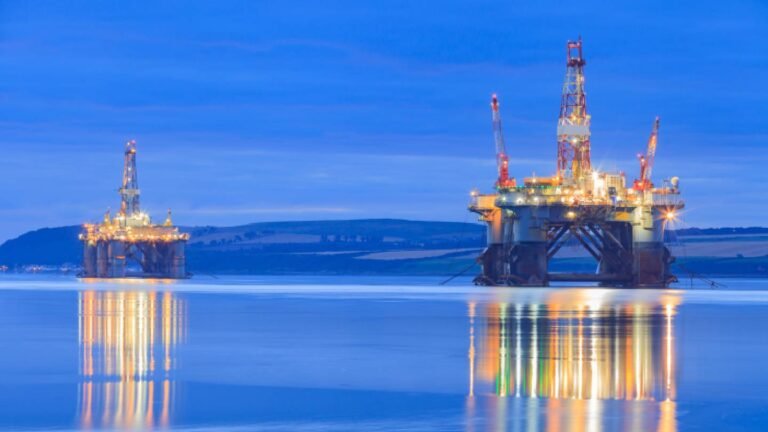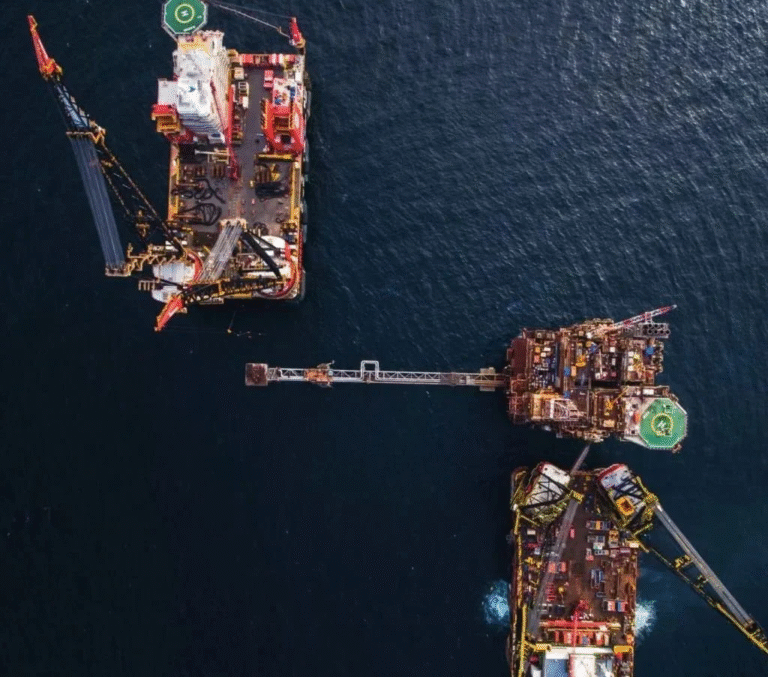



Offshore oil and gas operations are diving deeper than ever—literally. As energy companies push into the world’s most challenging underwater environments, a new wave of subsea intelligence is transforming how they monitor, protect, and optimize their assets.
What Happened
The global underwater monitoring system for oil and gas market is surging, driven by a dramatic rise in deepwater and ultradeepwater exploration. With conventional onshore reserves maturing, producers are investing heavily in subsea wells, pipelines, and production systems that require constant surveillance. These advanced monitoring solutions deliver 24/7 visibility into asset health, structural integrity, and environmental conditions, making them essential for modern offshore operations.
Deepwater Developments
Regions like the Gulf of Mexico, West Africa, and Brazil are at the forefront of this shift. Complex subsea architectures and extreme oceanic pressures demand robust monitoring frameworks. New technologies are making deepwater fields more economically viable, attracting a wave of new projects and expansions. This trend is fueling demand for systems capable of delivering long-range, high-resolution data in some of the planet’s harshest environments.
Why It Matters
Underwater monitoring is no longer just about operational efficiency—it’s a critical tool for environmental protection and regulatory compliance. Governments and global bodies are tightening rules to prevent disasters like spills, blowouts, and leaks. Operators are now required to maintain continuous monitoring logs for both structural and environmental parameters. These systems play a pivotal role in early detection of anomalies, structural deformations, and ecosystem disruptions, helping companies avoid catastrophic failures and demonstrate strong sustainability commitments.
Environmental Stewardship
The push for environmental stewardship is reshaping the industry. Monitoring tools are now expected to track not just equipment performance but also the health of surrounding marine ecosystems. This dual focus is driving innovation and adoption, as companies seek to balance energy production with ecological responsibility.
Key Details
The market is seeing a surge in innovation, with companies developing compact, energy-efficient, and AI-enabled monitoring systems. Strategic collaborations, mergers, and technology integrations are becoming common as firms aim to deliver holistic solutions covering structural, environmental, and operational parameters. The rise of autonomous subsea platforms and all-electric production systems is expected to further reshape competitive strategies over the next decade.
Competitive Landscape
A diverse set of players—from subsea equipment providers to digital technology specialists—are racing to capture market share. The focus is on delivering integrated subsea solutions that can handle the complexities of modern offshore operations. This competitive environment is accelerating the pace of technological advancement and driving down costs for operators.
What Comes Next
As offshore exploration continues to expand, the demand for advanced underwater monitoring systems will only grow. The push toward automation, real-time data analytics, and environmental sustainability will define the next phase of subsea intelligence. Operators who embrace these technologies will be better positioned to navigate the challenges of a high-reliability energy future.
The future of offshore oil and gas is not just about drilling deeper—it’s about monitoring smarter, protecting the environment, and ensuring the long-term viability of subsea operations.