


With the increasing integration of technology in fuel stations, cybersecurity threats have become a significant concern for you as a station operator. Vulnerabilities can expose your operations to data breaches, potentially compromising sensitive customer information and impacting your bottom line. It’s vital to stay informed about the latest threats and implement robust security measures to protect your assets. Understanding these risks will not only safeguard your business but also enhance the trust of your customers in a digitally connected environment.
Understanding Cybersecurity Threats
Definition of Cybersecurity
Cybersecurity refers to the practice of protecting systems, networks, and data from digital attacks. These threats may involve unauthorized access, data breaches, and attacks that disrupt the normal functioning of technology. You need to understand that cybersecurity encompasses technologies, processes, and practices designed to defend against these threats, ensuring that your fuel station operates smoothly and securely.
In essence, cybersecurity is about securing sensitive information and infrastructure from evolving cyber threats, which can compromise your operational integrity and customer trust. As you integrate more digital systems, establishing robust cybersecurity measures becomes imperative for protecting your assets.
Importance of Cybersecurity in Modern Infrastructure
Cybersecurity is a top priority for modern infrastructure, particularly in sectors like fuel stations, where the intertwining of physical and digital systems creates vulnerabilities. With the increasing reliance on digital payment systems, IoT devices, and cloud storage, your fuel station is a prime target for cybercriminals. An effective cybersecurity strategy safeguards not only your assets but also your customers’ personal and financial information.
As incidents like the Colonial Pipeline ransomware attack demonstrate, breaches can lead to significant operational disruptions, financial loss, and reputational damage. You must recognize that investing in cybersecurity not only mitigates risks but also ensures compliance with regulations, fostering consumer confidence in your services.
Overview of Cyber Threats
The landscape of cyber threats is vast and ever-evolving, posing serious risks to your fuel station’s operations. Common threats include malware, phishing attacks, and distributed denial-of-service (DDoS) attacks, each with the potential to disrupt services or compromise sensitive data. For example, a single successful phishing attempt could grant attackers access to your network, leading to data theft or system malfunctions.
Additionally, the emergence of ransomware attacks specific to the energy sector has seen skyrocketing demands for payments, often crippling operations for days. You must stay alert and informed about the tactics used by cybercriminals, as this awareness plays a significant role in crafting an effective defense strategy.
Overview of Cyber Threats
Addressing the overview of cyber threats, it’s imperative to note that these risks vary in sophistication and intent. Cybercriminals may target fuel stations not just for immediate financial gain but also to exploit vulnerabilities for larger-scale attacks on critical infrastructure. The stakes are high, as successful breaches can lead to extensive financial implications and pr repercussions.
Cyber Threats Specific to Fuel Stations
Point-of-Sale (POS) System Vulnerabilities
You must be aware that POS systems are prime targets for cybercriminals seeking to exploit payment processing weaknesses. Data breaches involving fuel station POS systems can result in the theft of sensitive customer payment information, including credit and debit card numbers. According to a recent report, nearly 40% of data breaches in the retail sector occur at POS systems. Attackers often employ malware specifically designed to capture card information during transactions.
It’s necessary to regularly update your POS software and implement encryption to safeguard data. You can further mitigate risks by limiting access to POS systems and training employees on recognizing phishing attacks that may aim to compromise these critical systems. Failure to address these vulnerabilities may not only lead to financial losses but also erode customer trust.
Fuel Management System Threats
Fuel management systems, which monitor and control fuel inventory as well as distribution processes, are also susceptible to cyber threats. You should note that these systems can be vulnerable to unauthorized access, allowing cybercriminals to manipulate fuel levels or divert shipments. This risk was highlighted when a major fuel supplier experienced a cyberattack that compromised their supply chain management, resulting in significant operational disruptions.
Implementing strong access controls and regularly monitoring these systems for unauthorized activity is necessary in defending against these threats. Additionally, leveraging advanced analytics can help you identify anomalies in fuel usage or inventory levels, allowing you to respond swiftly to potential breaches or manipulations.
Moreover, fuel management systems often rely on outdated technologies susceptible to exploitation. Upgrading to more secure, modern solutions can significantly reduce the chances of breaches and lead to more efficient operations overall.
Network Infrastructure Exploits
Hackers target the network infrastructure of fuel stations to gain access to sensitive data and systems. Your operational technology and IT networks must be properly segmented to prevent attackers from moving laterally within your systems. A successful breach of network infrastructure can lead not only to theft of data but also to operational impacts, as evidenced by several incidents involving ransomware that paralysed fuel station operations.
Implementing network monitoring tools can provide real-time insights into unusual activities, while robust firewalls can guard against unauthorized access. Regular vulnerability assessments can help you identify weaknesses in your network structure before they are exploited by cybercriminals.
Investing in secure firewalls and regularly updating your network devices are necessary steps to fortify your defenses against these exploits. An increasing number of fuel stations are implementing more sophisticated network management solutions, enhancing both security and operational efficiency.
Types of Cyber Attacks
- Ransomware attacks
- DDoS attacks
- Data breaches
- Phishing attacks
- Insider threats
| Attack Type | Description |
| Ransomware | Malware that encrypts data and demands payment for access. |
| DDoS | Flooding systems with traffic to overwhelm and disrupt services. |
| Data Breaches | Unauthorized access to sensitive information, leading to theft. |
| Phishing | Tricking users into revealing sensitive information. |
| Insider Threats | Internal employees compromising security, either intentionally or unintentionally. |
Ransomware Attacks
As technology advances, ransomware attacks have become prevalent, particularly targeting businesses like fuel stations that rely on operational systems. These attacks involve malicious software that encrypts your data, rendering it inaccessible until you pay a ransom. In 2021, the Colonial Pipeline ransomware attack exemplified the potential fallout, causing significant service disruptions and fueling increases in fuel prices.
Fuel stations manage vast amounts of sensitive customer data and financial transactions, making them prime targets. Once ransomware infiltrates, it’s not just the immediate loss of access; there can also be extensive downtime and potential damage to your reputation. Fortifying your systems against such threats is no longer optional.
Distributed Denial of Service (DDoS) Attacks
DDoS attacks are crafted to overwhelm your network by directing a flood of traffic towards it, disrupting services, and rendering your station inoperable. These attacks can be launched using a multitude of compromised systems, instantly crippling your capabilities for several hours or even days. The financial implications can be staggering, as service outages directly correlate to lost sales and customer trust.
Effective prevention strategies include implementing robust network configurations and traffic analysis models. Keeping your systems updated and using cloud-based solutions to absorb traffic spikes can mitigate the risk significantly. Any disruption in your service not only affects your bottom line but can also tarnish your brand image significantly.
Data Breaches and Information Theft
With the rise in connectivity, data breaches and information theft are more common than ever. Attackers exploit vulnerabilities in software and hardware to gain unauthorized access to sensitive personal and payment information. In 2020, a major fuel retailer reported a massive data breach that affected millions, showcasing how easily your customers’ data can be compromised.
Without stringent cybersecurity measures, your business may face not only financial penalties but also a loss of customer confidence. Implementing strong encryption protocols and continuous monitoring of systems will help protect against potential breaches.
Any lapse in security measures regarding data breaches can lead to devastating consequences, including lengthy legal battles and substantial financial loss.
Consequences of Cybersecurity Breaches
Financial Implications
A cybersecurity breach can lead to significant financial losses for fuel stations, often amounting to millions of dollars in damages. Direct costs typically include ransom payments, recovery expenses, and system upgrades. For instance, the average cost of a data breach in 2023 is estimated to be around $4.45 million, a figure that underscores the potential impact on your bottom line.
In addition to immediate financial repercussions, you may face long-term liabilities such as lost business opportunities, increased insurance premiums, and potential lawsuits. If your systems are compromised, the subsequent operational disruptions can lead to decreased customer trust and a drop in sales. This combination of direct and indirect costs amplifies the financial toll a breach can impose.
Reputational Damage
When a cybersecurity breach occurs, the reputational impact can be devastating. Customers expect privacy and security in their transactions, especially at fuel stations that handle sensitive payment information. Following a breach, you may find that customer loyalty is severely affected, leading to reduced foot traffic and sales. A study found that 75% of consumers would consider switching suppliers after a data breach, illustrating how quickly trust can erode.
Your company’s brand image can suffer as well, as news of the breach spreads across media platforms and social networks. Negative sentiment can linger long after the breach is resolved, making it difficult to regain your previous standing in the marketplace. This long-term impact emphasizes the importance of cybersecurity measures in maintaining your operational viability.
Responding effectively to a breach is vital in mitigating reputational damage. Transparent communication with customers and stakeholders can help regain trust, but failing to act proactively can lead to prolonged reputational harm that affects both customer relationships and business partnerships.
Regulatory and Legal Repercussions
Failing to adequately protect customer data can result in severe regulatory consequences. Various regulations, such as the GDPR and CCPA, impose harsh penalties for data breaches, which can include fines reaching into the millions. As a fuel station, non-compliance with industry standards can lead not only to financial penalties but also to potential lawsuits from affected customers.
The legal landscape surrounding cybersecurity is evolving rapidly, and many jurisdictions are implementing stricter data protection laws. If you do not have the necessary measures in place, you may face additional legal challenges, including class-action lawsuits from customers whose data has been compromised. This creates a compounded risk that can further drain your resources.
Staying informed about regulatory requirements and incorporating robust cybersecurity practices can minimize legal risks and prevent substantial penalties. Establishing a solid framework for data protection should be seen as an imperative investment in safeguarding your business against future threats.
Best Practices for Cybersecurity in Fuel Stations
Implementing Robust Cybersecurity Policies
You must establish comprehensive cybersecurity policies tailored to the unique needs of your fuel station. This involves defining security protocols for data protection, incident response, and access control. Every employee should understand these policies, which serve as a foundation for a security-conscious culture within your organization. Ensure that you keep these documents updated to reflect the evolving threat landscape and compliance requirements.
Additionally, consider integrating multi-factor authentication and encryption into your systems to enhance security. By limiting access to sensitive data and ensuring that communications are secure, you can significantly reduce the risk of breaches. Regularly review and refine these policies based on insights gained from security audits and emerging threats.
Staff Training and Awareness Programs
Your employees are often the first line of defense against cyber threats, making training and awareness programs important. Implement ongoing education sessions that inform staff about the latest cyber threats, phishing tactics, and safe practices for handling sensitive data. By fostering a culture of awareness, your team will be more vigilant and prepared to respond to potential threats.
Utilizing real-world scenarios during training can enhance understanding, making the risks more relatable. Encourage staff to report suspicious activities, and provide a clear communication channel for them to do so. This proactive approach not only equips them with knowledge but also fosters a sense of responsibility towards the organization’s cybersecurity.
Regular Security Audits and Assessments
Conducting regular security audits and assessments is vital to identify vulnerabilities within your systems. These audits allow you to evaluate your current security measures and pinpoint areas for improvement. Schedule assessments at least bi-annually, and consider bringing in third-party experts for an objective analysis. This practice will help to uncover hidden weaknesses that your team may overlook.
Implementing a continuous improvement process based on audit findings ensures that your security posture is constantly evolving. By addressing any identified gaps promptly, you can enhance your resilience against cyber threats that may target fuel stations, including ransomware and data theft.
The Role of Technology in Cyber Defense
Firewall and Intrusion Detection Systems
Firewalls act as a barrier between your internal network and external threats, filtering traffic based on predetermined security rules. You should employ both network and application firewalls for layered protection. Network firewalls monitor incoming and outgoing traffic, while application firewalls specifically target web applications to prevent unauthorized access and attacks. A properly configured firewall is your first line of defense, ensuring that only legitimate traffic accesses your systems.
Intrusion Detection Systems (IDS) enhance your security posture by monitoring network traffic for suspicious activities. By analyzing patterns and anomalies, these systems can alert you to potential breaches or attacks in real-time. Integrating IDS with a Security Information and Event Management (SIEM) solution can provide a comprehensive overview of your security landscape, allowing for rapid response to any detected threats.
Advanced Threat Detection Tools
Advanced threat detection tools leverage machine learning and artificial intelligence to identify complex threats that traditional methods might miss. These systems continually analyze massive amounts of data to spot unusual behavior, significantly reducing the time between detection and response. Investing in such technology empowers you to establish a more proactive defense against cyber attackers.
For effective implementation, you can consider software solutions that incorporate behavioral analytics. These tools fine-tune their algorithms based on patterns specific to your environment, enhancing their ability to discern between normal and anomalous activities. By adopting these advanced tools, you stay ahead of cybercriminals who are constantly evolving their tactics.
- Continuous monitoring of network activities.
- Utilization of behavioral analytics.
- Integration with existing security solutions.
- Automated threat response capabilities.
- Customizable alert settings for various threat levels.
| Real-time anomaly detection | Improves responsiveness to cyber threats |
| AI-driven insights | Enhances accuracy in threat identification |
Incident Response and Recovery Solutions
Rapid incident response is vital to minimize damage in case of a cybersecurity breach. Implementing a formalized incident response plan ensures that your team knows exactly how to react under pressure. This plan should define roles and responsibilities, enabling your staff to respond quickly and efficiently to any cyber incident.
Moreover, recovery solutions help you restore operations with minimal disruption. Backup solutions must be regularly updated and tested to ensure data integrity. By employing effective recovery processes, you can safeguard your operations against data loss and swift business restoration following an incident.
Having a well-structured incident response and recovery solution allows you to manage not just the immediate impact of a cyber incident but also the long-term implications. You can reduce downtime and streamline communication, maintaining trust with your customers and stakeholders. Regular drills and updates to this plan can keep your team sharp in handling evolving threats.
- Clearly defined roles and responsibilities in response team.
- Regularly updated incident response plan.
- Comprehensive training for all staff members.
- Rapid restoration procedures for critical systems.
- Testing recovery processes to ensure efficiency.
| Preparation and Training | Ensures your team is ready for any situation |
| Post-Incident Analysis | Identifies lessons learned for continuous improvement |
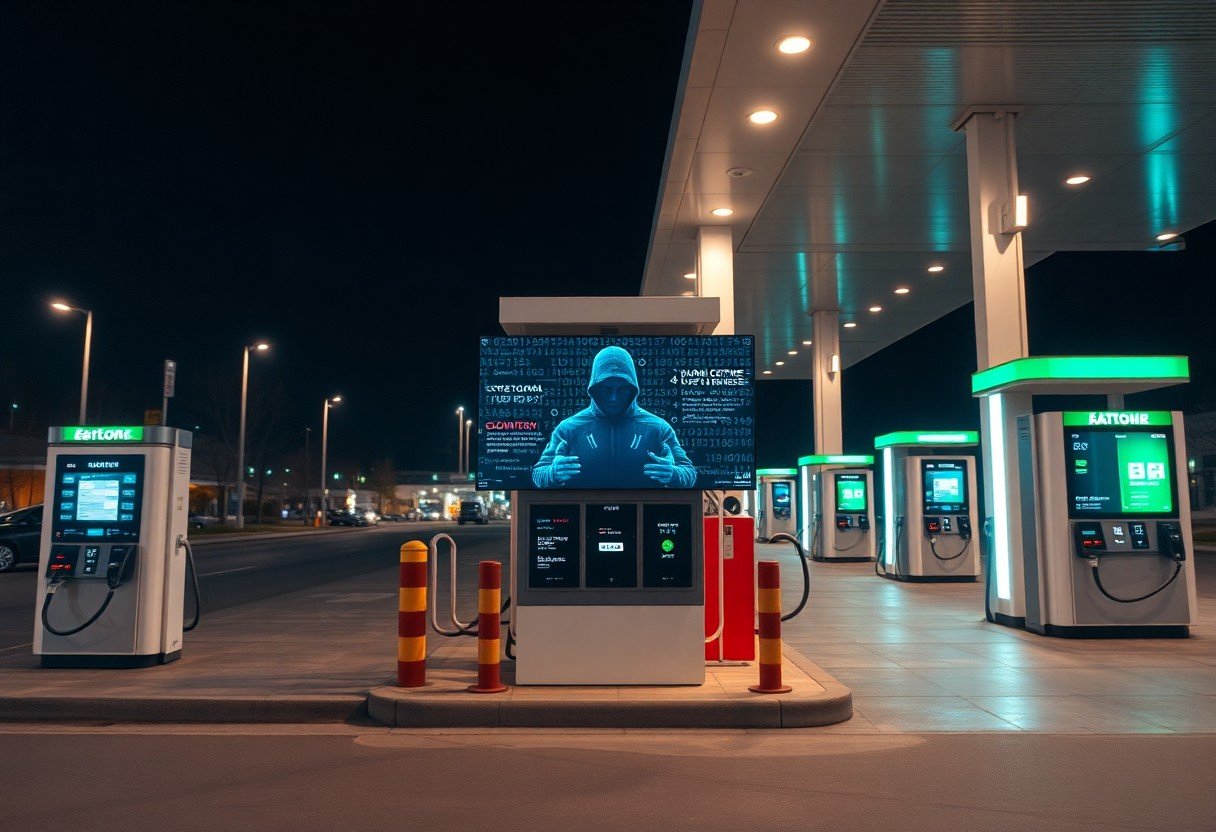
Future Trends and Threats
Evolving Cyber Attack Techniques
As cybercriminals become increasingly sophisticated, you must stay aware of the changing landscape of attack techniques. Techniques such as phishing attacks have evolved into more complex schemes that utilize social engineering, making them harder to detect. For example, attackers may use personalized emails that appear to come from trusted sources, tricking you or your staff into divulging confidential information or downloading malicious software.
Another notable evolution is in ransomware, which has now evolved into more targeted operations, known as ransomware-as-a-service. This model allows less technical criminals to launch attacks on businesses like yours, holding data hostage and demanding payment in cryptocurrency. Consequently, you need a multi-layered defense strategy to counteract both traditional and emerging threats.
The Impact of IoT on Fuel Station Security
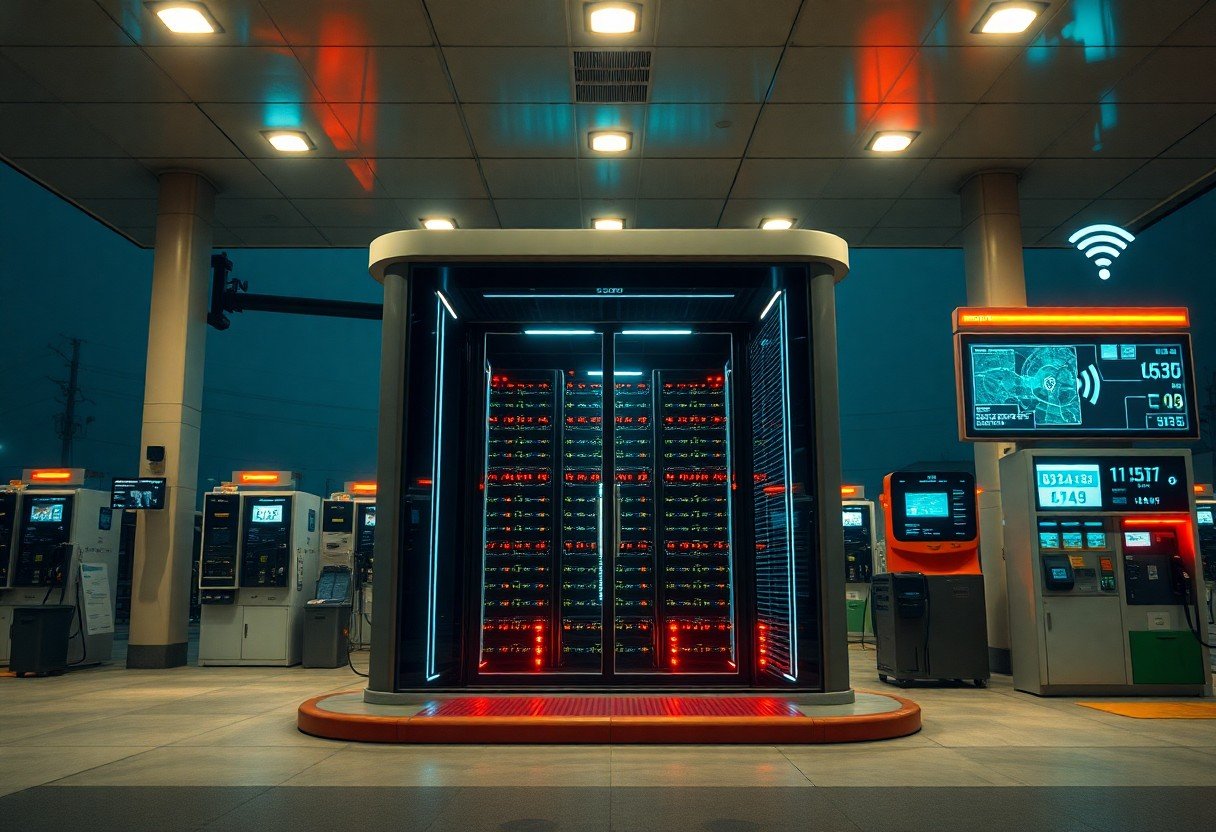
The Internet of Things (IoT) has greatly enhanced operational efficiency in fuel stations but also presents significant vulnerabilities. With connected devices collecting and transmitting data, the potential for cyber intrusions has expanded dramatically. Each IoT device, such as fuel management systems and smart dispensers, can be a potential entry point for cyberattackers. If compromised, these devices could lead to not just data breaches, but also disruptions in service and safety.
Moreover, the increasing reliance on cloud-based analytics for real-time monitoring can also expose sensitive operational data. Cybercriminals can exploit these vulnerabilities to execute coordinated attacks that target multiple IoT devices simultaneously, potentially crippling your operations. You must prioritize securing these devices and ensure proper authentication protocols are in place to mitigate these risks.
Predictions for Cybersecurity in the Fuel Industry
Looking ahead, it’s expected that the fuel industry will increasingly face advanced persistent threats (APTs) that are tailor-made for the sector’s specific vulnerabilities. By 2025, a report indicates that over 70% of critical infrastructure sectors, including fuel stations, will likely encounter state-sponsored cyber threats. You will need to adopt adaptive and proactive cybersecurity measures to address these threats continually.
Furthermore, advancements in artificial intelligence (AI) and machine learning will play a vital role in detecting anomalies in network traffic. Many fuel stations will leverage these technologies to enhance their cybersecurity frameworks, allowing for automatic responses to potential threats and reducing the time to mitigate risks. Active participation in collaborative cybersecurity initiatives will become crucial to safeguard the entire industry from targeted attacks.