


Customer satisfaction hinges on every interaction at the pump and in-store, making it vital for you to understand their unique needs. By enhancing service efficiency, maintaining a clean environment, and offering personalized options, you can create a memorable experience that keeps customers returning. Addressing pain points and integrating technology can streamline processes, while a focus on customer service ensures each visit is pleasant. Elevate your strategy to forge lasting connections and drive loyalty in this competitive landscape.
Understanding Customer Experience
Definition of Customer Experience
Customer Experience (CX) encompasses every interaction a customer has with your brand, from the moment they approach your gas pump to their time spent in-store and beyond. It involves the sensory, emotional, and cognitive responses customers have during these interactions. This means not only delivering the products they seek but also ensuring that every aspect of their experience—whether it’s the cleanliness of your location or the friendliness of your staff—contributes positively to their overall impression.
A strong customer experience focuses on the needs and preferences of customers, promoting a seamless journey. You must integrate these elements effectively, creating touchpoints that resonate and leave a lasting impact on your customers’ loyalty and satisfaction. By understanding the various elements that comprise CX, you position your business to prioritize customer-centric strategies that enhance engagement and retention.
Importance of Customer Experience in Retail
In the competitive landscape of retail, especially at gas stations and convenience stores, customer experience can significantly influence purchasing decisions. Studies reveal that customers are willing to pay more for a superior experience, with research by Deloitte indicating that businesses that invest in CX can see returns of over 300%. This underlines the fact that delivering a positive experience leads not just to repeat visits, but also increases overall profitability.
Furthermore, a strong customer experience can differentiate your brand from competitors. When customers feel valued and understood, they are more likely to become brand advocates. This advocacy is crucial in an era where online reviews and word-of-mouth can impact your reputation and sales. Prioritizing CX strengthens customer loyalty and enhances your competitive edge in a crowded market.
Customer Expectations: Trends and Insights
Customer expectations are continuously evolving, influenced by broader retail trends and technological advancements. Shoppers now seek convenience, personalization, and speed, valuing experiences that cater directly to their preferences. Data from PwC highlights that 73% of consumers point to customer experience as an important factor in their purchasing decisions. You should aim for a personalized experience, utilizing data analytics to tailor offerings and communication strategies that anticipate what your customers want.
Moreover, the rise of mobile technology has changed the landscape significantly. Customers increasingly expect a frictionless experience, whether they are paying at the pump or browsing in your store. Implementing contactless payment systems, providing mobile apps for loyalty programs, and ensuring that your staff is trained to deliver quick, efficient service aligns with these expectations.
Customer Expectations: Trends and Insights
As you analyze trends in customer expectations, one important aspect is the growing emphasis on sustainability and social responsibility. Customers are more inclined to support brands that align with their values, which means that integrating sustainable practices into your operations can enhance their perception of your business. This shift in customer values necessitates that you not only focus on immediate transactional relationships but also cultivate a broader commitment to ethical practices.
The Role of the Fuel Pump Experience
First Impressions at the Pump
Your customers’ journey begins the moment they arrive at the fuel pump. A well-maintained, clean, and well-lit fueling area can significantly influence their perception. If your pumps are tidy and the surroundings are inviting, customers are more likely to feel comfortable and valued. Investing in regular maintenance and cleanliness not only enhances aesthetics but also reinforces a commitment to quality service.
Plus, the first impression sets the stage for their overall experience. For instance, placing promotional displays or digital screens at the pump can attract attention and encourage engagement. This is your opportunity to showcase special offers, loyalty programs, or convenience store items that may lead to increased sales and customer satisfaction.
Enhancing Fuel Dispensing Technology
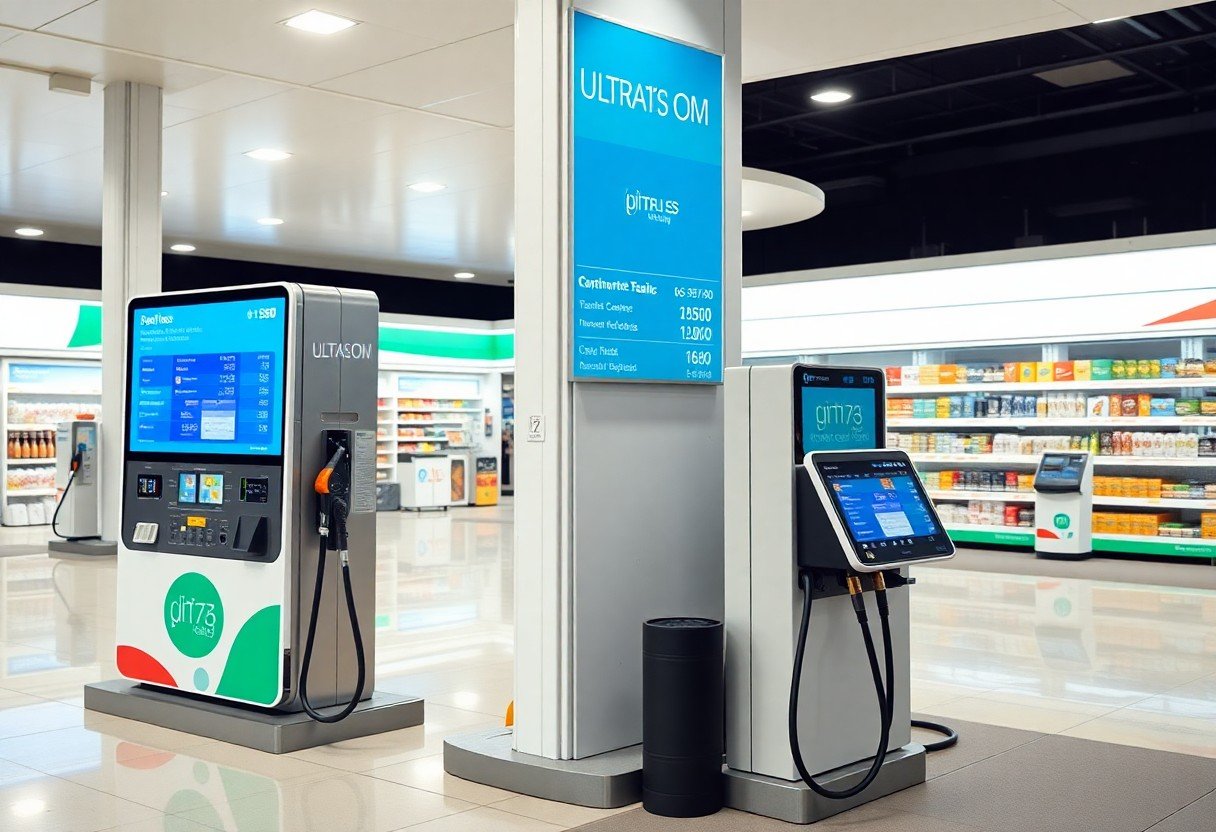
Leveraging advanced fuel dispensing technology can significantly streamline the fueling process, enhancing customer satisfaction. Modern pumps equipped with contactless payment options reduce wait times, allowing customers to fuel up quickly and efficiently. Features such as touchless screens, personalized greetings, and prompts for preferred fuel types create a more user-friendly experience.
Furthermore, consider integrating mobile app connectivity that allows customers to manage their fueling preferences and transactions directly from their phones. This level of convenience can give your station a competitive edge and foster loyalty among tech-savvy consumers.
Incorporating features like pre-pay options or geolocation services, where your app recognizes a customer’s arrival, can further enhance efficiency and appeal. This tech-savvy approach not only modernizes your service but also aligns with customer expectations in a fast-paced digital world.
Signage and Communication at Fuel Stations
Effective signage can guide customers smoothly through their fueling experience. Clear, informative signs that indicate pump selection, payment options, and pricing ensure customers feel informed and confident in their choices. Use visually appealing graphics that catch the eye without overwhelming the customer to communicate important information succinctly.
Additionally, consider incorporating digital signage that updates prices in real-time or promotes store specials. This responsiveness can enhance customer interaction and drive more foot traffic into your convenience store. An engaging and informative environment breeds satisfaction and encourages repeat visits.
Strategically placed signs at critical points, like entrances and exits, can direct customers to in-store specials and gas rewards, enhancing their overall journey and increasing upsell opportunities.
Safety and Accessibility Considerations
Safety should never be compromised at your fuel pumps. Clear marking of safety zones, fire prevention notices, and instructions on proper fueling procedures can prevent accidents and ensure a secure environment for all. Regular inspections and compliance with local safety regulations not only protect your customers but can also shield your business from liability issues.
Accessibility plays a vital role as well. Offering ADA-compliant fueling options helps cater to individuals with disabilities, demonstrating inclusivity. Providing features such as low-set pumps and clear pathways ensures that everyone can access your services comfortably and safely.
Implementing safety measures like anti-slip surfaces and adequate lighting improves overall safety. Prioritizing these considerations builds trust and satisfaction among your customers, making them more likely to choose your station over competitors.
In-Store Experience Essentials
Store Layout and Design Strategies
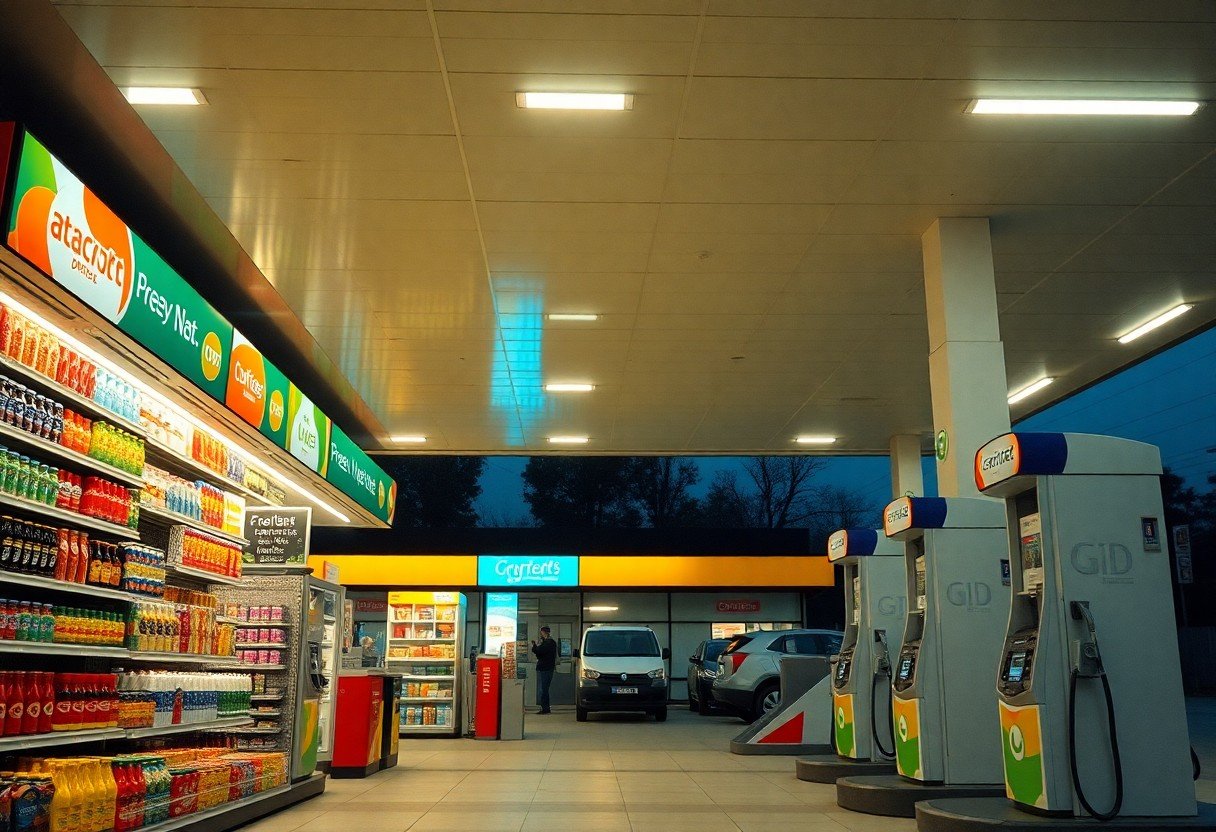
Your store layout should prioritize easy navigation and accessibility. Consider adopting a grid layout for a functional arrangement that directs customers through the aisles efficiently, encouraging them to discover products. Place high-demand items, such as snacks and beverages, at the back to draw customers deeper into the store and increase their potential for additional purchases. Use clear signage and visual cues to guide the customer experience, fostering a welcoming atmosphere.
Incorporate zones for specific product categories to create a logical flow, making it intuitive for shoppers to find what they want. Incorporating comfortable seating or rest areas can also enhance your customers’ experience, providing a moment of relaxation that encourages them to linger longer and potentially spend more. Well-defined sections not only improve organization but also help in managing inventory and reducing stockouts.
Product Placement Best Practices
Your decisions regarding product placement can significantly influence buying behavior. Position high-margin items at eye level to capture attention immediately and utilize end caps to showcase seasonal promotions or best-selling products. Cross-merchandising, where related products are placed together, can also boost sales by encouraging customers to purchase complementary items. For example, placing chips near salsa creates an enticing pairing that customers may not have considered.
Utilize data analytics to understand shopping patterns within your store. By analyzing sales data, you can identify which products are frequently bought together and adjust placements accordingly. This strategy not only enhances customer convenience but also capitalizes on existing shopping behaviors, potentially increasing overall sales.
The Impact of Cleanliness and Ambiance
Cleanliness in your store extends beyond just the floors and shelves; it envelops the overall atmosphere of your business. A store that is tidy and well-maintained signals professionalism and attention to detail, influencing customers’ perceptions and their likelihood to return. Ensure that restrooms are regularly checked and cleaned, as a dirty restroom can be a major deterrent for many customers. Bright lighting and organized displays create a positive vibe that can enhance the shopping experience.
Ambiance includes sound, lighting, and even scent. The right background music can set a pleasant tone and create a comfortable space for your customers. Studies have shown that a pleasing scent can increase dwell time and encourage purchases, suggesting that investing in your store’s sensory experiences can yield significant returns. Consider adjusting these elements based on the time of day to maximize the impact.
Customer Service Training for Staff
Staff training is imperative for delivering exceptional customer service. Equip your employees with the skills to engage with customers, address inquiries promptly, and resolve any issues effectively. Implement role-playing scenarios during training sessions to help staff practice handling various situations, from assisting a confused customer to managing a complaint. Establish clear service standards and ensure periodic assessments to maintain high levels of customer care.
Encourage employees to take ownership of their roles by fostering a culture of empowerment. When staff feels confident in their ability to assist customers, it leads to a better experience for everyone and can transform a mundane visit into a memorable one. Including incentives for exceptional service can further motivate your team to elevate their interactions with customers, enhancing overall satisfaction.
Technology Integration for a Seamless Experience
Mobile Apps and Their Benefits
Integrating a mobile app into your customer experience can significantly enhance convenience and engagement. These apps not only allow customers to locate your nearest station easily but also provide functionalities like fuel pre-payment, promotions, and in-store specials. Studies have shown that businesses leveraging mobile applications can increase customer retention rates by over 30% due to the ease they offer.
Furthermore, mobile apps can serve as a platform for personalized communication. By analyzing user behaviors and preferences, you can tailor notifications, reminding customers of upcoming promotions or loyalty points, thus encouraging repeat visits. In fact, companies that provide a personalized experience for their customers see an increase in transactions by as much as 20%.
Contactless Payment Solutions
Implementing contactless payment solutions streamlines the checkout process, making it faster and more secure. As consumer preferences shift towards digital payments, having options like NFC, mobile wallets, and QR codes caters to this increasing demand. In environments where speed and convenience matter, you can expect to see a noticeable uptick in transactions; studies indicate that up to 70% of consumers prefer contactless payments to cash or swiping cards.
These solutions also enhance safety by minimizing physical contact, which has become a significant concern for many. Offering touch-free payment options not only meets customer needs but also positions your business as a forward-thinking operation. Adoption of contactless systems has been shown to reduce wait times at busy pumps, allowing you to serve more customers efficiently.
Loyalty Programs and Personalization
A well-structured loyalty program is key to fostering long-term relationships with your customers. By offering rewards based on their purchasing habits, you ensure that they feel valued and recognized. For instance, providing points for every gallon of fuel purchased or discounts on in-store items can incentivize frequent visits and build brand loyalty. Research indicates that customers enrolled in loyalty programs spend up to 30% more compared to those who are not.
Coupled with personalization, these programs can deliver even greater results. Gleaning insights from your customer data allows you to tailor rewards and offers based on individual purchasing patterns. Providing targeted promotions can improve customer satisfaction and engagement, driving additional traffic to both your fuel pumps and retail spaces.
Data Analytics to Understand Customer Behavior
The utilization of data analytics empowers you to make informed decisions about your customer experience. By analyzing purchase data, traffic patterns, and customer feedback, you can identify trends and preferences that directly impact your business strategy. Understanding which times see higher foot traffic or which products sell out fastest can help you manage stock and staffing effectively, thereby optimizing profits.
Implementing analytics tools can also help you refine marketing strategies, allowing for better targeting. For example, knowing your customers’ peak purchasing times enables you to run more effective promotions during those hours, enhancing customer retention and overall profits. Effective use of data can lead to an increase in sales by 15% when tailored to customer preferences.
Overall, leveraging data analytics not only helps in improving the overall customer experience but also drives operational excellence, positioning your business competitively in the market.
Marketing Strategies to Enhance Customer Experience
Promotional Campaigns: Do’s and Don’ts
When planning promotional campaigns, focus on aligning your offers with the specific needs and preferences of your customers. Engage in market research to identify what excites your audience. Utilize limited-time offers or loyalty programs that encourage repeat visits. For example, offering discounted fuel prices during peak hours can significantly boost traffic, especially if combined with in-store promotions. Transparency about terms and conditions is imperative to build trust and ensure customers fully understand the value proposition.
Avoid misleading campaigns that promise benefits that are not delivered. If customers perceive that they are getting less value than expected, it can lead to dissatisfaction and erosion of trust. Additionally, steer clear of promotions that can overwhelm your staff or create long lines, as this can detract from the customer experience. Instead, emphasize quality over quantity in your campaigns to cultivate a loyal customer base.
Community Engagement Initiatives
Participating in community events can dramatically enhance your visibility and strengthen connections with local customers. Hosting charity drives or sponsoring local sports teams builds goodwill and fosters a sense of belonging among your clientele. Consider initiatives like collaborating with local schools for fundraising events or environmental clean-ups, which not only bolsters your brand but also shows that you value your community. This involvement is imperative for creating emotional connections with your customers.
Moreover, there’s immense potential in creating partnerships with local businesses for cross-promotional events. By supporting each other, you can reach a wider audience and enhance the customer experience for both parties. Engaging with local farmers for fresh produce partnerships can also appeal to the health-conscious consumer and differentiate your store from competitors.
Social Media and Customer Interaction
Leveraging social media is fundamental in enhancing customer experience, as it allows for direct interaction and real-time feedback. By actively posting engaging and relevant content, you can showcase special offers, highlight community events, and share customer testimonials. Responding promptly to comments and messages not only builds rapport but also demonstrates that you value your customers’ opinions. Consider using platforms like Instagram and Facebook to create visual campaigns that resonate with your audience.
Crowd-sourcing information, such as asking customers what products they want in-store, can also strengthen engagement. Your customers will feel listened to, creating a sense of ownership and loyalty. Providing incentives for sharing your content, such as discounts or exclusive offers, can further boost participation and visibility online.
Feedback Mechanisms for Continuous Improvement
Establishing robust feedback mechanisms is imperative for evolving your customer experience strategy. Implement customer surveys at the pump and in-store that ask specific questions about their experience. This data can highlight areas of success and reveal opportunities for improvement. Additionally, consider utilizing online platforms for gathering feedback, which allows for more extended, thoughtful responses. Acting on this feedback demonstrates to customers that their input is valued and leads to a stronger loyalty to your brand.
It’s beneficial to create an easy-to-use feedback process, such as QR codes that link to surveys or suggestion forms. Regularly reviewing and analyzing the data will facilitate informed decision-making and timely adjustments to your services or offerings. Make sure to communicate visible changes made as a result of customer feedback to reinforce trust and encourage ongoing input.
Measuring Customer Experience Success
Key Performance Indicators (KPIs) to Track
To gauge your customer experience effectively, focus on specific Key Performance Indicators (KPIs). Metrics such as Net Promoter Score (NPS), Customer Satisfaction Score (CSAT), and Customer Effort Score (CES) provide quantitative data about customer perceptions. NPS, for instance, captures the likelihood of customers recommending your services, while CSAT offers insights into immediate satisfaction levels post-interaction.
Additionally, tracking customer retention rates and average transaction value helps to assess long-term loyalty and financial impact. A combination of these KPIs allows you to pinpoint strengths and areas for improvement, ensuring your strategies evolve with your customers’ needs.
Customer Surveys and Feedback Collection
Customer surveys are a vital tool for collecting data on your customer experience. Implementing systematic feedback mechanisms, such as post-purchase surveys or in-store feedback kiosks, can provide immediate insights into your service quality. By asking targeted questions, you can uncover areas needing enhancement, from product availability to staff interaction.
Moreover, using open-ended questions within surveys allows customers to voice specific concerns or suggestions. This qualitative data complements quantitative metrics, giving you a fuller picture of your customers’ experiences. Always ensure that feedback collection feels seamless and not intrusive to encourage higher response rates.
More info about Customer Surveys and Feedback Collection: You can consider leveraging digital tools to analyze feedback more efficiently. Utilizing automated survey systems can expedite data collection and provide actionable insights in real-time, thus enhancing your responsiveness.
Analyzing Customer Journey Mapping
Understanding the customer journey is fundamental to refining your experience. Conduct a thorough analysis that outlines every touchpoint customers interact with during their purchasing processes. By visualizing these pathways through customer journey mapping, you can identify friction points and streamline processes, offering a smoother overall experience.
Engaging with this analysis enables you to craft tailored strategies that meet customers’ expectations at each stage of their journey, from initial engagement to post-purchase support. Consider using journey mapping software to visualize and share findings with your team effectively.
More info about Analyzing Customer Journey Mapping: Regularly updating these maps based on new customer insights is vital. This adaptability allows you to stay aligned with evolving expectations and ensures you are always focused on improving their experiences.
Case Studies of Successful Customer Experience Improvements
Examining successful transformations in customer experience can provide practical insights. Companies that effectively enhanced their customer journeys demonstrate quantifiable benefits. Here are some notable examples:
- Company A: Improved NPS by 45% through proactive customer service training, resulting in a 30% increase in repeat customers.
- Company B: Leveraged digital kiosks to decrease checkout time by 50% and boosted sales figures by 20% within six months.
- Company C: Implemented a customer feedback system that led to a 25% increase in CSAT scores after two quarters, driving new customer growth by 15%.
- Company D: Adopted a CRM system to personalize marketing, which raised customer engagement rates by 60% and improved annual revenue by 10%.
More info about Case Studies of Successful Customer Experience Improvements: These case studies highlight that even modest investments in technology, training, and feedback collection can yield significant returns. Continuously analyzing and iterating these improvements will ensure sustained success and customer loyalty.
Conclusion
Taking this into account, you must recognize that crafting the ultimate customer experience at the pump and in-store goes beyond mere transactional interactions. It requires a thoughtful approach that prioritizes customer convenience and satisfaction at every touchpoint. By streamlining processes at the pump and enhancing the in-store environment, you can create a seamless experience that encourages repeat business and fosters customer loyalty.
Furthermore, investing in staff training and utilizing technology can significantly elevate your service quality. When your team is knowledgeable and attentive, customers feel valued, leading to positive word-of-mouth and increased sales. Embracing these strategies will not only enhance your customer experience but also position your business as a leader in an increasingly competitive market.