



It’s vital to understand how cloud computing transforms the management of a multi-station network. By leveraging cloud technology, you can enhance collaboration and streamline data access, making it easier for your team to operate efficiently across multiple locations. Utilizing cloud services also mitigates the risks of data loss and optimizes network performance, ensuring your operations remain agile and responsive to changes. Embracing this modern approach not only boosts productivity but also fortifies your network’s resilience.
The Role of Cloud Computing in Managing a Multi-Station Network
Definition of Cloud Computing
Cloud computing refers to the delivery of various services over the internet, including storage, computing power, and applications. This model allows you to access data and resources remotely without worrying about physical hardware constraints. Through cloud services, you can scale your requirements up or down based on operational needs, providing your multi-station network with the flexibility to adapt to changing workloads.
By utilizing shared, scalable resources, organizations can reduce the need for on-premises infrastructure while maintaining the necessary controls over their data. Additionally, this approach can lead to cost savings and improved collaboration across your network.
Types of Cloud Services
Cloud computing encompasses various service models, primarily categorized into Infrastructure as a Service (IaaS), Platform as a Service (PaaS), and Software as a Service (SaaS). Each type offers distinct functionalities tailored to specific needs. For example, IaaS provides fundamental compute, network, and storage platforms, allowing you to build and manage your applications more effectively. Conversely, SaaS delivers fully functional software applications accessible via the internet, which can significantly simplify your operations.
A comprehensive understanding of these models enables you to make informed decisions regarding the most suitable cloud services for your multi-station network’s operational requirements. Each service type presents unique benefits and use cases, allowing for greater synergy within your organization.
| Service Model | Description |
| IaaS | Provides virtualized computing resources over the internet. |
| PaaS | Offers hardware and software tools over the internet. |
| SaaS | Delivers software applications online, on-demand. |
| Hybrid Cloud | Merges on-premises infrastructure with public cloud services. |
| Public Cloud | Cloud services offered over the public internet. |
Understanding these service types is vital for mapping out your needs effectively. By leveraging the appropriate service model, you can enhance collaboration, improve efficiency, and ensure the security of your vital business data. This prepares your multi-station network for future challenges.
Benefits of Cloud Computing
Cloud computing offers numerous benefits that can significantly enhance the management of your multi-station network. One of the most prominent advantages is the ability to access resources and applications anytime and anywhere, provided there’s internet connectivity. This flexibility supports improved collaboration among team members across different locations, enabling seamless workflow integration. Additionally, cloud solutions generally feature robust security measures, often surpassing what many businesses achieve on their own. Using cloud computing helps ensure that your data is protected against unauthorized access or loss.
Moreover, adopting a cloud-based approach can lead to considerable cost reductions. By minimizing the need for physical infrastructure and maintenance, you can allocate your resources more efficiently. This aspect empowers your organization to scale operations without significant upfront investments in hardware. In long-term scenarios, the shift to a cloud model can bolster your overall profitability while providing flexibility in adapting to market changes.
| Benefit | Description |
| Scalability | Easily adjust cloud resources based on demand. |
| Cost Efficiency | Reduce IT overhead by minimizing physical infrastructure. |
| Security | Access advanced security measures automatically. |
| Accessibility | Access your data and applications from anywhere. |
| Collaboration | Enhance teamwork through real-time data sharing. |
Overview of Multi-Station Networks
Definition of Multi-Station Networks
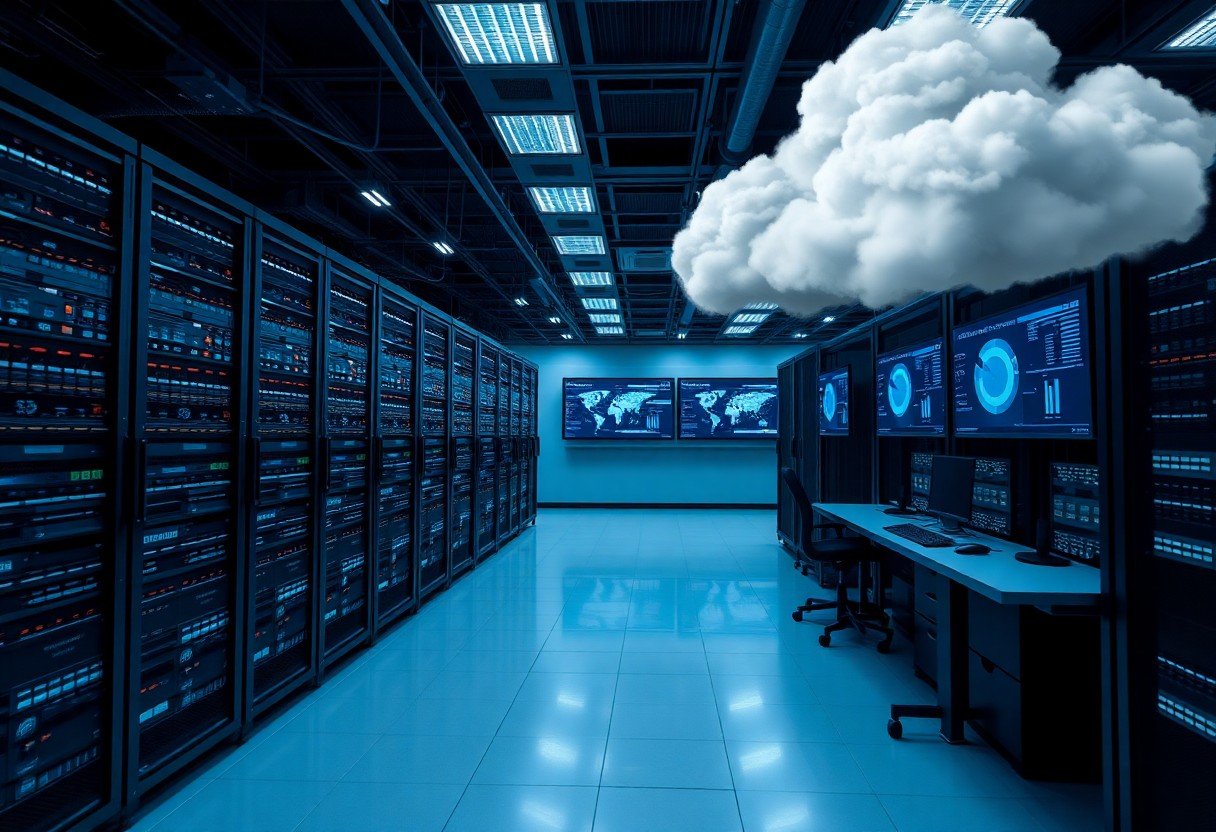
A multi-station network consists of multiple interconnected locations or terminals that facilitate communication and operation within an organization. Each station can independently access shared resources, such as databases, applications, and hardware, fostering collaboration and boosting productivity. You’ll find these networks prevalent in environments like manufacturing, where different stations monitor and control processes, or in office settings where employees work across various locations.
The efficiency of a multi-station network lies in its ability to handle numerous simultaneous connections while enabling resource sharing. This architecture allows you to easily integrate new stations, ensuring the network scales with your organizational needs, thus enhancing operational capabilities.
Components of Multi-Station Networks
Key components of a multi-station network include servers, workstations, network devices, and software applications. The servers act as central hubs, storing data and applications accessed by the various workstations. Workstations include laptops and desktops where users interact with network resources, while network devices such as routers and switches facilitate data transmission between these entities.
Each of these components plays a critical role in maintaining network integrity and performance. Software applications may range from communication tools to databases, allowing you to manage your operations effectively. Understanding how these components interact within your network is fundamental for optimal performance and troubleshooting.
In addition, security measures should be in place to protect these components from unauthorized access or data breaches. Implementing firewalls, intrusion detection systems, and regular software updates becomes necessary to maintain a robust and secure environment.
Challenges in Managing Multi-Station Networks
Managing a multi-station network can be fraught with challenges, including network congestion, latency issues, and complexities in data synchronization. With multiple stations accessing shared resources simultaneously, you may encounter bandwidth limitations that could slow down network performance. This becomes particularly evident during peak operational hours when the demand on the network spikes.
Additionally, the need for constant maintenance and updates can strain your IT resources. As the number of connected stations increases, ensuring each component operates smoothly and integrates well with others also becomes more challenging. You must stay vigilant for connectivity issues and regularly assess your infrastructure to identify potential bottlenecks.
Another significant challenge lies in managing user access and permissions across various stations. Implementing an effective access control strategy is vital to prevent unauthorized access to sensitive data while ensuring that authorized users have the necessary permissions to perform their tasks without interruption.
The Integration of Cloud Computing in Multi-Station Networks
Centralized Management
With cloud computing, you can effortlessly manage multiple stations from a single interface. This centralized management means that ongoing updates, software installations, and security protocols can be deployed universally, ensuring consistency across your network. For instance, you might reduce time spent monitoring each station individually by automating tasks through a cloud-based dashboard, which provides real-time visibility and control.
This paradigm allows you to apply standardized practices across all locations, which is particularly beneficial if your network spans vast geographical areas. Centralized management not only enhances efficiency but also significantly decreases the risk of human error during updates or configuration changes, leading to improved overall network reliability.
Scalability and Flexibility
One of the standout features of cloud computing is its ability to scale resources quickly and efficiently. As your business grows and additional stations are needed, cloud services allow you to expand your capacity without the need for heavy upfront investments in hardware. You can often adjust your resources on demand, meaning you pay only for what you use, which can align directly with your operational needs.
Flexibility also comes into play when considering diverse applications. With cloud computing, you can easily integrate various software solutions suited to different stations, tailoring functionalities that specifically meet the needs of each location. This adaptability allows your network to utilize the best tools available according to specific operational requirements, thus maximizing productivity.
The on-demand scalability ensures that you won’t face resource shortages during peak times, as you can quickly provision additional instances of services or storage. Likewise, when your load decreases, the cloud can let you scale back, helping you maintain optimal performance without incurring unnecessary costs.
Cost-Effectiveness
By integrating cloud computing into your multi-station network, you can significantly lower costs associated with IT infrastructure. Traditional setups often require substantial investments in servers and maintenance, whereas cloud solutions typically operate on a subscription or pay-as-you-go basis. This shift not only reduces capital expenditures but also alleviates ongoing operational costs such as server management and electricity.
Moreover, the reduced need for in-house IT staff translates into further savings. When most of your network operations are managed through the cloud, it streamlines staffing demands and allows you to allocate resources toward more strategic initiatives rather than day-to-day maintenance.
As you analyze your budget, the move to cloud technology can yield a favorable return on investment. The combined savings on equipment, maintenance, and staffing can often lead to tangible improvements in overall profitability for your organization.
Enhanced Collaboration through Cloud Computing
Real-Time Data Sharing
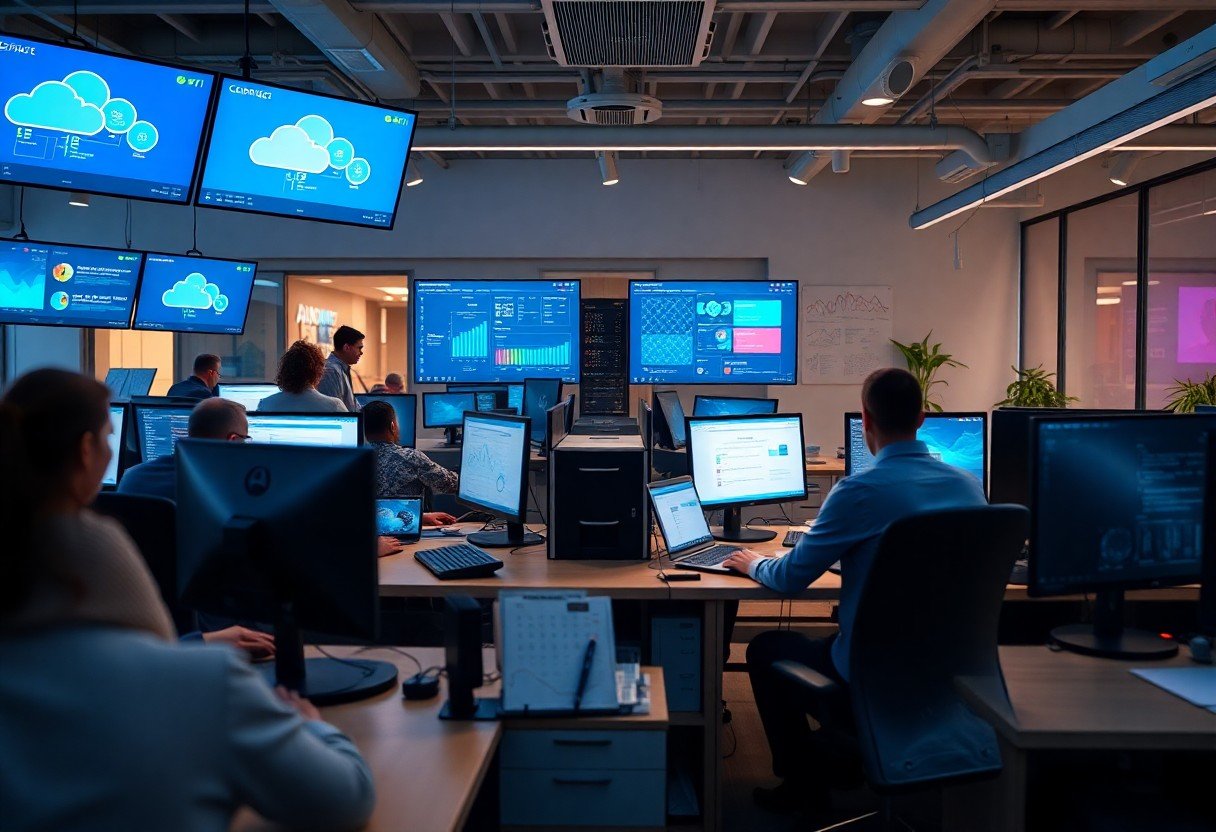
With cloud computing, your organization can achieve unparalleled real-time data sharing among different stations and teams. This seamless flow of information allows for immediate access to critical updates, eliminating delays that can hinder productivity. For instance, if one station updates its inventory status, all other connected stations can view this change within seconds, enhancing efficiency and decision-making across the board.
Cloud platforms often integrate various data analytics tools that enable you to visualize and interpret shared data live. You can utilize dashboards that pull data from multiple sources, giving you real-time insights into operations, trends, and performance metrics. Such capabilities empower you and your team to make informed decisions quickly, keeping your operations agile and competitive.
Improved Communication Tools
Cloud computing facilitates improved communication tools that help your teams work together more effectively, regardless of their physical location. By leveraging applications like cloud-based messaging, video conferencing, and collaborative document editing, you can ensure that team members communicate clearly and efficiently. For example, tools like Slack or Microsoft Teams can be integrated into your cloud environment, enabling instant messaging and video calls that enhance team dynamics.
Additionally, the ability to share documents in real-time reduces miscommunication and improves collaboration on projects. You can invite team members to edit documents simultaneously, offering a more interactive and engaging approach to teamwork. This shift to cloud-based communication not only enhances productivity but also fosters a culture of collaboration and innovation.
The availability of these communication tools in a cloud environment ensures that you are not limited by geographic boundaries. Teams spread across different locations can participate equally in discussions and project planning, leading to a more cohesive work culture.
Remote Access Capabilities
One of the most significant benefits of cloud computing is its remote access capabilities. This functionality allows you and your team to access critical applications and data from anywhere, provided there is an internet connection. This flexibility caters to diverse working styles, enabling team members to remain productive during travel or while working from home, a necessity for modern workplaces.
Cloud services often include robust security protocols to protect sensitive information while accessed remotely, ensuring that your data remains secure irrespective of location. For instance, using a Virtual Private Network (VPN) in conjunction with your cloud services can help secure connections from different devices, especially when dealing with sensitive information.
Being able to access resources remotely means your team can respond to issues instantly, regardless of time zones or physical barriers. This capability not only optimizes your operations but also contributes to higher employee satisfaction as they gain the flexibility to manage their work environments more effectively.

Security Considerations in Cloud-Based Multi-Station Networks
Data Protection Strategies
In a multi-station network, safeguarding your data should be a top priority. Implementing robust encryption techniques both at rest and in transit provides an crucial layer of security. For example, using AES-256 encryption helps protect sensitive information from unauthorized access, ensuring that even if a breach occurs, your data remains secure and unreadable. Additionally, leveraging multi-factor authentication (MFA) can significantly enhance your security posture by requiring multiple forms of verification before granting access to your systems.
Regularly conducting penetration testing and security audits of your cloud infrastructure is vital. These assessments help you identify vulnerabilities and weaknesses in your defenses, allowing you to address them proactively. Employing a robust data backup strategy can also mitigate risks associated with data loss. By storing backups in multiple locations—both on-premises and in the cloud—you strengthen your data recovery capabilities in the event of an incident.
Compliance and Regulatory Issues
Navigating compliance and regulatory frameworks is crucial for maintaining the integrity of your multi-station network. You must familiarize yourself with regulations such as the General Data Protection Regulation (GDPR) and the Health Insurance Portability and Accountability Act (HIPAA) if you handle personal data or sensitive health information. Non-compliance can result in severe penalties, including fines that can reach up to 4% of your annual global turnover. It’s vital to implement policies that ensure compliance across all stations and cloud services.
To effectively manage compliance, consider utilizing cloud providers that offer built-in compliance certifications and documentation. By partnering with a provider that adheres to industry standards, you mitigate the risk of compliance breaches. Regular training sessions for your staff regarding data protection laws and best practices will further reinforce your commitment to maintaining compliance.
Furthermore, keeping abreast of changes in legislation is necessary for your ongoing compliance efforts. This vigilance ensures that your policies and practices evolve with new regulations, thus protecting your organization from legal repercussions.
Risk Management
Effective risk management strategies are crucial for securing your cloud-based multi-station network. Begin by conducting a thorough risk assessment to identify potential threats and vulnerabilities within your infrastructure. This assessment should encompass both internal and external risks, such as data breaches, system outages, and disruptions caused by natural disasters. By understanding these risks, you can develop mitigation strategies tailored to your specific organizational needs.
Establishing a comprehensive incident response plan is another key component of risk management. This plan should outline clear procedures for detecting, responding to, and recovering from incidents. Regularly testing and updating the plan will ensure that your team remains prepared to act swiftly and effectively in the event of a security breach or other incident.
Integrating a risk management framework into your organizational culture helps promote a proactive approach to security. Encourage employees to identify potential risks and report them immediately, fostering an environment of vigilance and accountability.
Tools and Technologies Supporting Cloud-Based Management
Cloud Management Platforms
Cloud management platforms (CMPs) play a pivotal role in the administration of your multi-station network. These tools offer a unified interface for provisioning, managing, and optimizing cloud resources across various environments. With solutions like VMware vRealize or Cisco CloudCenter, you can automate workflow processes and improve visibility into resource allocation, ensuring your network operates efficiently. The ability to manage hybrid cloud configurations allows you to extend resources dynamically and scale as your needs change.
Moreover, CMPs often integrate monitoring and analytics features, providing you with detailed insights into performance metrics and potential bottlenecks. This enables you to make informed decisions and swiftly address any issues that could disrupt operations. By utilizing such platforms, you can enhance governance, minimize risks, and achieve better compliance across all your stations.
Network Monitoring Solutions
Implementing effective network monitoring solutions is important for maintaining optimal performance and security across your multi-station network. Tools such as Nagios or SolarWinds give you comprehensive visibility into your network’s health by tracking performance, availability, and responsiveness in real time. With these solutions, you can identify issues before they escalate, reducing downtime and improving user experience.
Additionally, network monitoring solutions often come equipped with analytical capabilities, allowing you to analyze trends over time. This data is invaluable, providing actionable insights that facilitate proactive management. Whether it’s addressing a spike in usage or detecting unauthorized access, you gain the upper hand by being able to respond promptly to anomalies that might compromise your network integrity.
By utilizing network monitoring tools, you can expect significant improvements in operational efficiency. For example, organizations that adopted SolarWinds reported a 50% reduction in outage-related incidents within the first year of use. This not only enhances service delivery but also contributes to higher customer satisfaction and retention.
Automation Tools
Automation tools are transformative in managing a multi-station network effectively. They streamline repetitive processes, allowing you to focus on strategic initiatives rather than manual tasks. Solutions like Ansible and Puppet automate configuration management, software deployment, and system updates, which can save your team countless hours. This shift not only increases productivity but also minimizes human error, contributing to a more stable network environment.
These tools also bring consistency to your operations. By standardizing processes across all stations, you ensure that every aspect of your infrastructure adheres to your organizational policies and compliance requirements. For example, an enterprise automating its system updates reported a 70% decrease in compliance-related challenges.
With automation tools, you set up a reliable framework for continuous improvement. By adopting policies that trigger automated responses to specific conditions, you can maintain high service levels even during peak traffic periods. This ensures your network is always prepared to meet your operational demands without excessive manual intervention.
Conclusion
So, as you navigate the complexities of managing a multi-station network, integrating cloud computing can significantly enhance your operational efficiency and scalability. By leveraging cloud resources, you can centralize data management and enable seamless collaboration across different locations. This approach not only simplifies your infrastructure but also allows for real-time updates and remote access, ensuring that your team remains connected and productive regardless of their physical location.
In addition, cloud computing provides a level of flexibility that is imperative in today’s fast-paced business environment. You can easily scale your resources up or down based on your network demands, optimizing costs without sacrificing performance. Embracing cloud technology in your multi-station network management not only positions you for immediate benefits but also prepares your organization for future growth and innovation.