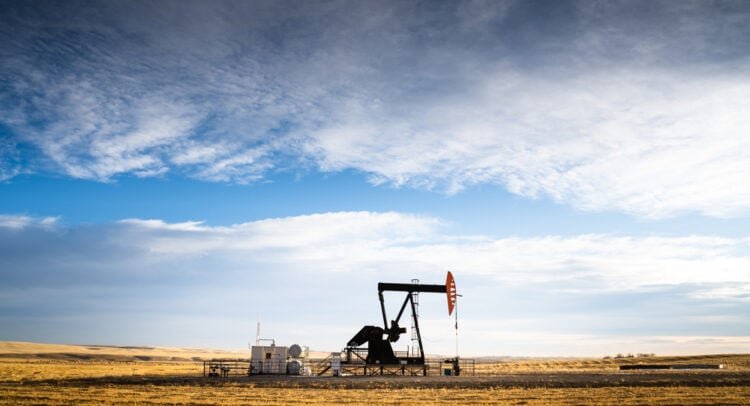



Canada’s oil and gas sector is staring down a financial cliff as global demand for fossil fuels begins to fade. Billions in revenue and thousands of jobs could vanish within a decade, leaving governments and investors scrambling to adapt.
What Happened
The energy transition is reshaping Canada’s economic landscape. New projects in oil and gas are now at risk of delivering far less value than expected, with up to 30% of sector value potentially lost in a fast-moving shift to cleaner energy. This risk is not just for companies—it hits provincial budgets hard, threatening the fiscal stability of regions that rely on fossil fuel revenues.
Provincial oil and gas revenues could fall by more than 80% in the 2030s if the world sticks to climate targets. Even if the transition slows, the upside for new projects is dwarfed by the downside risk. The sector is also facing mounting costs for decommissioning old infrastructure, adding further pressure to government and corporate balance sheets.
Why It Matters
For provinces like Alberta, Saskatchewan, and Newfoundland and Labrador, oil and gas are not just industries—they’re lifelines. These regions have built their economies around fossil fuel revenues, and a sharp drop could mean deeper deficits, cuts to public services, or new taxes. The impact will ripple through communities, affecting everything from healthcare to education.
Jobs at Risk
The workforce is not immune. Employment in the oil sands is projected to fall by 95% by 2050, from 100,000 jobs to just 5,000. Automation and shrinking global demand are driving this trend, and it’s happening regardless of whether new projects are approved. The jobs that remain will be fewer and more specialized.
Investor Exposure
Oil and gas companies make up a significant share of investments on the Toronto Stock Exchange. As these companies lose value, the impact will be felt by pensions, mutual funds, and retirement savings across the country. The risk of stranded assets—investments that lose value before they can pay off—is now a central concern for investors and policymakers alike.
Key Details
Canada’s oil and gas production is expensive compared to other global producers, making it vulnerable to price drops and competition. Export routes are limited, and new infrastructure like liquefied natural gas terminals is costly and uncertain. Even technologies like carbon capture are unlikely to shield the sector from declining demand.
- Provincial revenues from oil and gas could collapse by over 80% in the 2030s.
- Up to 66% of future capital investments in oil and gas projects are at risk of becoming stranded.
- Employment in the oil sands is projected to fall by 95% by 2050.
- Oil and gas companies make up about 16% of investments on the Toronto Stock Exchange.
The sector’s high costs and reliance on global demand make it increasingly vulnerable to market shifts and climate policy.
What Comes Next
Provincial and federal governments must prepare for a future with much lower oil and gas revenues. Diversifying into clean energy and critical minerals offers a path to long-term fiscal stability and investor returns. Strategic planning and investment in new industries will be crucial to protect workers, communities, and public finances.
The energy transition is not just an environmental issue—it’s an economic reality. The sooner Canada adapts, the better positioned it will be to thrive in a changing world.