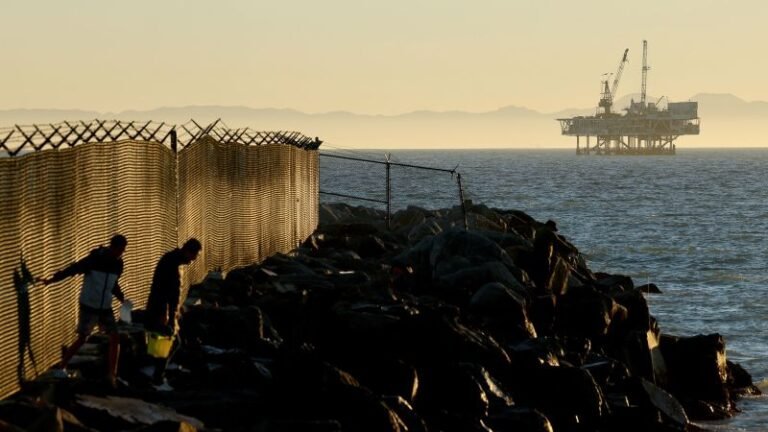



Offshore oil and gas drilling could soon return to the waters off California, sparking fierce debate and setting the stage for a major environmental showdown.
What Happened
The federal government has unveiled a sweeping new plan to dramatically expand offshore oil and gas leasing, including for the first time in decades, auctions off the California coast. The proposal targets waters in Southern California, Alaska, and the Gulf of Mexico, with as many as 34 lease sales scheduled between 2026 and 2031.
These auctions would open vast stretches of ocean to fossil fuel exploration, reversing years of restrictions and marking a sharp pivot toward aggressive domestic energy development. The plan also includes lease sales in nearly every major offshore region of Alaska, from the southern Gulf to the High Arctic, as well as the eastern Gulf near Florida.
Why It Matters
The move signals a major escalation in the push to boost U.S. fossil fuel production, with officials citing rising global energy demand and the need for increased exports. The administration argues that expanding offshore drilling will strengthen energy security and support economic growth.
But critics warn the plan could have serious environmental consequences, threatening marine ecosystems and undermining climate goals. Offshore drilling remains a flashpoint in the national debate over energy policy, with coastal communities and environmental groups expressing deep concern.
California’s governor has already declared any attempt to allow drilling near the state’s coast “dead on arrival,” signaling a likely legal and political battle ahead.
Key Details
Scope of the Proposal
- Up to 34 offshore lease auctions planned across California, Alaska, and the Gulf of Mexico.
- California auctions would be the first in decades, targeting Southern California waters.
- Alaska leases would cover the southern Gulf, northern Beaufort Sea, and High Arctic.
- Gulf sales would focus on Texas and Louisiana, with additional auctions near Florida’s western shore.
Timeline and Implementation
Lease sales are scheduled to begin as early as 2026, with most occurring between 2027 and 2031. The plan cancels previous restrictions and adds to existing lease commitments, significantly expanding the federal footprint for offshore drilling.
It’s important to note that lease sales do not guarantee actual drilling or production—many factors, including market conditions and legal challenges, will determine what ultimately moves forward.
What Comes Next
The proposal is expected to face immediate opposition from environmental groups, coastal states, and lawmakers. Legal challenges and public outcry could delay or block some auctions, especially off California.
Meanwhile, the oil and gas industry is likely to push for swift implementation, arguing that expanded offshore leasing is essential for meeting energy needs and supporting jobs.
The coming months will be critical as stakeholders prepare for a high-stakes battle over the future of offshore drilling in the United States.
As the debate unfolds, the outcome could reshape the nation’s energy landscape and set a precedent for how the U.S. balances economic growth with environmental protection.