


“`html
New offshore oil and gas drilling plans in the Gulf of Mexico have ignited a rare wave of bipartisan opposition, uniting political leaders who rarely agree. The proposals target areas off Florida’s coast, stirring fears over environmental risks, military disruptions, and threats to the state’s vital tourism economy.
What Happened
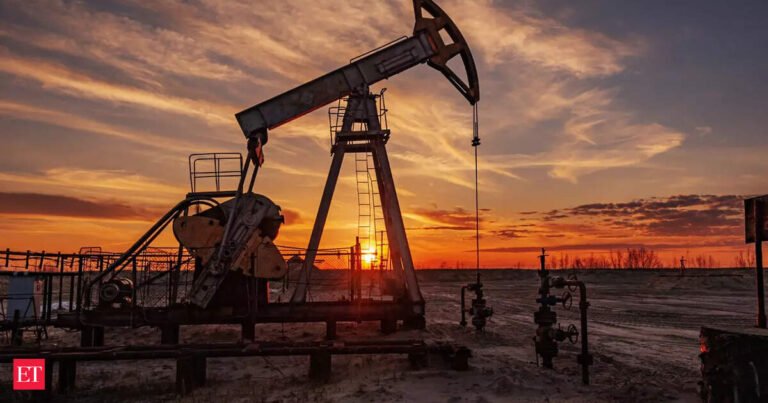
The federal government unveiled a sweeping plan to open large swaths of the Gulf of Mexico, including zones just 100 miles off Florida’s Gulf Coast, for oil and gas drilling lease sales. This move marks a sharp reversal from previous restrictions that protected these waters from energy development for nearly two decades.
Key to the controversy is that some of these newly proposed drilling areas overlap with spaces reserved for military training missions, previously protected to safeguard national security operations.
Florida’s governor and multiple members of Congress from both parties have condemned the proposal, calling for a reconsideration to preserve both military readiness and environmental integrity.
Why It Matters
Environmental and Economic Stakes
Florida’s coastline is not just a scenic treasure but a cornerstone of the state’s economy, fueled by tourism, recreation, and fisheries. Introducing offshore drilling introduces significant risks including oil spills, habitat disruption, and pollution, any of which could devastate beaches and waterways crucial to business and lifestyle.
Military Concerns
Military officials stress that the Gulf region in question is vital for training and testing exercises essential to national defense. Encroachment by drilling operations could hinder these activities, raising alarms about readiness and security implications.
The presence of offshore rigs could directly interfere with training zones, a risk that political leaders emphasize as unacceptable.
Key Details
- The proposal includes up to 34 lease sales across various U.S. offshore areas, with Florida’s Gulf waters prominently featured.
- A bipartisan cohort, including Florida Republicans and Democrats alike, have expressed unified opposition—highlighting an uncommon political alliance.
- Governor Ron DeSantis actively urged the Interior Department to honor the 2020 memorandum that restricted offshore drilling near Florida until at least 2032.
- Some lawmakers have introduced legislation aimed at permanently banning new offshore drilling in Florida’s Gulf and Atlantic waters.
- Environmental groups warn that the plan would exacerbate climate change pressures by expanding fossil fuel extraction instead of pivoting to renewable energy.
What Comes Next
The Interior Department is slated to open a public comment period, allowing communities and stakeholders to weigh in on these proposals. Political and grassroots opposition is expected to intensify in the coming months.
Both Florida’s elected officials and environmental advocates are preparing legal and legislative campaigns to block or delay the planned leases.
This issue has quickly become a flashpoint for broader debates about energy policy, environmental stewardship, and national security — with Florida’s coast at the center of the storm.
The unfolding response will shape not only the Gulf’s future but also the national conversation on balancing resource development with protecting vital ecosystems and military interests.
“`