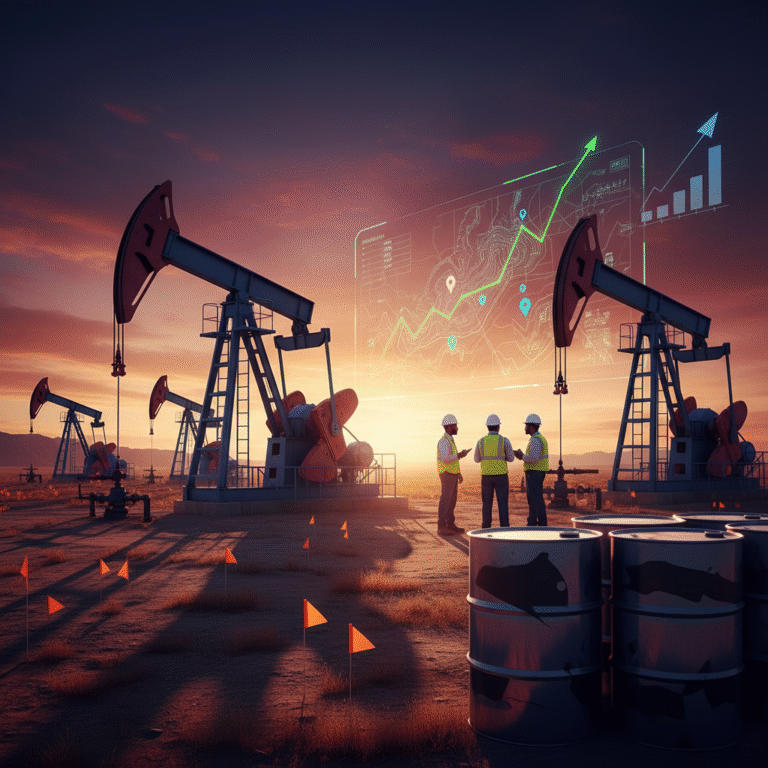



Big banks have injected an additional $2 billion into oil and gas financing in the Amazon since last year, significantly escalating risks to one of the world’s most critical ecological and cultural regions. This surge in funding highlights the growing involvement of major financial institutions in fossil fuel projects that threaten vast carbon sinks, biodiversity, and Indigenous communities within the Amazon.
## The Growing Financial Appetite for Fossil Fuels in the Amazon
Despite global climate commitments and mounting evidence of fossil fuels’ environmental harm, leading banks have intensified their support for oil and gas operations in the Amazon. Since last year, the cumulative financing for these projects surged by approximately $2 billion, reflecting broader trends where banks increased fossil fuel funding by over $160 billion worldwide in 2024. U.S. institutions such as JPMorgan Chase, Bank of America, and Citigroup are key players in this expansion, significantly boosting their fossil fuel portfolios[1][5].
This uptick in investment contrasts sharply with international climate goals, as the Amazon rainforest holds nearly a fifth of the world’s recently discovered oil and gas reserves. Financial backing currently enables exploration and exploitation activities that entail deforestation, ecosystem disruption, and emissions that undermine the Paris Agreement targets[6].
## Environmental and Cultural Threats from Oil and Gas Expansion
The expansion of oil and gas in the Amazon directly endangers a critical carbon sink containing roughly 9.6 billion metric tons of sequestered CO2 equivalents. Industrial activity in the region risks disturbing about 19% of this carbon stock, an amount disproportionately large compared to some nations’ climate targets[2]. Such disturbance would accelerate climate change and reduce the rainforest’s capacity to regulate global temperatures.
Beyond climate implications, oil and gas projects jeopardize some of the richest biodiversity on the planet, including fragile coral reefs and marine ecosystems near the Amazon river mouth. Proposed offshore drilling raises concerns about spills and pollution affecting multiple countries and thousands of marine species. Terrestrial habitats are equally imperiled, with exploration infringing upon protected areas and Indigenous territories, threatening people whose livelihoods and cultures are rooted in intact forest ecosystems[4][8][10].
## Impact on Indigenous Peoples and Local Communities
Indigenous peoples have long borne the brunt of fossil fuel extraction in the Amazon. Oil operations have led to contamination of water sources, health hazards, and displacement of communities. More than two-thirds of Indigenous communities in some Amazonian nations face overlapping oil and gas concessions, placing their ancestral lands and rights at risk. Plans for refinery expansions and new drilling exacerbate these pressures, raising alarms about the survival of groups living in voluntary isolation and their knowledge systems essential for forest conservation[2][8][11].
Indigenous leaders and environmental advocates warn that ongoing bank financing – particularly from the world’s largest firms – fosters destruction and social injustice. They call on these financial institutions to take responsibility for the ecological and human costs tied to their investments and to cease backing projects that undermine the Amazon’s integrity[8][13].
## The Role of Banks and the Need for Accountability
The renewed commitment by big banks to fossil fuel financing reveals a significant gap between their public climate pledges and actual investment behavior. Many major banks have increased their funding for oil and gas companies despite increasing evidence of environmental degradation and the global urgency to transition to renewable energy. Analysts stress that voluntary commitments by banks are insufficient to curb financing for fossil fuels; stronger regulation and civic pressure are critical to restrict financial flows enabling deforestation and extractive activities in sensitive regions like the Amazon[3][5].
Pressure is mounting on financial institutions to align their portfolios with climate goals, respect Indigenous rights, and support biodiversity conservation. Ending fossil fuel finance in the Amazon is imperative to safeguard not only the region’s ecological balance but also global climate stability.
## Conclusion
The infusion of $2 billion by big banks into Amazonian oil and gas projects since last year highlights an alarming trend at the intersection of finance, environmental stewardship, and human rights. This financing fuels activities that jeopardize the Amazon’s vital carbon stores, rich biodiversity, and the survival of Indigenous peoples. As global climate urgency intensifies, it is critical that banks reevaluate their role in perpetuating fossil fuel dependence and commit to funding sustainable alternatives that preserve the Amazon’s irreplaceable natural heritage. The future of the rainforest—and by extension, the planet—depends on urgent financial accountability and decisive action to halt oil and gas expansion in this fragile region.