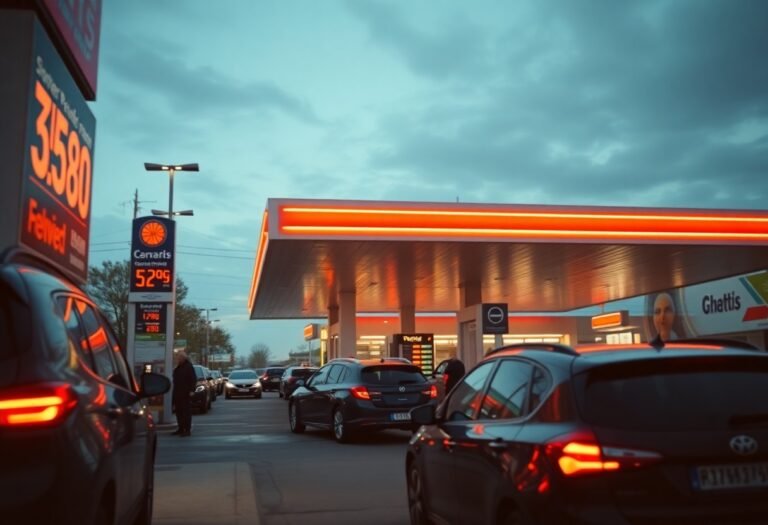



Over the past few years, you have likely experienced the transformation in how fuel is purchased, as app-based and contactless payments have surged in popularity. This shift not only enhances your convenience but also reduces the need for physical cash or cards, minimizing the risk of theft and fraud. With smartphone technology paving the way for seamless transactions, you can now fuel your vehicle quickly and safely, changing the landscape of convenience in the gas station experience.
Understanding Frictionless Fueling
Definition of Frictionless Fueling
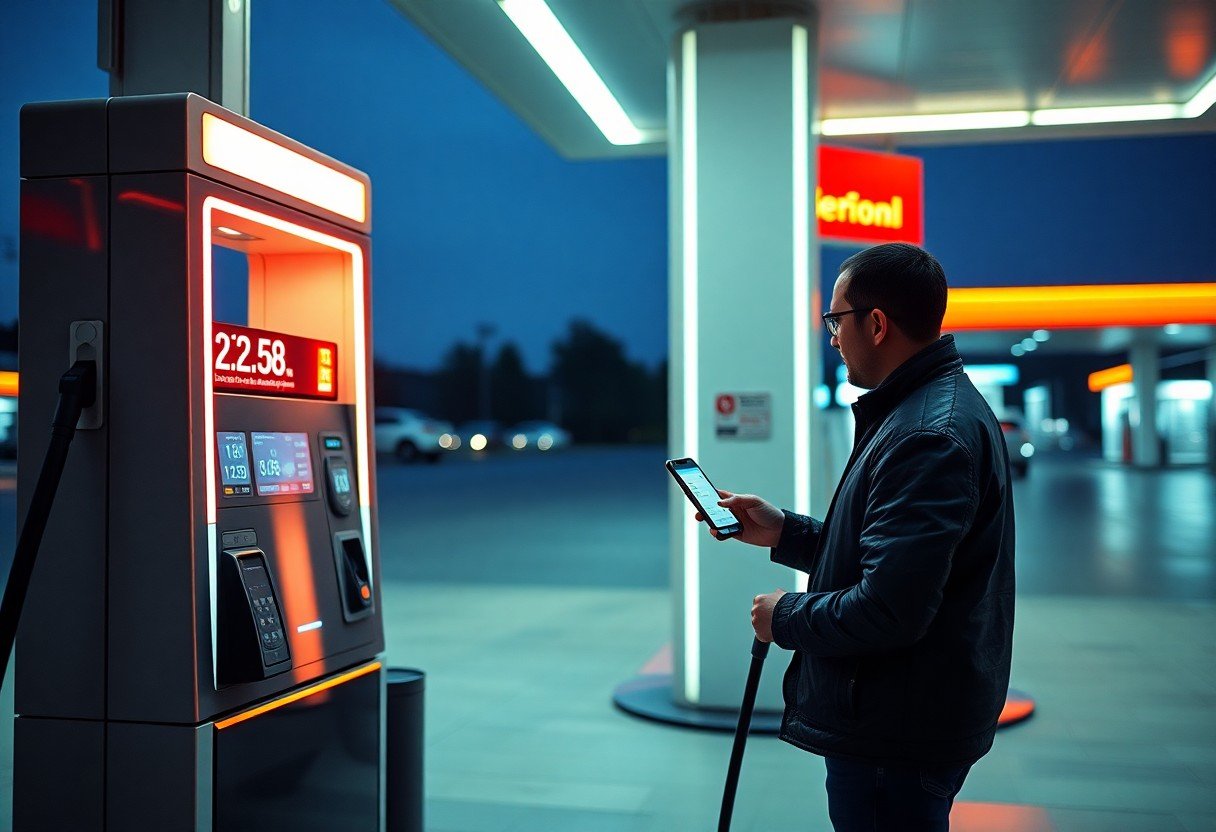
Frictionless fueling You may find yourself simply pulling into a station, choosing your pump, and starting the fueling process directly from an app on your phone, which securely processes your payment while you remain in your vehicle.
This frictionless experience often integrates features like pre-filled payment information, loyalty rewards, and real-time promotions, making the entire process not only faster but also more rewarding. As more stations adopt such technologies, a shift in consumer expectations is evident, with many now anticipating these conveniences as the standard rather than a luxury.
Historical Context
The evolution of fueling payment methods has been swift, particularly in the last decade. Initially, the only options were cash or card transactions at the pump or inside the convenience store. As technology advanced, gas stations began to roll out card readers at pumps, which allowed for quicker transactions. However, these still often involved waiting for approvals and manually handling cards.
With the arrival of mobile wallets and app-based solutions, this model transformed dramatically. For instance, in 2012, just 15% of consumers used mobile payments, but by 2022, that figure surged to over 50%. This shift towards mobile and contactless payments corresponds with growing consumer demand for convenience and speed, driving gas retailers to innovate continuously and adopt frictionless fueling solutions.
The push for frictionless fueling gained significant momentum during the COVID-19 pandemic, as health concerns over touching surfaces prompted many to seek contactless alternatives. Gas stations began partnering with tech firms to enhance app functionalities, allowing for features like remote start options and digital loyalty programs, responding to consumer expectations for safer and more efficient fueling experiences.
The Evolution of Payment Methods
Traditional Payment Systems
For decades, payment systems relied heavily on cash and credit cards. Carrying cash was the norm, and cards were swiped or inserted into machines for transactions. You likely remember the hassle of waiting in long lines while the cashier processed payments or the anxiety of having your card declined unexpectedly. These experiences highlighted the need for more efficient and user-friendly payment options.
Traditional methods also left room for errors and fraud, making consumers wary. The reliance on physical currency and magnetic stripe cards posed challenges, especially when considering international travel, where exchange rates and transaction fees could add up quickly. Your experience often varied based on your location and the retailer’s capabilities, leading to inconsistencies in service quality.
Emergence of Digital Payments
With the advent of the internet and mobile technology, digital payments began to rise. Services like PayPal set the stage, allowing you to make online transactions without physical currency. This shift not only simplified purchasing but also encouraged online shopping, where you could complete transactions with just a few clicks. By 2020, digital payments accounted for over 50% of global transactions, showing the significant shift in consumer behavior.
Innovations such as mobile wallets and payment apps further streamlined the process. Services like Venmo and Apple Pay enabled you to send money instantly, transforming how you handle payments. You no longer have to enter lengthy card details for every transaction, paving the way for a more convenient and rapid payment experience.
Rise of Contactless Transactions
The transition to contactless transactions was accelerated by advancements in NFC (Near Field Communication) technology. You may have noticed an increasing number of merchants equipped with contactless readers, allowing you to simply tap your card or smartphone to complete a purchase. This shift has not only enhanced your experience at the pump but across various retail sectors, eliminating the need for physical contact or cash handling.
Contactless payments surged during the COVID-19 pandemic as consumers sought safer, hygienic alternatives to traditional methods. According to a recent report, over 40% of consumers now prefer contactless payments, a trend that is unlikely to reverse. Your ability to make transactions quickly and securely has redefined how you interact with retailers.
The Role of Mobile Applications
Overview of Fueling Apps
Mobile fueling applications have revolutionized the way you approach filling your tank. Platforms like Shell’s Fuel Rewards, BPme, and ExxonMobil’s Speedpass+ provide a streamlined experience that eliminates traditional payment hassles. With just a few taps on your smartphone, you can find nearby gas stations, check fuel prices, and initiate payment, all within seconds. This convenience is appealing, with studies showing that over 60% of consumers prefer using apps for payments due to the time saved and the ease of managing transactions.
These apps typically come with additional features such as rewards programs, where you can earn points for every gallon purchased, leading to discounts on future fuel or other products. For instance, loyalty programs incorporated into these apps can boost your savings, with some users claiming to save up to $1,000 a year through such rewards. Whether it’s exploring promotions or managing your fuel expenses, these applications have positioned themselves as important tools for modern drivers.
User Experience and Design
The user experience of fueling apps plays a significant role in their adoption. Intuitive design and easy navigation are imperative; you want to get in and out quickly without unnecessary clicks. Most fueling apps prioritize a clean interface that showcases the necessary information right away, from gas prices to station locations, making sure that 92% of users feel satisfied with their interactions. This focus on aesthetics, combined with functionality, means you can enjoy a hassle-free experience that enhances your overall satisfaction.
Moreover, leading apps continuously update their interfaces based on user feedback. Engaging designs that feature clear buttons, larger text, and high-contrast colors aid visibility, especially in varied lighting conditions. These adjustments aren’t merely cosmetic; they enhance usability and decrease the chances of user errors, ensuring you can complete your transactions with confidence.
Security Features in App-Based Payments
Security is paramount when it comes to mobile payment solutions. All reputable fueling apps integrate advanced security measures such as end-to-end encryption, biometric authentication, and tokenization. When you make a payment, your sensitive data is transformed into a complex code that cannot be easily intercepted or misused. Additionally, these apps often provide you with transaction alerts, keeping you informed about any activities linked to your account.
Furthermore, regulatory compliance plays a significant role in ensuring your information remains protected. Many fueling apps adhere to standards set by the Payment Card Industry Data Security Standard (PCI DSS), giving you peace of mind that your financial data is handled with the highest security protocols. For users wary of cyber threats, the incorporation of these features significantly lowers the risks associated with mobile transactions.
The continuous evolution in security technologies means app developers are always one step ahead, regularly updating their systems to combat emerging threats. This commitment to customer safety fosters trust, allowing you to focus on enjoying the convenience of fuel payment apps without the worry of potential fraud.
Benefits of Frictionless Fueling
Convenience for Consumers
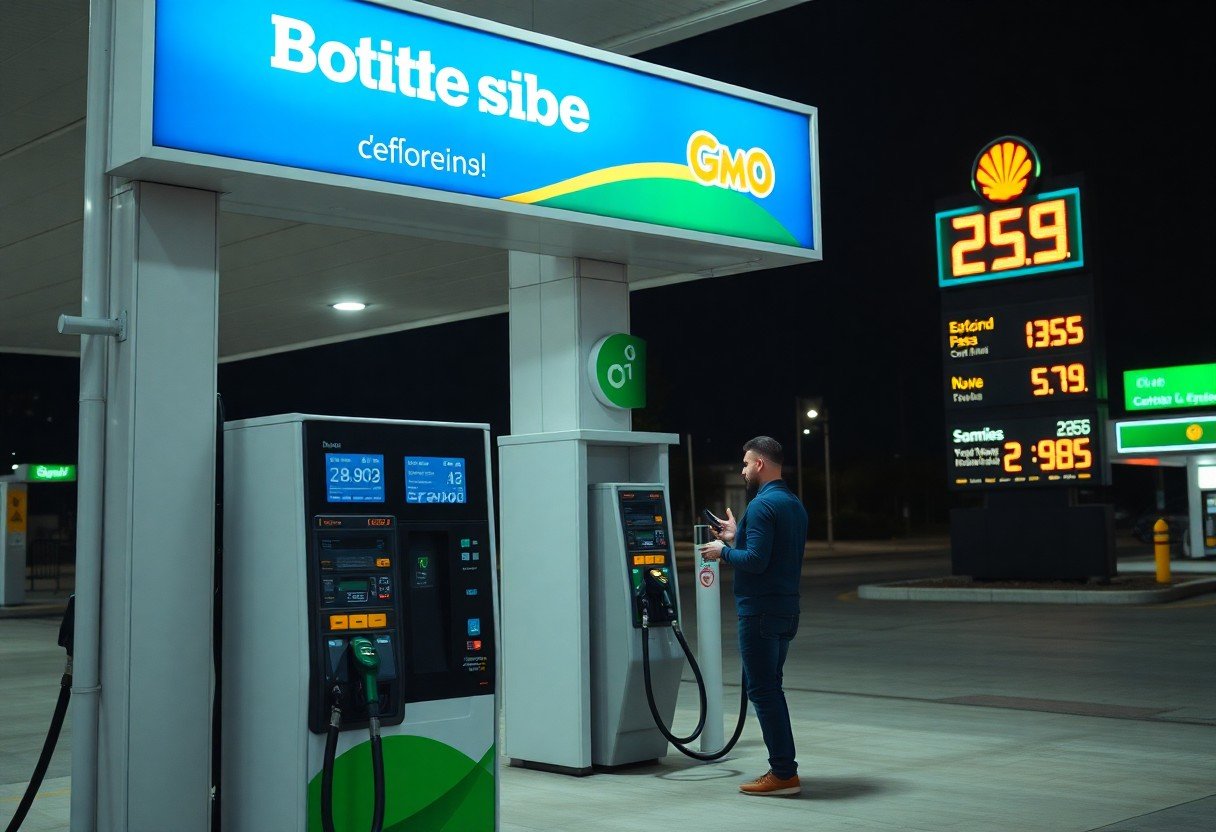
With frictionless fueling, the convenience factor is greatly enhanced. You can fill up your tank without stepping out of your vehicle, reducing time spent at the pump. Apps provide real-time updates on fuel prices at various stations, allowing you to make informed decisions quickly. In addition, many applications store your payment information, making transactions as easy as a few taps on your smartphone. This accessibility translates into a significant reduction in wait times, letting you get back on the road faster.
Moreover, integrated loyalty programs within fueling apps further enhance the experience. You can seamlessly earn rewards or discounts, thus not only simplifying the payment process but also incentivizing customers to return. As a result, you enjoy a more personalized fueling experience that aligns with your preferences and spending habits, making it a win-win situation.
Efficiency for Fuel Stations
Frictionless fueling systems also bring about a notable efficiency boost for fuel stations. By minimizing human interaction, stations can expedite transactions, leading to a streamlined operation. This allows staff to focus on maintaining the facility rather than managing long queues, ultimately improving overall service quality. A study indicated that stations implementing contactless payments saw a 25% increase in customer throughput, illustrating the tangible benefits of adopting such technologies.
Moreover, with automated inventory management linked to these apps, fuel stations can better track fuel sales and adjust inventory in real-time. This data-driven approach enables stations to optimize their supply chains, ensuring they have the necessary stock to meet customer demand without overspending on excess inventory.
Environmental Impact
The environmental advantages of frictionless fueling are becoming increasingly evident as technology evolves. A reduction in idling times when using contactless payments leads to lower emissions, significantly contributing to cleaner air. By streamlining processes at fueling stations, fewer vehicles are stacked in lines, thereby minimizing the carbon footprint associated with prolonged fuel transactions.
Moreover, many fueling apps encourage users to select eco-friendly options, such as biofuels or electric charging stations, which support sustainable practices. As this trend continues, vehicles can align more closely with their environmental commitments, and you can play a part in promoting cleaner energy solutions.
Industry Adoption and Trends
Current Market Statistics
The shift towards app-based and contactless payments is reflected in compelling market statistics. In 2022 alone, the global contactless payment market reached approximately $1 trillion, with projections indicating growth to over $2.5 trillion by 2026. According to the latest studies, around 70% of consumers prefer using mobile wallets for transactions, highlighting a significant change in consumer behavior. This increasing reliance on technology for convenience aligns with the ongoing trend of minimizing physical interactions in numerous sectors.
Your experience at the pump is likely to become increasingly digitized, as around 65% of fueling stations in North America have already adopted contactless payments. You can expect to see more major players integrating these systems to enhance customer satisfaction while improving operational efficiency.
Major Players in the Market
Key players such as ExxonMobil, Shell, and BP are leading the charge in the adoption of frictionless fueling technologies. These companies are not just adopting app-based payment options, but are also investing in innovative partnership strategies with fintech startups, ensuring that they remain at the forefront of this rapidly evolving market. In addition, businesses like PayPal and Square are enhancing their platforms to accommodate fuel stations and other retailers, further solidifying their role in simplifying transactions.
More than just traditional fuel providers, companies like WEX and Fleetcor Technologies are providing specialized solutions tailored for businesses. You will find that these players focus on streamlining processes for fleet operators, making payments faster and more efficient through innovative apps and contactless technologies.
Global Adoption Rates
Adoption rates for app-based and contactless payments vary significantly across the globe, with Europe and Asia leading the charge. Countries such as Sweden and the Netherlands report usage rates above 80%, while regions like North America are catching up quickly, with rates hovering around 50%. This disparity indicates a strong opportunity for growth in markets where contactless technology has yet to gain full traction, especially in rural areas and developing nations.
You might find it interesting that during the COVID-19 pandemic, many regions saw a rapid increase in contactless payment usage as customers sought safer shopping options. Recent surveys indicate that 56% of respondents globally express a preference for contactless methods over cash even as restrictions ease, solidifying the trend towards digital transactions.
Challenges and Obstacles
Technological Barriers
The adoption of app-based and contactless payment systems faces significant technological barriers that can hinder widespread implementation. Many fueling stations may lack the necessary infrastructure, such as updated point-of-sale systems and reliable internet connectivity, to support these advanced payment methods. According to a recent survey, approximately 30% of gas stations still operate with legacy systems that are incompatible with modern payment solutions, limiting your options for seamless transactions.
Moreover, issues related to software integration can complicate the transition. Many fueling service providers rely on multiple platforms for inventory, sales, and customer service. Integrating app-based payments into these existing systems requires not only financial investment but also time and adequate training for staff to ensure a smooth customer experience during transitions.
Consumer Trust and Security Concerns
While the benefits of contactless payments are evident, consumer trust and security concerns remain significant obstacles. You may hesitate to share personal and financial information with apps, fearing potential data breaches or fraud. A study revealed that 48% of consumers cited security as their primary concern when considering mobile payment solutions, underscoring the need for robust security measures and transparent privacy policies.
Additionally, incidents of financial fraud and identity theft linked to digital transactions can deter you from trying out app-based systems. Clear communication from service providers about security protocols, such as encryption and two-factor authentication, is important to build your confidence in using these new payment methods.
As you become more informed about the measures in place to protect your data, you may feel more inclined to adopt these technologies. Educational initiatives and public awareness campaigns can play a key role in enhancing your understanding of cybersecurity in the context of contactless payments, fostering a sense of security.
Regulatory Issues
Navigating the landscape of regulatory issues can pose a challenge for fueling service providers looking to adopt app-based payments. You may find that differing regulations across regions impact the implementation of payment systems. For instance, regulations regarding consumer privacy, data handling, and transaction processing can vary significantly, complicating compliance efforts for providers who operate in multiple markets.
Additionally, the swift pace of technological advancement often outstrips the regulatory frameworks designed to manage it. This disconnect can lead to uncertainty, where you, as a consumer, may be unsure about the safety and legality of using various applications for payments at fueling stations.
As regulations adapt to emerging technologies, you might see improved clarity and guidelines that support innovation in payment systems. Stakeholders must work together to advocate for policies that promote both consumer protection and the growth of app-based payment solutions.
Conclusion
From above, it’s clear that frictionless fueling through app-based and contactless payments is revolutionizing the way you interact with gas stations. This shift allows you to enjoy a seamless and efficient experience, eliminating the hassles of traditional payment methods. By embracing these technologies, you enhance not only your convenience but also contribute to a faster overall process, benefiting both yourself and other drivers.
As you adopt these innovations, you’ll find that they align with a broader trend towards digital solutions in everyday life. The growing acceptance of app-based payments at fueling stations signifies a commitment to improving your customer experience. By choosing contactless options, you not only streamline your fueling process but also participate in a more modern approach to transactions that prioritizes speed and efficiency.