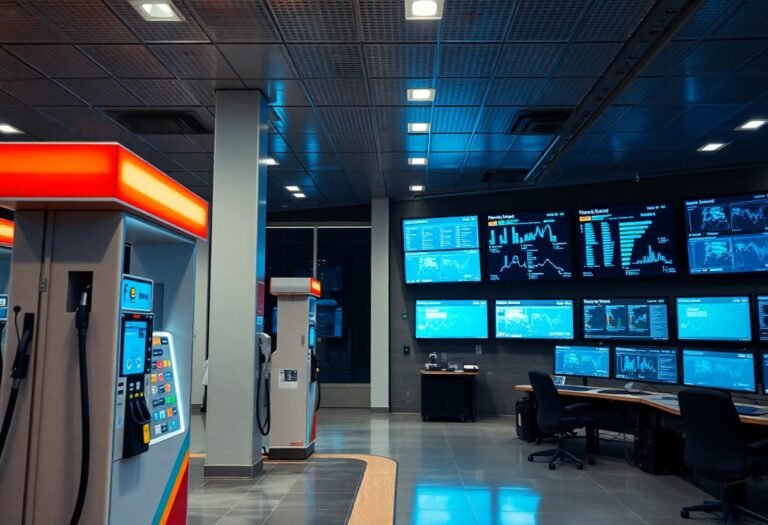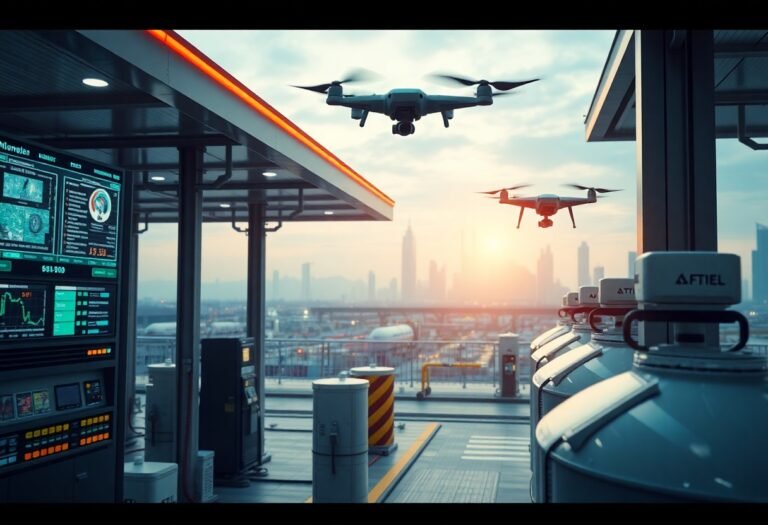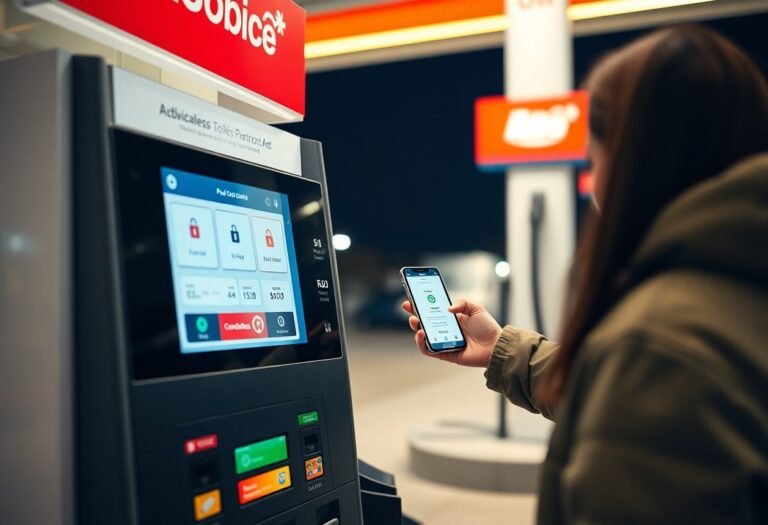



It’s crucial for you to understand how artificial intelligence is transforming the forecourt industry by predicting demand, optimizing pricing strategies, and enhancing security measures. By leveraging AI technology, you can improve your operational efficiency, adjust fuel prices dynamically based on real-time data, and ensure a safer environment for both staff and customers. This innovative approach not only increases profitability but also strengthens your overall business resilience in a competitive landscape.
The Role of Artificial Intelligence in Forecourt Operations
Understanding Forecourt Dynamics
Your forecourt’s success hinges on a multitude of dynamic factors influencing customer behavior and operational efficiency. Traffic patterns, time of day, and seasonal variations can significantly affect demand. For instance, studies indicate that forecourts near major highways often experience spikes in traffic during peak travel seasons, demanding adaptive strategies to manage fuel stocks and service availability. By leveraging AI to analyze real-time data from various sources, you can achieve a deeper understanding of these dynamics, ensuring that your operations are both responsive and proactive.
Moreover, customer preferences play a pivotal role in shaping your sales strategies. Understanding demographic shifts and purchasing trends allows you to cater to specific customer needs. With AI, you can simulate different scenarios to forecast fluctuations in demand based on historical data, leading to enhanced stock management. This unique visibility not only optimizes your inventory turnover but also improves customer satisfaction through reduced wait times and better service delivery.
Key Areas of AI Application
AI’s potential within forecourt operations spans several key areas designed to drive efficiency. One major application is predictive analytics, where algorithms analyze past sales data to forecast fuel demand accurately. This capability helps you maintain optimal stock levels, minimizing waste and ensuring prompt service. Additionally, AI can be utilized for price optimization, taking into account competitor pricing, fuel costs, and market trends to adjust prices dynamically. This approach not only maximizes profits but also reinforces your competitive position in the market.
Security also benefits from AI integration, with surveillance systems using machine learning to detect unusual activity or potential fraud in real-time. Integrating biometric systems, such as facial recognition, can enhance security measures while providing a seamless experience for your loyal customers. Beyond these areas, AI facilitates enhanced marketing strategies, allowing you to tailor promotions based on customer behavior and preferences, thus driving foot traffic and boosting sales.
As you explore AI’s capabilities, you’ll find that its multifaceted applications extend beyond mere efficiency; they encompass a holistic transformation of your operational approach. By combining predictive analytics, dynamic pricing, and advanced security measures, your forecourt can not only respond to immediate challenges but also anticipate future market trends, driving long-term sustainability and profitability.
Predicting Demand in the Forecourt
Historical Data Analysis
To effectively predict demand in your forecourt, analyzing historical data is crucial. This analysis allows you to identify patterns in customer behavior, seasonal fluctuations, and peak hours. For instance, a gas station might observe that fuel sales increase significantly during holiday weekends or major local events. By collating data from point-of-sale systems, you can assess sales trends over time, uncovering insights that inform more accurate demand predictions.
Your historical data should also incorporate external factors such as weather conditions, economic indicators, and regional traffic patterns. Utilizing tools like data visualization can help you spot these patterns and correlations at a glance. For example, studies show fuel sales drop by as much as 30% during severe weather events, making it vital to factor these anomalies into your forecasting models.
Machine Learning Algorithms for Demand Forecasting
Machine learning algorithms have transformed demand forecasting in the forecourt by providing higher accuracy than traditional analytical methods. These algorithms can analyze vast datasets rapidly, identifying complex patterns that would be difficult to uncover manually. Techniques such as regression analysis and neural networks allow you to input historical sales data and external variables, generating predictions tailored to your unique operational circumstances.
Among the most effective methods are time series forecasting and ensemble methods, which combine multiple predictive models to enhance accuracy. For example, a study reported a 15% increase in demand forecasting accuracy by implementing ensemble methods over single algorithm predictions. This improvement not only helps in stocking the right amount of fuel but also informs pricing strategies and promotions to maximize profitability.
Seasonal and Trend Influences
Seasonal and trend influences significantly affect demand in the forecourt, and understanding these dynamics equips you to better anticipate customer needs. Seasonal events, such as holidays or summer vacations, often lead to spikes in fuel sales, while weekdays might show a different consumption pattern compared to weekends. By analyzing these periods, you can strategically adjust inventory levels and staffing to match demand.
Moreover, long-term trends should also be factored into your forecasting. For instance, as electric vehicle adoption rises, fuel demand may shift, thereby altering the landscape of your operations. Staying ahead of these trends can position you as a leader in your market, allowing you to adapt pricing and promotional strategies proactively.
Recognizing and incorporating these seasonal and trend influences is not merely advantageous but necessary for maintaining competitiveness. Your ability to pivot based on predictable changes in customer behavior will undoubtedly strengthen your operational success.
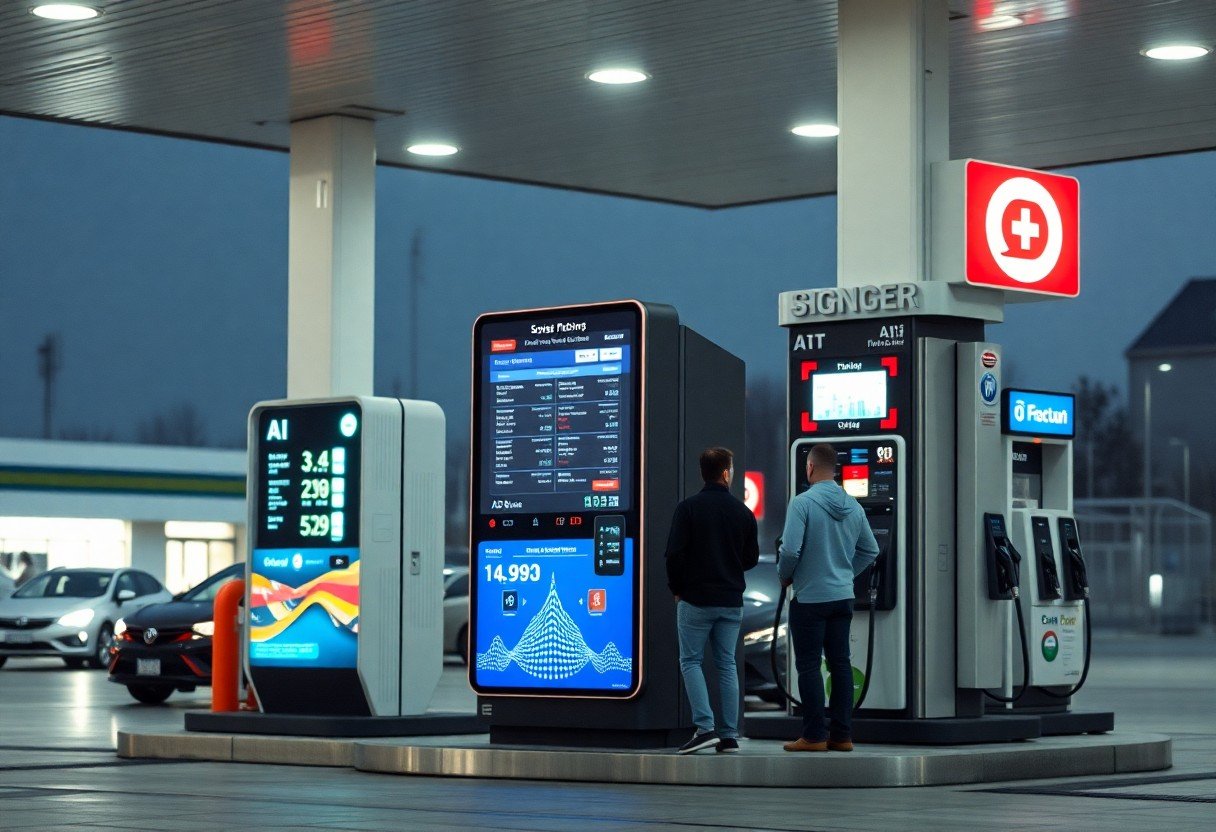
Optimizing Pricing Strategies
Dynamic Pricing Models
Dynamic pricing models empower you to adjust prices in real-time based on various data inputs such as demand fluctuations, competitor pricing, and market conditions. For instance, if you observe a spike in fuel demand due to a local event, AI algorithms can prompt price increases to maximize revenue without losing customers. The ability to shift prices dynamically not only optimizes profit margins but also ensures that you remain competitive by aligning with consumer willingness to pay.
Implementing these models requires integrating AI systems capable of processing vast amounts of data quickly. Many businesses report success rates of over 20% in revenue increases when utilizing dynamic pricing. By continuously learning from customer behavior and market trends, your pricing strategy becomes increasingly tailored, reducing the risk of underpricing or overpricing your products.
Competitive Pricing Analysis
Engaging in competitive pricing analysis allows you to stay ahead in a saturated market. By closely monitoring your competitors’ prices and promotions, you can strategically position your pricing to attract more customers while still maintaining profitability. Tools equipped with AI can provide real-time insights into competitor pricing changes, enabling you to react promptly and effectively.
For example, if a rival station offers a discount during peak hours, your pricing analysis system can suggest temporary adjustments to maintain your share. The key is understanding not just what your competitors charge but also how these prices impact customer perceptions and purchasing behaviors. By leveraging these insights, you can continuously refine your pricing strategy.
Moreover, the implementation of predictive analytics helps you foresee potential shifts in the competitive landscape, allowing you to preemptively adjust your approach. By analyzing historical price changes in relation to sales data, you can identify trends that might impact your pricing decisions in the future, ensuring you remain agile and informed.
Consumer Behavior Insights
Gaining insights into consumer behavior is vital for optimizing your pricing strategies. By analyzing sales data alongside customer feedback, you can uncover patterns related to purchasing habits, peak buying times, and price sensitivity. Utilizing machine learning techniques can reveal nuanced insights, such as how different customer segments react to price changes, allowing you to tailor your approach effectively.
For instance, if your data shows that a segment of your customer base is highly responsive to minor price reductions, you can strategically deploy discounts during specific times to drive sales. Understanding these behavioral patterns helps ensure your pricing is not only competitive but also resonates with your target audience, enhancing customer loyalty and satisfaction.
Incorporating sentiment analysis tools further supplements your understanding of consumer behavior. By reviewing social media interactions and online reviews, you gain qualitative insights that complement your quantitative data, enabling you to refine your offerings and pricing strategy even further.

Enhancing Security Through AI
Surveillance Systems and Facial Recognition
AI-driven surveillance systems are transforming security measures in forecourts. These advanced systems employ facial recognition technology to identify individuals, allowing you to monitor unauthorized access or suspicious behavior with accuracy and speed. With the capability to analyze video feeds in real-time, you can significantly reduce response times to potential security threats, creating a safer environment for both your customers and employees.
For instance, by implementing AI-enhanced cameras, you can achieve over 95% accuracy in facial recognition, which helps in identifying repeat offenders or known fraudsters. This not only deters unlawful activities but also builds a sense of security, encouraging customer trust and loyalty towards your brand.
Fraud Detection Mechanisms
Fraud detection in forecourts stands to benefit immensely from AI. By analyzing transaction data and monitoring customer behaviors, AI algorithms can identify patterns indicative of fraud. For example, unusual purchasing patterns detected during specific hours might alert you to fraudulent activities, allowing you to take immediate action before losses mount.
Many forecourt operators have reported significant reductions in incidents of fraud after integrating AI systems. Advanced machine learning models can be trained on historical fraud data, enhancing their predictive capabilities and enabling your systems to adapt to evolving fraud tactics effectively. In doing so, your forecourt can maintain its revenue integrity while also enhancing customer service.
Cybersecurity Measures
In today’s digital age, protecting your forecourt from cyber threats is imperative. AI can bolster cybersecurity measures by monitoring network traffic and identifying anomalies that could indicate a potential breach. Through continuous learning, AI systems adapt to new threats, providing real-time alerts that empower you to act swiftly and mitigate risks. For instance, AI can analyze millions of data points every second, detecting patterns that human analysts may overlook.
By implementing machine learning algorithms, you empower your cybersecurity team to focus on genuine threats rather than false positives, thereby improving efficiency. Studies show that organizations using AI for cybersecurity can reduce incident response times by up to 90%, which significantly decreases the window in which breaches can occur.
Case Studies of AI Implementation in Forecourts
- Company A utilized AI for demand forecasting, resulting in a 15% increase in fuel sales over six months by accurately predicting peak periods.
- Company B adopted dynamic pricing using AI, achieving a 20% boost in profit margins during high-demand periods.
- Company C integrated AI-driven security systems that reduced incidents of theft by 30% through enhanced surveillance and facial recognition technology.
- Company D implemented an AI analytics platform to assess customer behavior, which increased cross-selling of convenience store items by 25%.
- Company E deployed predictive maintenance AI, leading to a 40% reduction in equipment downtime and a 15% savings on operational costs.
Success Stories
The success of AI implementation in forecourts is exemplified by Company A, where a sophisticated demand forecasting system drastically improved operational efficiency. By analyzing historical sales data alongside real-time customer flow, they managed to boost fuel sales by 15% in just six months. Implementing AI led to smarter staffing and inventory decisions, allowing the company to maximize profits during peak demand hours.
Company B illustrates the financial advantages of utilizing AI-driven dynamic pricing strategies. By adjusting fuel prices based on demand patterns, Company B achieved a remarkable 20% increase in profit margins, demonstrating how technology can directly impact the bottom line. This approach not only maximizes sales but also ensures you remain competitive in a fluctuating market.
Lessons Learned
Furthermore, the importance of stakeholder buy-in cannot be understated. Engaging your team in the AI adoption process fosters a culture of innovation and acceptance. Companies like D found that inclusive workshops increased employee understanding and comfort level with AI tools, which in turn enhanced their overall effectiveness.
Investing time in comprehensive training and continuous evaluation ensures that your AI systems not only perform well upon launch but also adapt and improve over time, leading to sustained benefits. The initial period of integrating AI often reveals gaps in skills and knowledge that, when addressed, can lead to superior outcomes.
Future Prospects
The landscape of AI in forecourts is rapidly evolving. As technology advances, the integration of machine learning algorithms in predictive maintenance is increasingly popular. This allows for even greater efficiencies by anticipating failures before they occur, therefore maximizing uptime and minimizing unexpected costs. Additionally, the emergence of real-time data processing technologies promises even more refined demand forecasting capabilities.
Looking ahead, innovations in customer engagement through AI will redefine the forecourt experience. You can expect personalized marketing and loyalty programs driven by data analytics, which tailor offers based on individual customer preferences and behaviors. Such advancements not only enhance customer satisfaction but also solidify brand loyalty.
As forecourts embrace these technologies, the focus will remain on leveraging AI to meet operational demands while enhancing customer experiences. Continual investment in AI capabilities ensures that you remain ahead of competitors, positioning your forecourt as a leader in the market.

Challenges and Limitations of AI in Forecourt Applications
Data Privacy Concerns
Implementing AI in forecourt applications raises significant data privacy concerns. The vast amount of data collected, which includes customer profiles, transaction histories, and location tracking, can potentially lead to misuse if not appropriately handled. You must ensure compliance with regulations such as the General Data Protection Regulation (GDPR), which demands transparent data processing practices. Failure to adhere to these regulations can result in severe financial penalties and reputational damage.
Moreover, customers may feel uneasy about how their data is used. To combat this, you should adopt transparent policies and provide customers with clear options to control their personal information. Building trust through data management is necessary for successful AI adoption in your forecourt operations.
Integration with Legacy Systems
Integrating AI solutions with legacy systems presents a complex challenge for forecourt operators. Many existing systems are outdated and may lack the necessary interoperability with modern AI tools. You often face difficulties ensuring data flows seamlessly between disparate systems, affecting operations and decision-making capabilities. For example, a gas station using an older point-of-sale system may struggle to implement predictive analytics for inventory management without significant upgrades.
To address this, a phased integration approach can mitigate risks. By gradually introducing AI-driven applications while maintaining core functions, you can ease the transition and ensure continuous service for customers. It’s vital to identify key areas where AI can add immediate value and focus initial investments there.
Resistance to Change from Traditional Practices
Resistance to change can be one of the most significant hurdles when implementing AI technologies in forecourt settings. Employees accustomed to traditional methods may feel threatened, leading to pushback against new tools. This often hampers the adoption of AI solutions that could enhance efficiency and customer service. To address this, it’s crucial to foster a culture of innovation, showcasing the benefits AI brings to daily operations and emphasizing how it can complement rather than replace human skills.
Involving employees in the transition process can ease apprehensions. By providing training and actively engaging staff, you allow them to become champions of AI solutions, enhancing their willingness to adapt and learn.
Final Words
Upon reflecting on the role of AI in the forecourt, you can recognize its significant impact on predicting demand and optimizing pricing strategies. By leveraging advanced data analytics, you can gain valuable insights into customer behavior and market trends. This allows you to make informed decisions that not only benefit your bottom line but also enhance customer satisfaction through competitive pricing and availability of products. Adopting AI-driven solutions can create a more responsive and efficient operation within your forecourt environment.
Additionally, AI enhances security measures, protecting your assets and ensuring a safe experience for customers. With intelligent surveillance systems and real-time threat detection, you can mitigate risks effectively. Embracing these technologies empowers you to create a secure and inviting space for customers while maintaining operational efficiency. Conclusively, integrating AI in your forecourt operations equips you with the tools necessary for sustained growth and security in a rapidly evolving market landscape.