


India Throws Open 99% of Its Offshore to Oil and Gas Exploration, Spearheading Energy Security and Diversification
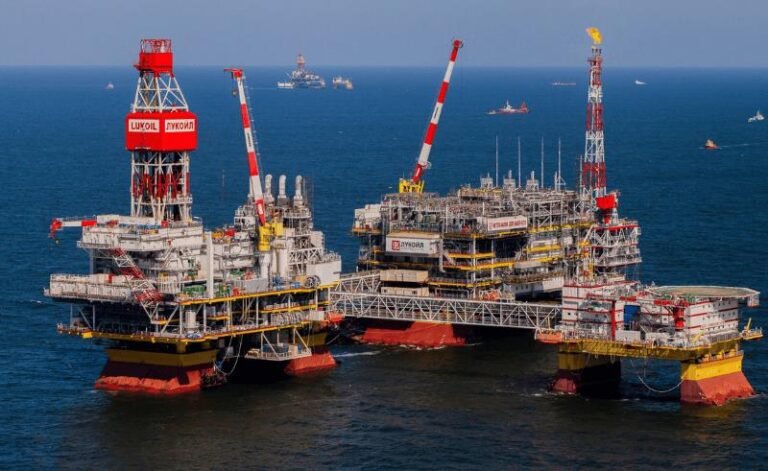
India has made a decisive move to accelerate domestic oil and gas output, lifting restrictions on nearly 99% of its offshore basins for exploration—a sweeping policy shift aimed at slashing expensive fuel imports, attracting investment, and supporting the nation’s broader energy diversification strategy. The decision, which follows earlier steps to unlock over 1 million square kilometers of previously restricted offshore zones, marks a dramatic expansion of hydrocarbon exploration in deepwater and frontier regions, including the Andaman and Nicobar basins.
## Sweeping Policy Unlocks Untapped Offshore Reserves
Until recently, vast stretches of India’s offshore territory were classified as “No-Go” zones, limiting exploration and leaving potential resources untapped. The 2022 policy revision, now fully implemented, dissolves those barriers, inviting both domestic firms and global players to assess and develop hydrocarbon prospects in a bid to fortify energy security. This move dovetails with heightened exploration activity: to date, companies have reported 172 hydrocarbon discoveries since 2015, with 62 in offshore areas, signaling robust untapped potential.
## Strategic Partnerships and Deepwater Ambitious
State-owned Oil and Natural Gas Corporation (ONGC) has partnered with BP to deploy advanced seismic surveys and drill stratigraphic wells across the Andaman, Mahanadi, Saurashtra, and Bengal basins, backed by a ₹3,200 crore investment. Stratigraphic drilling, focused on mapping subsurface geology, is designed to improve understanding of sedimentary basins and optimize future exploration. BP’s deepwater expertise is central to these efforts, offering technical support while ONGC leads operations, an arrangement seen as critical for de-risking ambitious offshore campaigns.
## Offshore Drilling Boom Set to Accelerate
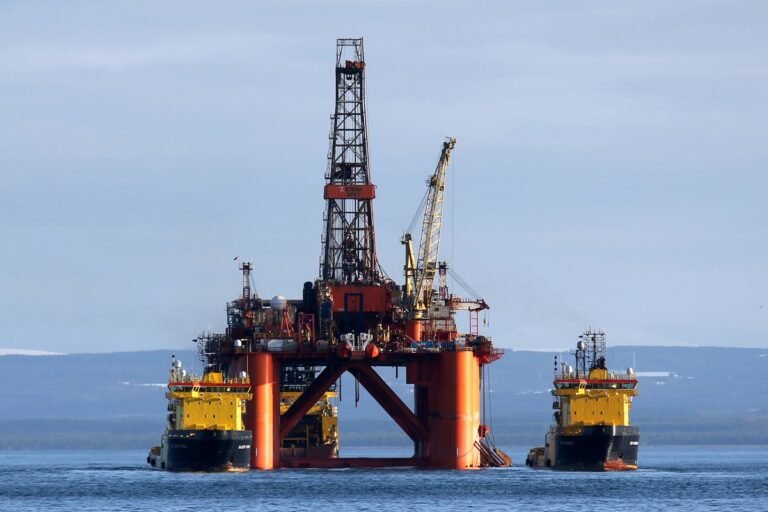
Industry analysts forecast a 10% annual rise in offshore drilling over the next five years, with up to 45 wells expected each year and as many as 10 jackup rigs operating concurrently. The increase in drilling activity is partly due to competitive bid rounds like the Open Acreage Licensing Programme (OALP-X), which have drawn interest from both established players and new entrants. The surge in exploration is set to boost natural gas production, with major greenfield projects like ONGC’s Cluster IX/X poised to come online in the medium term.
## Legal Reforms and Investment Climate in Focus
In tandem with expanded acreage, India has introduced modernizing reforms to its oil and gas legal framework, streamlining approvals and offering fiscal incentives to operators. The government expects to drive ₹30–35 lakh crore in energy infrastructure investments over the next decade, with a keen focus on transparency and ease of doing business. These reforms, highlighted at the recent Urja Varta 2025 conference, are designed to foster a robust, investor-friendly upstream sector capable of meeting rising energy demand.
## Energy Diversification: From Hydrocarbons to Renewables
While oil and gas remain central to India’s energy mix, the government is simultaneously prioritizing a rapid shift toward renewables and clean energy. Ambitious targets include 500 GW of non-fossil fuel capacity by 2030 and 100 GW of nuclear power by 2047. Domestic manufacturing of solar modules, batteries, and electrolyzers is being incentivized to reduce reliance on imports, particularly from China. The National Green Hydrogen Mission is also gaining momentum, with companies like Indian Oil targeting massive increases in renewable hydrogen output.
## Balancing Growth, Security, and Sustainability
India’s hydrocarbon push comes amid a broader narrative of energy self-reliance and transition. The country is projected to account for a quarter of global incremental energy demand through 2045, creating both opportunities and structural challenges. Grid infrastructure, consumer affordability, and supply chain diversification will be critical as India navigates the dual objectives of energy security and decarbonization.
## Looking Ahead: Implications for Global and Domestic Energy Markets
India’s aggressive opening of its offshore basins is likely to reshape global energy geopolitics, attracting multinational investment while positioning the country as a more self-sufficient consumer and producer. At home, the move signals confidence in domestic hydrocarbon potential, but also underscores the need for sustained reforms, technological adoption, and policy consistency. As exploration ramps up, the true test will lie in translating subsurface promise into reliable production, all while maintaining momentum in the shift toward a cleaner, more diversified energy future.