


Many businesses today face the challenge of operational efficiency in a rapidly evolving market. By integrating Point of Sale (POS)errors and waste, ultimately benefiting your bottom line. Understanding how these systems work together allows you to make informed decisions that not only boost productivity but also elevate your service standards.
Overview of Smart Stations
Definition of Smart Stations
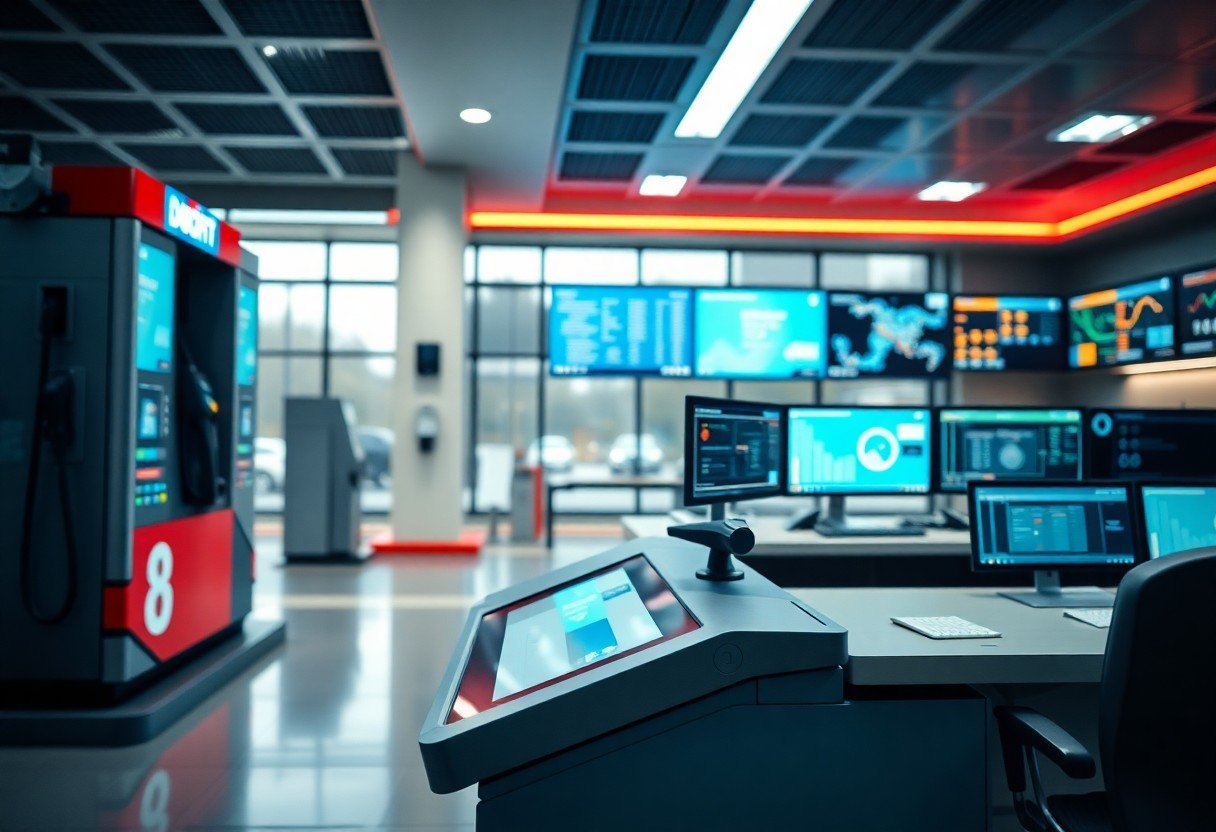
Smart Stations represent a convergence of technology and operational efficiency within retail environments, particularly at fuel and convenience stores. These stations integrate Point of Sale (POS) systems, fuel pumps, and back-office software into a cohesive platform, allowing for real-time data exchange and streamlined operations. You can think of Smart Stations as an interconnected ecosystem that enhances every aspect of the customer and employee experience.
This integration not only improves transaction speeds but also enhances data analytics capabilities, enabling you to make better-informed business decisions. For example, by synthesizing sales data from POS with fuel pump performance metrics, you identify trends that aid in inventory management and customer preferences, ultimately boosting profitability.
Importance in the Modern Retail Landscape
In today’s competitive retail market, adopting Smart Stations is important for staying ahead. You benefit from reduced operational costs and increased customer satisfaction by minimizing errors and speeding up the checkout process. According to a study, businesses that have implemented integrated solutions like Smart Stations report a 20% increase in efficiency, directly influencing revenue growth.
Furthermore, with advancing technology, consumer expectations are shifting towards seamless, efficient experiences. Integrating your systems fosters loyalty, as customers appreciate the speed and reliability of your services. Facilities that utilize Smart Stations also benefit from enhanced reporting features, allowing you to adapt strategies in real-time based on comprehensive analytics that encompass sales performance, fuel prices, and customer behavior.
Components of Smart Stations
Point of Sale (POS) Systems
Your Point of Sale (POS) system serves as the heartbeat of a smart station. Modern POS solutions are not just cash registers; they integrate with various payment methods, manage customer data, and provide real-time sales analytics. This allows you to easily track sales trends, inventory levels, and customer preferences, enabling you to make informed business decisions.
Advanced POS systems also support loyalty programs and personalized marketing strategies. By leveraging customer purchase history, you can tailor promotions to enhance customer engagement and drive repeat visits. For example, integrating your POS with mobile payment options like Apple Pay or Google Wallet can streamline the transaction process, improving customer satisfaction.
Fuel Pumps Technology
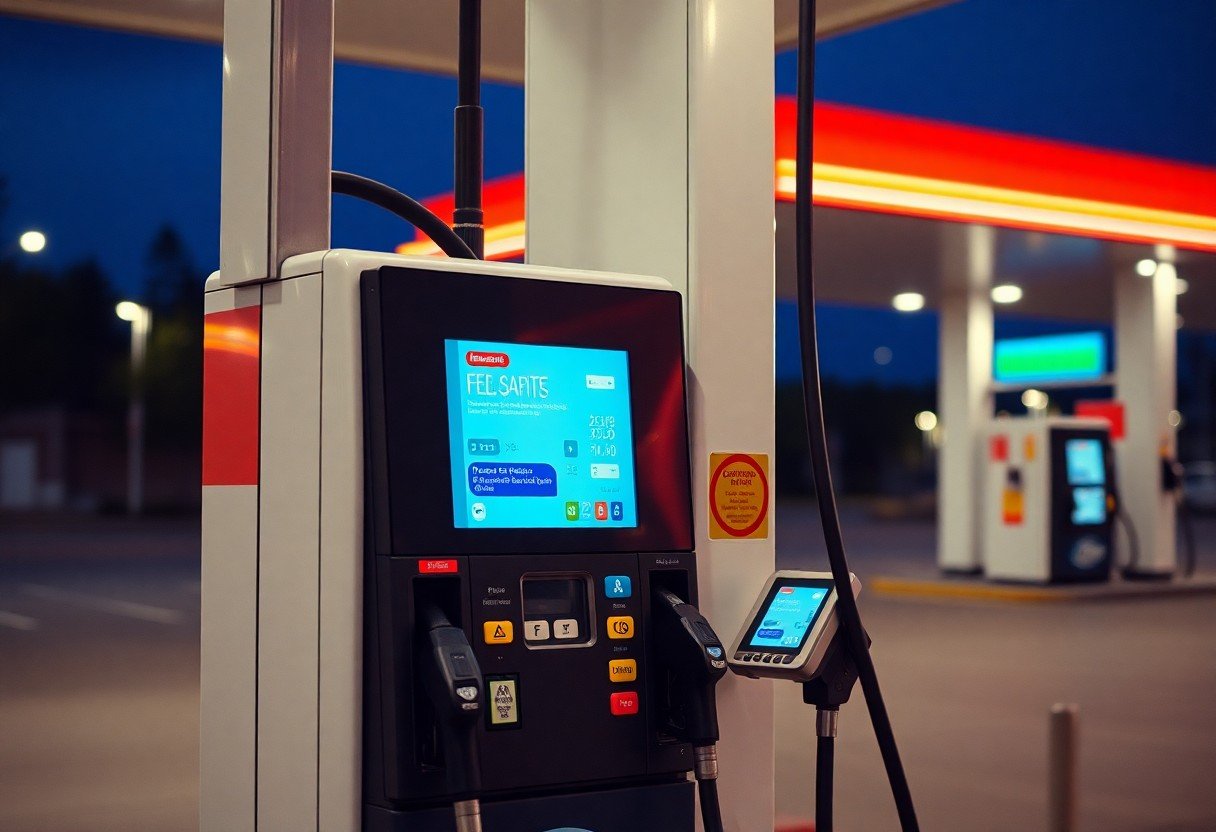
Fuel pump technology has evolved significantly, offering enhanced accuracy and real-time monitoring capabilities. The latest models feature advanced IoT connectivity, enabling you to track fuel levels and detect leaks remotely. This not only helps in maintaining compliance with safety regulations but also minimizes fuel loss and improves operational efficiency.
Moreover, many fuel pumps now integrate seamlessly with your POS system. This integration streamlines the transaction process, reducing wait times for customers and ensuring accurate sales reporting. Features like contactless payments and mobile app connectivity further enhance the customer experience while maintaining robust inventory management.
Additionally, with data analytics from fuel pump technology, you gain insights into peak usage times and customer buying patterns, allowing you to optimize staffing and inventory accordingly. This level of operational intelligence is vital for maximizing profitability in a competitive market.
Back-Office Systems
Your back-office systems are the backbone that supports efficient operations at smart stations. These systems encompass everything from inventory management to financial reporting, providing the tools you need to streamline processes and improve accuracy. Effective integration between your POS and back-office functions allows for real-time updates and reduces the likelihood of errors, such as discrepancies in stock levels.
Implementing centralized back-office management can save you time and resources. Automated functions like payroll processing, vendor management, and reporting help you maintain oversight without getting bogged down in administrative tasks. Ultimately, this leads to a smoother operation that can respond swiftly to market changes or customer demands.
With a robust back-office system in place, you can reconcile financials more efficiently, ultimately improving your bottom line. Your ability to generate comprehensive reports quickly gives you the actionable insights necessary for strategic decision-making.
Seamless Integration Strategies
Middleware Solutions
Middleware acts as a bridge between disparate systems within your smart station, allowing for smooth communication and data exchange. By implementing middleware, you can integrate your POS, pumps, and back-office systems without needing to overhauling existing infrastructure. For instance, integrating a popular middleware solution like MuleSoft can significantly enhance your operational agility, ensuring all components can share real-time data, helping you streamline processes and reduce operational silos.
Middleware solutions also offer the flexibility to customize integrations based on your unique business requirements. This means you have the opportunity to adapt and scale your systems alongside your business growth. Utilizing middleware not only optimizes your workflow but also enhances your data accuracy across all platforms, minimizing the risk of human error in manual data transfers.
API Connectivity
API connectivity is at the heart of modern smart stations, allowing your systems to communicate seamlessly. When you employ APIs, different software and hardware—like your POS system and fuel pumps—can interact easily, providing you with a holistic view of operations. The use of RESTful APIs, for example, enables rapid data transmission, significantly enhancing the speed of transactions and data reporting. Strong API processes also enable third-party applications to tap into your ecosystem, delivering further functionality.
More importantly, ensuring your APIs are well-documented and maintained will help you avoid integration challenges down the line. As companies evolve, businesses using APIs can scale their operations without being hindered by compatibility issues. By leveraging robust API management tools, you can monitor performance, secure data exchange, and facilitate new integrations as your business demands grow.
System Compatibility and Upgrades
When planning for seamless integration, you must assess system compatibility across all components frequently. Your POS, pumps, and back-office systems should ideally be compatible with each other and able to accommodate upgrades as technology shifts. This ensures that the integration remains intact and functional even when necessary software updates are made. Employing systems with open standards can significantly benefit compatibility and ease of upgrading.
Additionally, establishing a routine for assessing and upgrading each component is vital. For example, if your POS system receives an update, you must check if the new version aligns with existing pump technologies and back-office applications. Sticking to software solutions that prioritize seamless compatibility will save you time and costs associated with potential integrations breaking down during upgrades.
Benefits of Integrated Systems
Improved Operational Efficiency
When you integrate your POS, pumps, and back-office systems, you eliminate the silos that often hinder productivity. Data flows seamlessly across platforms, allowing your staff to respond faster to operational needs. For instance, with real-time updates, when a pump goes down, your POS can immediately reflect this change, ensuring that your teams can act promptly to minimize downtime. This level of synchronization not only streamlines workflows but can also result in cost reductions near 20-30% due to fewer manual errors and less time spent resolving discrepancies.
Furthermore, integrated systems facilitate automated reporting, allowing you to quickly assess key performance indicators and make data-driven decisions. For example, daily sales and inventory levels can be tracked in real-time, giving you immediate insights into what products are performing well and which ones need attention. As you harness these insights, you’ll find that operational efficiency is not just improved; it’s transformed.
Enhanced Customer Experience
Providing a superior customer experience is important for retention and growth in a competitive market. With an integrated system, every transaction is smooth and efficient. Customers appreciate quick checkouts, accurate fuel pricing, and personalized offers that are made possible through your interconnected systems. With data on customer preferences, you can offer rewards and promotions at the POS that resonate with their buying habits, fostering loyalty.
A recent study revealed that businesses implementing integrated systems experienced a 15% increase in customer satisfaction scores. This improvement stems from reduced wait times and better service, as staff can access customer data quickly. When you know who your customers are and what they want, you can enhance their experience drastically, turning one-time visitors into loyal patrons.
Maximizing the customer experience involves leveraging data from multiple channels to create personalized interactions. By analyzing purchasing history and preferences, you can provide tailored recommendations or curated product offerings that truly resonate with your audience, cementing their relationship with your brand.
Real-Time Data Management
Real-time data management is at the heart of an integrated system, enabling you to access insights whenever you need them. By consolidating data from your POS and pumps, you create a comprehensive dashboard that showcases sales figures, fuel levels, and inventory status in real time. This immediacy allows you to make informed decisions quickly, avoiding stockouts or overstock situations. Imagine knowing instantaneously when to reorder high-demand products or the exact fuel levels at your station, thus optimizing your supply chain management.
The ability to monitor your operations live gives you a distinct edge over competitors. For instance, if you notice a spike in fuel sales during a particular hour, you can adjust marketing strategies or staffing levels to capitalize on that opportunity. This proactive approach, driven by real-time analytics, can lead to healthier profit margins and better overall performance.
Additionally, with effective data management, you can forecast trends more accurately, leveraging historical data for predictive analytics. By understanding seasonal fluctuations or peak times based on prior performance, you are empowered to make strategic decisions that align closely with market demands, ultimately boosting your profitability.
Challenges in Integration
Technical Barriers
The integration of POS, pumps, and back-office systems is often hindered by technical barriers, such as differing software platforms, outdated hardware, and lack of standardized communication protocols. You may encounter systems that operate on legacy technology, making it challenging to integrate modern solutions without significant reconfiguration. This can result in increased downtime and operational disruption.
Moreover, data synchronization issues can arise when multiple systems attempt to communicate, leading to inconsistencies in transaction records and inventory levels. Ensuring that all systems are capable of sharing real-time data safely and effectively is a complex problem that requires careful planning and execution.
Cost Considerations
Financial implications of integration cannot be overlooked. The initial investment in new technology and infrastructure can be substantial, particularly when you consider the costs of purchasing new software and hardware needed for compatibility. Additionally, there may be ongoing expenses related to system maintenance and updates, leading to a higher total cost of ownership.
Furthermore, unexpected expenses often emerge during the integration process, such as the need for additional consulting services or software modifications to meet your specific operational requirements. These financial challenges can deter some businesses from pursuing a seamless integration strategy, potentially impacting long-term profitability.
It’s important to conduct a thorough cost-benefit analysis before committing to integration. Evaluating potential savings in labor costs, error reduction, and enhanced customer service can provide a clearer picture of overall value, helping you justify the upfront expenditure.
Staff Training Requirements
Integrating new systems requires your staff to undergo thorough training to utilize the updated technology effectively. This can be a substantial undertaking, as you need to ensure that employees are well-versed not only in the new POS system but also in how to leverage data from pumps and back-office functions to enhance service delivery. Insufficient training can lead to increased errors and slow response times, undermining the goals of the integration.
Moreover, the learning curve associated with new technology can vary widely among staff. Relying solely on written manuals may not suffice; hands-on training sessions and ongoing support can facilitate a smoother transition. Consider designating a few tech-savvy individuals as ‘super-users’ who can assist their colleagues, which fosters a culture of collaboration and support during the adjustment period.
Case Studies
- Case Study 1: A major fuel retailer increased transaction speeds by 30% after implementing an integrated POS system with real-time data synchronization.
- Case Study 2: A convenience store chain saw a 20% reduction in operational errors due to seamless integration of pumps and back-office systems, enhancing overall efficiency.
- Case Study 3: An urban gas station reported a 40% increase in customer satisfaction scores following the adoption of a unified system for payments and rewards.
- Case Study 4: A national distributor optimized inventory management, reducing stock discrepancies by 25% through integrated tracking across all platforms.
- Case Study 5: A fleet fueling solution provider achieved a 15% improvement in billing accuracy by linking POS data directly with back-office invoicing software.
Successful Smart Station Implementations
Analyzing successful smart station implementations highlights the remarkable benefits of integrating POS, pumps, and back-office systems. In one notable instance, a large fuel retailer adopted a cloud-based POS system that resulted in a 30% increase in transaction speed. This improvement not only expedited customer service but also enhanced throughput at peak hours, effectively handling a larger customer base with fewer staff. The system automatically updated pricing and promotions, ensuring that customers always received real-time information as they purchased fuel.
Furthermore, convenience store chains that implemented integrated systems reported a significant 20% reduction in operational errors. The seamless flow of data between pumps and the back-office allowed for faster reconciliations and reduced human error in data entry. This transformation not only improved operational efficiency but also liberated employees to focus on customer engagement rather than mundane administrative tasks.
Lessons Learned from Integration Failures
Instances of integration failures provide valuable insights into the common pitfalls to avoid. Many organizations that rushed their implementations faced serious setbacks due to incompatibility issues between older hardware and newer software. For example, a regional gas station struggled with outdated pump systems that could not relay data efficiently, leading to delays in payment processing and customer dissatisfaction. Integration should always be approached with a clear understanding of existing systems and potential compatibility issues.
Moreover, inadequate training for staff often led to improper utilization of the new systems, causing frustration and operational slowdowns. Allows adequate investment in training and user adoption support to facilitate a smoother transition. Companies that underestimated this aspect saw a dramatic 35% increase in service errors post-integration, resulting in decreased revenue and loss of loyal customers.
Real-world experiences emphasize the necessity of a comprehensive integration strategy that includes proper planning, training, and support for existing systems. Acknowledge your current resources and the potential need for upgrades while accounting for user resistance, as this can significantly impact your ability to maximize the benefits of a smart station environment.
Future of Smart Stations
Trends in Retail Technology
As you look ahead, you’ll notice a surge in mobile payment solutions becoming mainstream in the retail space, including smart stations. You may start seeing a greater adoption of contactless payment methods, making transactions not only quicker but also safer for your customers. Additionally, the integration of omnichannel strategies allows businesses to provide a seamless experience, enabling customers to switch between online and in-store interactions effortlessly.
Furthermore, the rise of IoT devices is transforming how stations gather and analyze data. You can expect to leverage advanced analytics to better understand customer behavior and preferences, leading to more personalized service. Smart stations will increasingly rely on interconnected devices, which will provide real-time insights and enhance overall efficiency.
Predictions for System Evolution
In the coming years, you can anticipate that POS systems at smart stations will evolve into integrated solutions that fully unify payment processing, fuel management, and inventory control. Vendors are likely to introduce platforms that allow for real-time updates, plus the ability to manage promotional offers directly from your device. This convergence will facilitate better operational management and drive profitability.
Additionally, as cybersecurity becomes more pressing, system enhancements will incorporate advanced encryption technologies and multi-factor authentication‘, significantly reducing the risks associated with data breaches. You should prepare for a landscape where security is built into every layer of the smart station ecosystem, ensuring your customers’ information is protected.
Moreover, the trend towards sustainability will push smart stations to adopt solutions for reducing their carbon footprint. Expect innovations in energy-efficient pumps and solar-powered self-service kiosks to emerge, helping you not only lower operational costs but also appeal to environmentally-conscious consumers.
The Role of Artificial Intelligence in Smart Stations
Artificial Intelligence is set to revolutionize how you manage your smart stations. With the integration of AI-driven analytics, you can gain deeper insights into customer preferences, allowing you to tailor your marketing strategies effectively. For example, AI can analyze purchase patterns and enable dynamic pricing models that adjust in real-time based on demand and inventory levels.
Additionally, AI-powered chatbots can enhance customer interaction by providing instant support and assistance at the pumps or within your retail space. This not only improves customer experience but also frees up your staff to focus on higher-priority tasks. Overall, AI will play a vital role in streamlining operations and enhancing overall efficiency.
As AI technology continues to advance, expect to see predictive maintenance solutions that analyze equipment performance and notify you of potential issues before they escalate. This proactive approach will minimize downtime, optimize workflow, and keep your smart station operating smoothly.
To wrap up
With this in mind, implementing smart stations that integrate point-of-sale (POS), pumps, and back-office systems provides you with a streamlined operations model that enhances efficiency and customer satisfaction. By simplifying transactions and inventory management, you can reduce errors and save valuable time, allowing your staff to focus on providing exceptional service. The synergy created by these integrated systems supports data-driven decisions that can help you optimize resources and adapt to changing market demands.
Additionally, the real-time insights offered by smart stations empower you to understand customer behavior and preferences better. This enables you to tailor promotions and offerings, ultimately driving sales and increasing your bottom line. As you embrace this technology, you position your business not only to meet today’s challenges but also to thrive in the future of the retail landscape.