


2025 is shaping up to be a year of partial recovery for Mexico’s natural gas sector, but not a full rebound. PEMEX is banking on new projects and infrastructure upgrades to boost gas output, even as oil production continues its downward slide.
What Happened
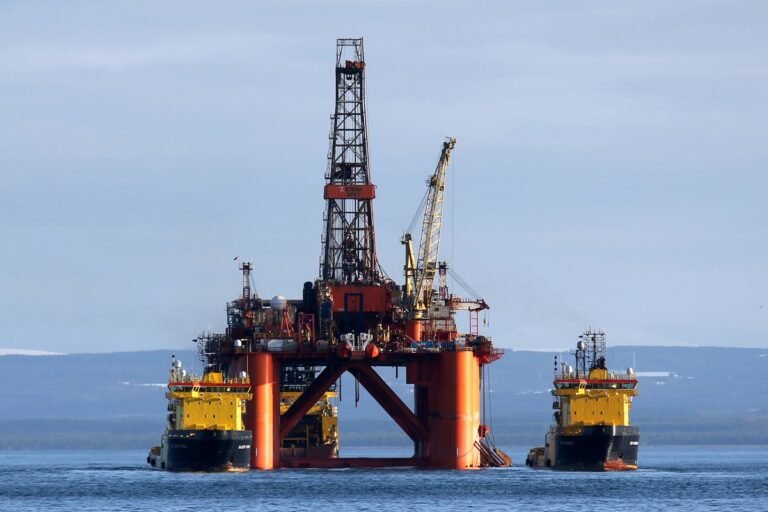
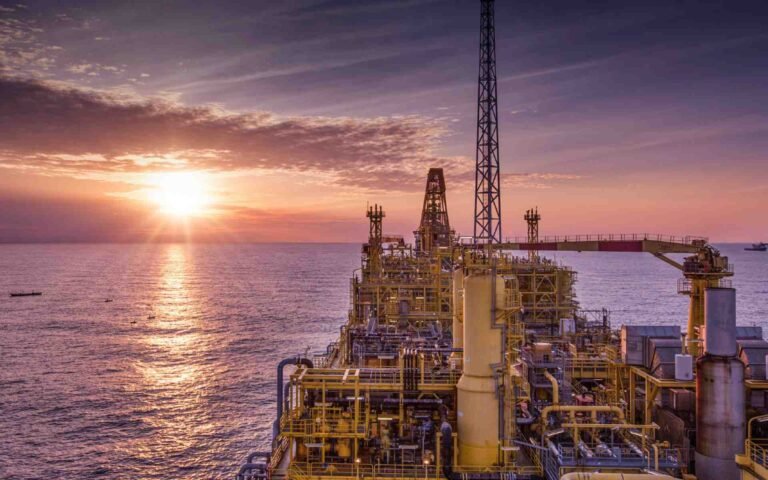
PEMEX’s gas production is set for a modest recovery in 2025, driven by the ramp-up of new recovery projects and the commissioning of upgraded infrastructure. The company is focusing on capturing more gas from existing fields like Ixachi, Quesqui, and Casquete Cantarell, while also advancing offshore developments such as Piklis, Kunah, and Lackach.
Despite these efforts, oil output remains on a steady decline. Production dropped sharply from 1.673 million barrels per day in November 2024 to 1.617 million barrels per day by January 2025, marking the lowest levels since the current administration took office.
Why It Matters
Gas recovery is critical for Mexico’s energy security. The country still relies heavily on imports from the United States to meet domestic demand, and boosting local production is a top priority for the government. Reducing gas flaring and modernizing infrastructure are key steps toward self-sufficiency.
While gas output is expected to rise, oil production continues to fall, highlighting the challenges PEMEX faces in reversing its overall decline.
Infrastructure and Refinery Progress
The Dos Bocas Olmeca refinery, a flagship project, is nearing full commercial operations. Crude processing is expected to ramp up in late 2024 and early 2025, with full operations targeted by the end of 2026. The startup of coking units at Salina Cruz and Tula refineries will also support fuel production and reduce reliance on imports.
Key Details
- PEMEX aims to increase natural gas production from 3.854 billion cubic feet per day in 2024 to 5 billion cubic feet per day within six years.
- New offshore fields and recovery projects are central to the gas recovery plan.
- Oil production is projected to decline by 100,000 barrels per day annually starting in 2025.
- Major projects like Trion and Zama are delayed, with peak output not expected until 2029 or 2030.
- PEMEX’s fiscal regime and regulatory oversight are undergoing major changes under the new administration.
Without significant new discoveries, PEMEX’s output will remain dependent on a handful of aging fields, most of which are already in decline.
Challenges Ahead
Investment delays and the lack of major new discoveries continue to hamper PEMEX’s ability to reverse its downward trend. The company operates hundreds of small projects, but few have the scale to offset the loss from its main fields.
What Comes Next
PEMEX’s focus in 2025 will be on maximizing gas recovery, reducing flaring, and bringing new infrastructure online. The government’s push for self-sufficiency will drive further investment in gas projects, but a full rebound in oil production remains unlikely in the near term.
The coming year will test PEMEX’s ability to stabilize its gas output while navigating ongoing challenges in oil production and regulatory change.