
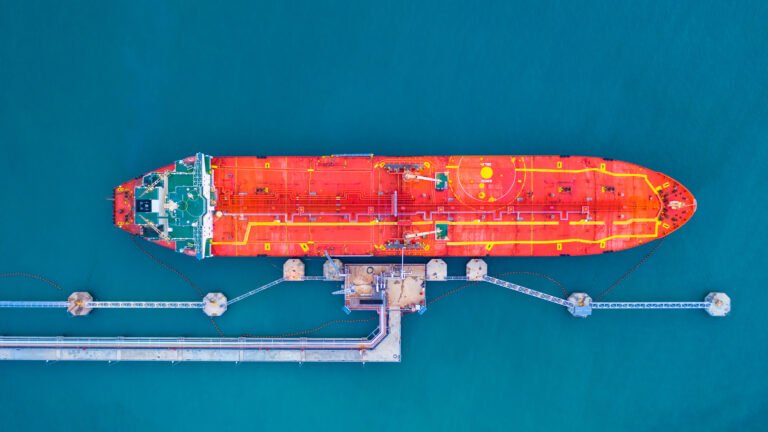

Plans for new pipelines in northern British Columbia are running into a gauntlet of challenges, with the federal oil tanker ban just one of many hurdles facing energy developers.
What Happened
Proposed pipeline projects in northern B.C. are facing mounting scrutiny and regulatory barriers, even as demand for natural gas infrastructure grows. The federal government’s ban on oil tankers along the northern coast has drawn headlines, but industry experts say it’s only part of a much larger web of obstacles.
Environmental assessments, Indigenous consultation requirements, and complex permitting processes are all slowing progress. Projects must navigate federal and provincial regulators, each with their own rules and timelines.
Why It Matters
Energy infrastructure in northern B.C. is critical for meeting both domestic and export demand. New pipelines could unlock vast reserves of natural gas, but delays and uncertainty are making investment risky.
Communities, First Nations, and environmental groups are all demanding a seat at the table, and their concerns are shaping the future of pipeline development.
Any major project must balance economic opportunity with environmental protection and respect for Indigenous rights.
Key Details
Regulatory Maze
Projects must clear multiple regulatory hurdles, including federal and provincial environmental reviews, land use permits, and water rights approvals. The process is lengthy and often contentious.
Indigenous consultation is a major factor, with many First Nations seeking meaningful involvement and benefit-sharing agreements before supporting pipeline routes.
Environmental Concerns
Northern B.C. is home to sensitive ecosystems, including salmon habitats that could be affected by pipeline construction and operation. Spill risks and long-term environmental impacts are top concerns for regulators and local communities.
Projects must demonstrate robust safety and mitigation plans to move forward.
Infrastructure Expansion
Several pipeline projects are in various stages of planning and approval, including expansions to existing transmission systems and proposals for new routes. These projects aim to increase capacity for both domestic supply and potential LNG exports.
Some projects are already under construction, while others are still awaiting final regulatory decisions.
What Comes Next
The path forward for northern B.C. pipelines will depend on how well developers can address regulatory, environmental, and social challenges. The oil tanker ban is just one piece of a much larger puzzle.
Success will require collaboration between industry, government, First Nations, and environmental stakeholders.
As the energy landscape evolves, pipeline projects will need to adapt to changing regulations, market demands, and community expectations.
The future of northern B.C. pipeline development remains uncertain, but one thing is clear: overcoming the oil tanker ban is just the beginning of a long and complex journey.