

“`html
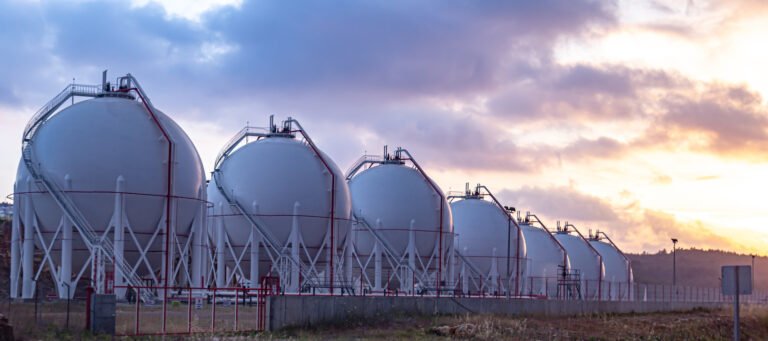
Freeport LNG’s Texas export plant is ramping up its natural gas intake this Friday, signaling a potential rebound after recent operational hiccups. This uptick in feed gas volume is a closely watched development with significant implications for U.S. and global energy markets.
What Happened
The Freeport LNG export terminal in Texas is set to increase its natural gas intake to approximately 1.9 billion cubic feet per day (bcfd) on Friday, up from 1.3 bcfd the previous day. This increase follows a temporary shutdown of one of its liquefaction trains due to a compressor system issue.
The plant’s three operational liquefaction trains can collectively process about 2.4 bcfd of natural gas. The current flow is nearing the seven-day average for the facility, suggesting a move back toward full operational levels.
Why It Matters
Freeport LNG is one of the most influential U.S. LNG export plants, with its operational status having direct impact on global gas prices. When feed gas throughput declines at Freeport, U.S. natural gas prices tend to fall due to lower export demand, while European prices often rise as the global LNG supply tightens.
The plant recently marked a milestone by shipping its 1,000th cargo of liquefied natural gas since operations began. This volume reflects the facility’s vital role in supplying LNG to key international markets.
Key Details
Technical Issues and Recovery
The disruption stemmed from a compressor problem in Train 1, leading to a temporary shutdown on Thursday. While Freeport officials declined detailed comment, data showed the feed gas restrictions began easing on Friday.
Capacity and Demand
Freeport’s three trains have the capacity to liquefy around 2.4 billion cubic feet of gas daily, enough to supply approximately five million U.S. homes each day. The current ramp-up indicates that operations are stabilizing after the brief interruption.
What Comes Next
The resumption of higher natural gas intake at Freeport LNG is likely to stabilize both domestic and international LNG markets in the near term. However, industry watchers remain alert for any further operational challenges that could disrupt flows.
Meanwhile, expansions such as the upcoming fourth liquefaction train at Freeport, designed to add significant export capacity in the coming years, will further solidify the plant’s position as a key player in the global LNG supply chain.
The facility’s ability to maintain steady throughput underpins not only its commercial success but also the broader dynamics of energy security and pricing worldwide.
“`