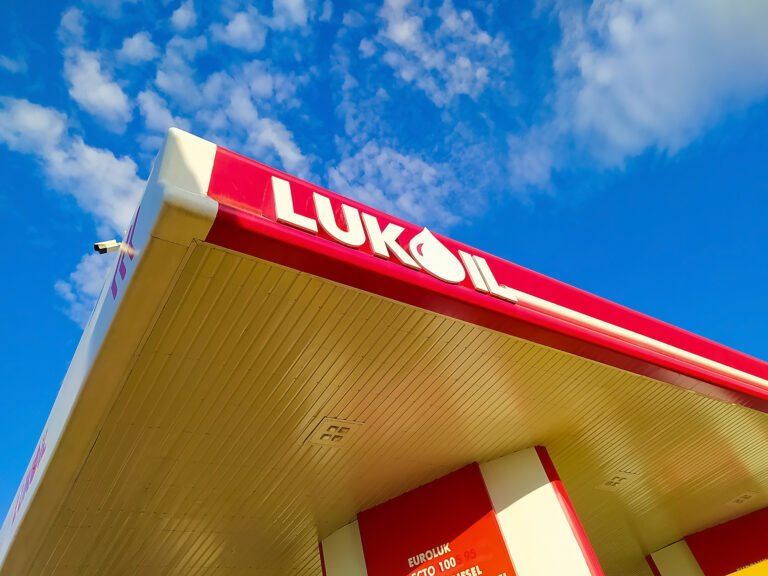
Russian energy giant Lukoil is dismantling its international leadership as sweeping U.S. sanctions begin to bite, sending shockwaves through global oil markets and forcing rapid restructuring of its overseas operations.
What Happened
Lukoil has officially dissolved the supervisory board overseeing its international business, marking a dramatic shift in its global strategy. The move comes just as the first wave of U.S. sanctions against the company takes effect, targeting its assets and operations outside Russia.
The company recalled key executives, including its CEO and two senior board members, from the international board. This leaves the managing director of Lukoil International in sole charge, with the company still fully owned by its Russian parent.
Simultaneously, Lukoil’s international trading arm, Litasco, has shed staff and wound down several operations. The company’s share in Iraq’s West Qurna 2 oil field has been frozen, and its global assets are now under intense scrutiny from Western governments and potential buyers.
Why It Matters
Lukoil is responsible for roughly 2% of global oil production, making its sudden retreat from international markets a significant development for energy supply chains and geopolitical dynamics.
The dissolution of its international board signals a retreat from Western markets and a consolidation of control within Russia, as the company scrambles to adapt to new restrictions.
Sanctions have already disrupted Lukoil’s ability to sell foreign assets, with previous attempts blocked and major deals, including one with Swiss trader Gunvor, falling through after U.S. intervention.
The company has declared force majeure on its largest international asset, the West Qurna 2 field, and is seeking extensions to finalize existing commitments and study offers for its global portfolio.
Key Details
Sanctions Timeline
The U.S. Treasury’s Office of Foreign Assets Control announced sanctions on Lukoil and Rosneft in late October. The measures began immediately, with some asset actions delayed until mid-December.
Companies were given a grace period to finalize deals with Lukoil, but the window is closing fast, and the company is now racing to complete transactions before further restrictions take hold.
Operational Impact
Lukoil’s international operations have been hit hard. Its refinery in Bulgaria is under special administration, and its Finnish fuel distributor, Teboil, is gradually ceasing operations as fuel stocks run out.
The company’s audited group report for 2022 was published two years late, offering a rare glimpse into how it weathered the first year of Russia’s invasion of Ukraine.
Asset Sales and Future Moves
Lukoil is actively seeking buyers for its foreign assets, but the process is fraught with obstacles. The U.S. administration is closely monitoring any potential transfers, and the company may request an extension to the current grace period.
Western suitors are circling, but any deal will require strict oversight and compliance with U.S. sanctions.
What Comes Next
Lukoil’s future outside Russia remains uncertain. The company is likely to focus on consolidating its remaining international holdings and navigating the complex web of sanctions and regulatory hurdles.
As global energy markets adjust to Lukoil’s retreat, the ripple effects will be felt across oil trading, asset ownership, and regional energy governance.
The next few months will be critical in determining how much of Lukoil’s international footprint survives and how the company adapts to a new era of geopolitical and economic constraints.