


“`html
California faces a chilling return of offshore oil drilling after decades of reprieve. The Trump administration’s bold plan to open new oil and gas leases along the California coast has ignited fierce opposition, spotlighting fierce tensions between energy interests and coastal environmental protection.
What Happened
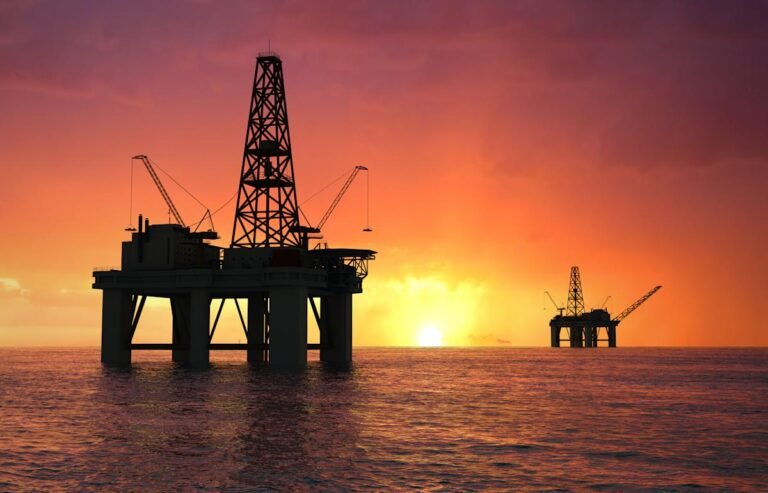
The federal government outlined a five-year plan proposing new offshore oil and gas lease sales along the California coastline, marking a dramatic shift from decades of restricted drilling activity. This initiative includes up to six lease sales scheduled between 2027 and 2030, aiming to expand oil production in previously protected federal waters.
The announcement reversed key restrictions put in place by previous administrations, reigniting debates over coastal drilling amid growing environmental concerns and a history of significant oil spills.
Why It Matters
Environmental and Economic Stakes
This move threatens California’s fragile marine ecosystems and coastal economies. Oil spills from past incidents like the 1969 Santa Barbara disaster and the 2015 Refugio Beach spill caused extensive damage, contaminating vast swathes of ocean and coastline while impacting wildlife and local livelihoods.
California’s economy relies heavily on tourism and coastal recreation, sectors vulnerable to the risks posed by drilling accidents. Additionally, new drilling runs counter to the state’s long-term goals to reduce fossil fuel dependence and aggressively combat climate change.
Public Health and Community Impact
Communities near existing oil infrastructure face ongoing health risks from toxic emissions linked to respiratory and other chronic diseases. Expanding offshore drilling could exacerbate these issues and undermine recent legislative efforts to protect vulnerable neighborhoods from oil and gas pollution.
Key Details
- The plan proposes drilling in areas once considered off-limits, including sensitive marine habitats and regions critical to endangered whales.
- California’s state government and coastal communities have vocally opposed expanded offshore drilling, with many labeling the plan reckless and environmentally dangerous.
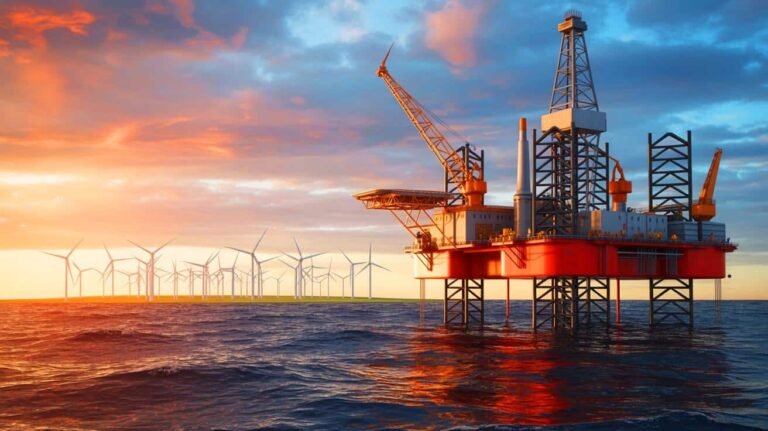
- Environmental groups highlight the contradiction in federal policy that promotes offshore drilling while blocking investments in renewable energy such as offshore wind.
- Similar proposals face resistance in other states with coastlines, illustrating a nationwide debate balancing energy security and environmental preservation.
What Comes Next
California’s political leaders and environmental advocates are mobilizing to challenge the plan, seeking to protect marine ecosystems and coastal economies from the risks of new drilling activities.
The battle will hinge on court rulings, regulatory reviews, and public pressure. As the timeframe for lease sales approaches, stakeholders will push for legislative and legal barriers to maintain protections against offshore oil development.
Meanwhile, the escalating climate crisis and increasing public demand for clean energy alternatives add urgency to the debate over California’s offshore oil future.
Only time will tell if California’s coast remains a sanctuary from offshore drilling or becomes a frontline in the nation’s energy and environmental conflicts.
“`