

“`html
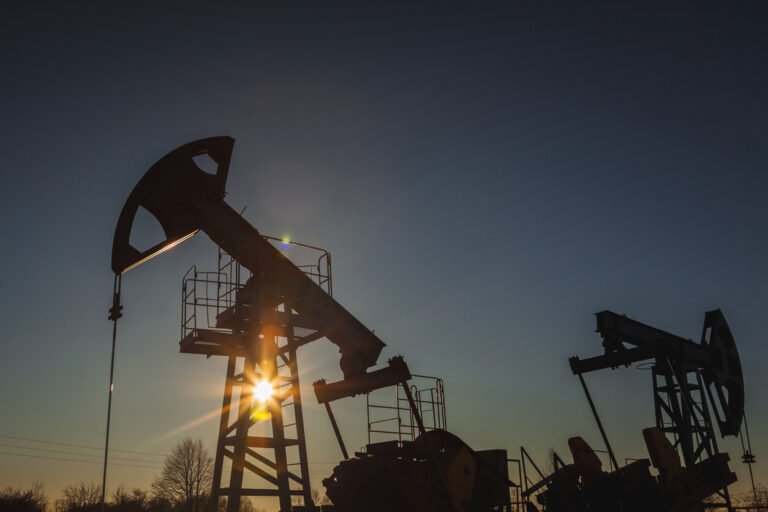
The Trump administration has unveiled an expansive five-year offshore oil and gas leasing plan that would open previously protected waters off Alaska, California, and the Gulf of Mexico to drilling operations. The proposal marks a dramatic shift in energy policy and has immediately drawn fierce opposition from environmental groups and some political leaders.
What Happened
The Department of Interior released a draft plan for the 11th National Offshore Leasing Program, proposing oil and gas sales across multiple regions. The plan includes lease sales off Southern California in 2027, 2029, and 2030, Central California in 2027 and 2029, and Northern California in 2029. Sales are also proposed for the Gulf of Mexico in 2029 and 2030, including a newly designated region called the “South-Central Gulf of America,” which features a 100-mile buffer zone off Florida’s coast.
The announcement follows an executive order directing the Department of Interior to reconsider environmental protections, including the well control rule that was designed to mitigate the environmental effects of offshore drilling.
Why It Matters
Environmental advocates warn the plan would accelerate climate change and threaten coastal communities. The League of Conservation Voters contends the expansion would jeopardize public health, local economies, and the environment while prolonging dependence on fossil fuels at a time when extreme weather is becoming more frequent and severe.
The plan represents a fundamental reversal of the previous administration’s protective stance on federal waters. A series of congressional and presidential actions had stifled new leasing in the Pacific, and strict environmental regulations made it difficult to transport oil from federal waters to state coastlines.
Key Details and Challenges
Despite the administration’s ambitions, implementation faces significant legal and political obstacles. California maintains veto authority over pipelines and terminals that would need to be built onshore, creating lengthy litigation barriers before drilling could even be considered. Energy policy analysts note that California lease sales are “unlikely to be implemented” without reversing Biden-era legal protections.
Political resistance extends beyond environmental groups. Florida politicians from both parties have opposed offshore drilling for decades, fearing an oil spill would devastate the state’s tourism industry. Republican lawmakers similarly pushed back against initial plans to include the Atlantic coast, persuading the administration to remove that region from consideration.
What Comes Next
The draft plan enters a public comment period before finalization. Oil companies have long sought access to the resource-rich eastern Gulf of Mexico, but the timing of proposed sales—scheduled for 2029 and 2030, after the current administration leaves office—may complicate implementation.
Meanwhile, efforts to resume production off California’s coast continue to face obstacles, with recent attempts by individual companies running into substantial state and local opposition.
“`