

“`html
The Trump administration just opened the Arctic Ocean to oil drilling for the first time, marking a dramatic expansion of U.S. offshore energy exploration that could reshape energy markets and geopolitics. The Department of the Interior unveiled a sweeping new five-year leasing plan that abandons Biden-era restrictions and proposes as many as 34 lease sales covering 1.27 billion acres across Alaska, the Gulf, and California—including a controversial “High Arctic” zone at roughly 80 degrees north latitude.
What Happened
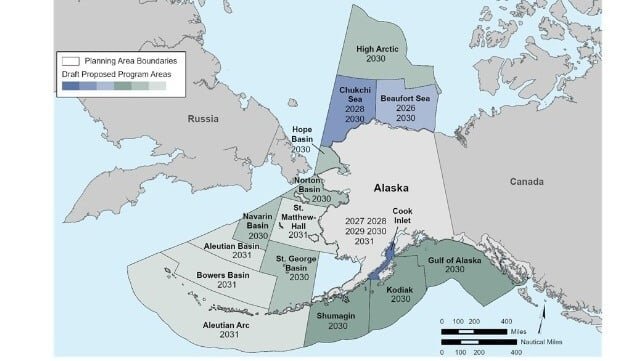
The U.S. Department of the Interior announced a new offshore oil and gas leasing schedule that fundamentally rewrites the nation’s energy strategy. The plan replaces the previous 2024-2029 framework and introduces several unprecedented elements, most notably a new lease area in the High Arctic Ocean—an icy, frigid region typically accessed only by icebreakers.
Beyond the Arctic, the plan proposes comprehensive leasing across three geographic zones. In Alaska, it covers every available block from the Canadian border to the Aleutian Chain, with the notable exception of Bristol Bay. Off California’s coast, three new lease areas are proposed, with auctions beginning as early as 2027. In the Gulf of Mexico, leasing would extend across western and central regions from Texas to Alabama, with the first-ever proposed sales off Florida’s coast.
Why It Matters
This represents the most aggressive offshore energy expansion in decades, signaling a fundamental shift away from climate-focused energy policy. The Arctic opening is particularly significant—it extends American energy interests into one of the world’s most environmentally sensitive regions and geopolitically contested waters.
The inclusion of California and Florida waters is politically charged. For California, offshore leasing represents potential retaliation against the state’s Democratic leadership and its opposition to federal energy policy. For Florida, the proposal directly challenges a long-standing bipartisan consensus against drilling, though officials note new sales wouldn’t occur until after the current administration leaves office.
Energy industry leaders hailed the plan as transformative. The American Petroleum Institute called it “a historic step toward unleashing our nation’s vast offshore resources,” while industry groups emphasized that expanded leasing would support long-term investment and energy affordability amid rising global demand.
Key Details
Alaska dominates the proposal with 21 lease sales, most scheduled for 2030 or later. Cook Inlet would see annual sales beginning in 2027. The controversial High Arctic lease area represents genuinely new territory—a departure from recent policy that prioritizes traditionally productive regions.
The California proposal includes multiple sales across southern, central, and northern regions. However, legal barriers and state veto authority over onshore infrastructure may significantly limit actual drilling. Florida leasing proposals include a 100-mile buffer zone but reportedly fall within areas protected by existing moratoriums, creating potential legal conflicts.
The Gulf of Mexico plan focuses on resource-rich eastern regions oil companies have sought to develop for years, though these sales are scheduled for 2029-2030.
What Comes Next
The plan now enters the federal regulatory process, where legal challenges and environmental reviews are expected. Implementation timelines vary dramatically—some sales could begin within two years, while Arctic and later Gulf leases extend well beyond the current administration’s term. California’s complex regulatory landscape and Florida’s political dynamics will likely become flashpoints for litigation and political conflict.
“`