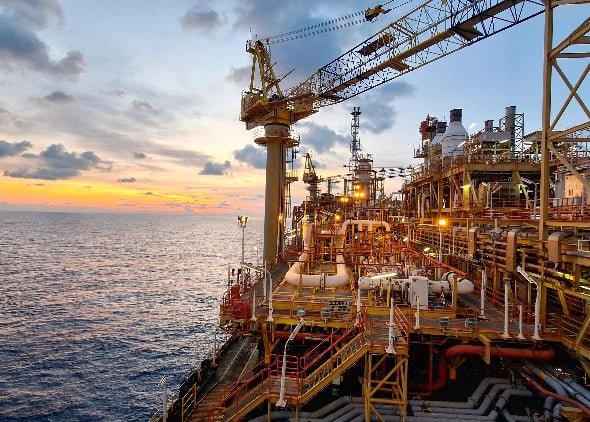



Libya is transforming its energy future, turning wasted flare gas into a valuable resource and unlocking new opportunities for advanced monetization technologies. The country’s bold push to capture and utilize associated gas is attracting global attention and investment.
What Happened
Libya has launched an ambitious campaign to capture and monetize the vast volumes of associated gas previously lost to flaring. This initiative is central to the country’s strategy to boost domestic energy supply, reduce environmental impact, and create new revenue streams.
Major projects are already underway, including the development of offshore gas fields and the expansion of onshore production. These efforts are supported by significant investments and partnerships with international energy firms.
Why It Matters
Gas flaring has long been a major issue in Libya, with billions of cubic meters of gas burned off annually. This not only wastes a valuable resource but also contributes to significant carbon emissions and local air pollution.
By capturing and utilizing this gas, Libya is taking a crucial step toward cleaner energy production and greater economic sustainability. The move positions the country as a leader in the region’s energy transition.
Reducing flaring and monetizing gas can generate electricity, produce green ammonia, and support export markets, offering both environmental and economic benefits.
Key Details
Major Projects and Partnerships
Libya’s National Oil Corporation (NOC) is advancing several large-scale projects to capture and process associated gas. These include the development of offshore fields and the expansion of onshore production facilities.
International partners are playing a key role, bringing technical expertise and investment to support these initiatives. Joint ventures and consortiums are driving progress across the sector.
Infrastructure and Technology
Efforts are focused on upgrading and expanding gas transmission and utilization infrastructure. This includes the construction of new platforms, pipelines, and processing facilities.
Libya is also adopting the latest technologies to enhance efficiency and sustainability. Digital transformation and smart work practices are being integrated into operations to maximize output and minimize waste.
Environmental and Economic Impact
The shift to gas monetization is expected to significantly reduce carbon emissions and local air pollution. It will also create new jobs and stimulate economic growth.
By converting flare gas into valuable products, Libya is unlocking new opportunities for investment and innovation in the energy sector.
What Comes Next
Libya’s gas monetization drive is set to accelerate in the coming years, with more projects and partnerships on the horizon. The country is actively seeking technical and financial partners to advance its decarbonization initiatives.
The success of these efforts will depend on continued investment, technological advancement, and a stable political environment. If fully realized, Libya’s transformation could serve as a model for other nations facing similar challenges.
Libya’s bold move to turn flare gas into value marks a new chapter in the country’s energy story, offering hope for a cleaner, more prosperous future.