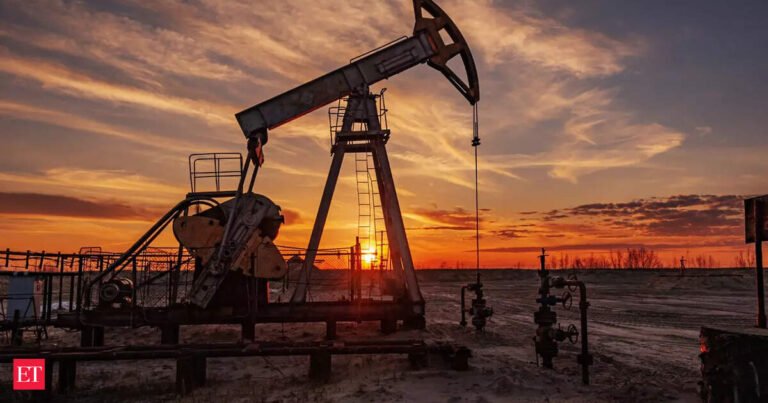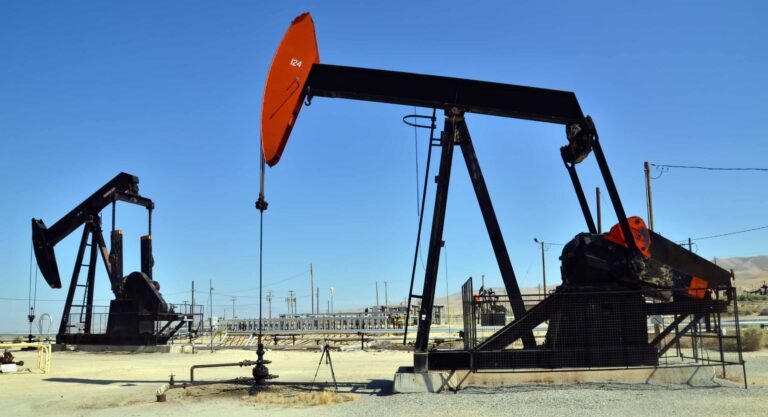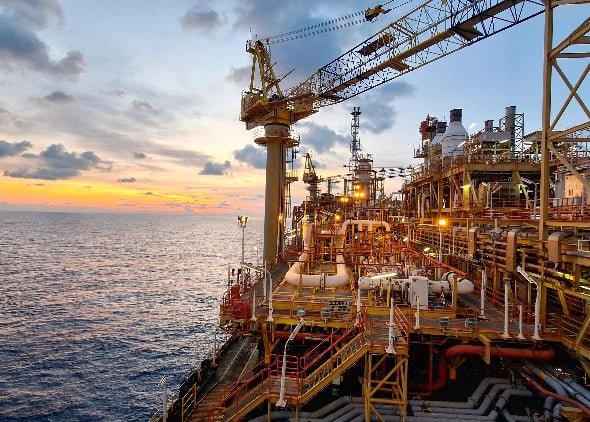



Climate-warming methane emissions from the world’s largest livestock companies now surpass those of major oil and gas corporations, revealing a critical and often overlooked source of greenhouse gases accelerating climate change. This revelation demands urgent attention, as methane’s potent warming effect poses significant threats to global efforts to limit temperature rise.
## The Scale of Methane Emissions from Livestock Giants
The livestock industry’s methane emissions stem predominantly from cattle, whose digestive processes release vast quantities of this greenhouse gas. Recent analyses show that the 45 leading meat and dairy companies collectively emit over a billion tonnes of CO2 equivalent annually, exceeding the total emissions of some of the world’s largest fossil fuel-producing nations. Specifically, methane constitutes more than half—51%—of these companies’ greenhouse gas emissions, overshadowing the combined methane output of the European Union and the United Kingdom.
This staggering volume of emissions makes the livestock sector a more significant methane emitter than the oil and gas giants traditionally blamed for the climate crisis. The five largest companies—JBS, Marfrig, Tyson, Minerva, and Cargill—alone produce methane emissions outpacing those of Chevron, Shell, and BP combined. JBS, in particular, stands out as the single largest emitter, contributing nearly one-quarter of all livestock-related greenhouse gases analyzed.
## Why Methane from Livestock Is Particularly Problematic
Methane is a greenhouse gas estimated to be around 28 to 80 times more powerful than carbon dioxide over 20 to 100 years, making its impact disproportionately more dangerous. Unlike CO2, which can linger in the atmosphere for centuries, methane has a shorter atmospheric lifetime but traps far more heat in the near term. This property means that reducing methane emissions could yield faster, more immediate climate benefits.
In livestock, methane primarily arises from enteric fermentation—a digestive process in ruminants like cattle—and from manure management. Over 80% of livestock methane emissions come from cattle, followed by pigs and chickens. The expansion of industrial-scale livestock farming, which now slaughters tens of billions of animals annually, has dramatically amplified these emissions compared to natural or pre-industrial levels, where wild ruminants and different manure management practices kept methane output much lower.
## The Industry’s Response and Reporting Challenges
Despite these alarming figures, major meat and dairy companies often focus on incremental technical solutions such as biogas capture and feed additives designed to reduce methane emissions. However, these measures have thus far failed to curtail emissions at the scale necessary, especially given ongoing large-scale livestock production.
Compounding the problem is the livestock sector’s use of emissions reporting frameworks that obscure the full impact of methane. Certain industry-driven metrics allow companies to downplay or distort their methane footprint, undermining transparency and accountability. This greenwashing diverts political and public pressure away from the industry’s substantial emissions, in stark contrast to the aggressive methane reduction targets policy makers have imposed on the fossil fuel sector.
### The Global Methane Pledge and Its Limitations
While international efforts like the Global Methane Pledge seek to cut methane emissions by 30% this decade, the focus has largely remained on oil and gas, neglecting the massive contributions from livestock. This oversight in global climate policy risks stalling progress since livestock methane is a key driver of the current increase in atmospheric methane levels.
## Why Tackling Livestock Methane Is Essential for Climate Goals
Addressing methane emissions from the world’s largest meat and dairy producers is critical to achieving near-term climate mitigation targets. Given methane’s potency and shorter atmospheric lifetime compared to CO2, reductions in livestock methane could swiftly slow global warming and buy time for broader carbon reduction strategies to take effect.
Succeeding requires multifaceted approaches including:
* Transitioning to more sustainable agricultural practices and dietary shifts to reduce demand for high-methane foods.
* Improving manure management to minimize anaerobic methane production.
* Implementing transparent, standardized emissions reporting that reflects true methane impacts.
* Encouraging innovation beyond incremental technical fixes, potentially rethinking livestock production at systemic levels.
## Conclusion
Methane emissions from the world’s largest livestock companies now eclipse those from major oil and gas firms, underscoring a critical blind spot in the global climate battle. As methane is a potent driver of near-term warming, this sector’s outsized emissions must gain equal scrutiny and urgent action in climate policies. Without addressing the methane crisis hidden in meat and dairy production, ambitious global climate targets will remain out of reach, perpetuating the risks of catastrophic climate change. The time has come for transparent accountability, bold mitigation, and a fundamental reexamination of how the global community produces and consumes animal agriculture.