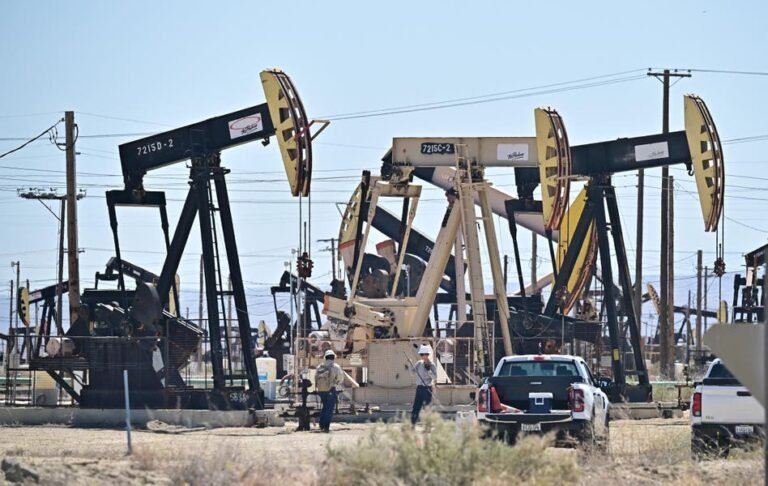



The Canadian oil and gas sector is tightening its belt as companies face a perfect storm of falling global oil prices and surging supply. With budgets set for a steep squeeze, industry leaders are under increasing pressure to cut costs and adapt quickly to a shifting market landscape—one that could reshape investment, jobs, and production for the years ahead. The stakes are high: this sector remains the backbone of Canada’s export economy, and any major contraction reverberates across national growth, employment, and energy policy.
## The Driving Forces Behind the Spending Squeeze
Oil and gas companies across Canada are preparing to slash spending, mainly in response to weakening global oil prices. The drop has been sharp: benchmark crude prices ended the third quarter of 2025 near multi-year lows, driven by a global glut as supply has outpaced demand for several consecutive months. Producers, especially those focused on oil, are recalibrating their 2026 budgets toward the lower end of earlier forecasts, with an eye on cost discipline rather than expansion.
At the same time, inventories are swelling. The combination of high output—from both traditional oil sands operations and new pipelines—and lackluster demand growth has created an oversupplied market. Major exporters like OPEC+ have also contributed to the pressure by unwinding previous production cuts, adding even more barrels to an already saturated global pool.
## Strategic Responses Across the Industry
Faced with these headwinds, Canadian firms are turning to a mix of operational efficiency, targeted investment, and cautious planning. Many are implementing aggressive cost-cutting measures, aiming to reduce annual expenses by significant margins. These efforts include deferring non-essential projects, streamlining supply chains, and delaying hiring or capital expenditures.
There is a notable divergence, however, between oil and gas producers. Gas-focused companies, buoyed by optimism around future liquefied natural gas (LNG) exports, are actually signaling modest increases in capital spending for 2026. In contrast, oil-weighted producers are pulling back, reflecting their more immediate exposure to volatile crude prices. This split underscores how LNG projects on Canada’s west coast—especially potential expansions—are injecting some confidence into the gas segment, even as oil faces tougher sledding.
### Cost Leadership and Operational Discipline
The most resilient companies are those prioritizing operational excellence and cost leadership. Canadian oil sands, for example, benefit from long-life, stable production profiles that require fewer wells and less ongoing investment than shale plays. This structural advantage helps insulate them from the worst of the price swings, but it doesn’t eliminate the need for prudence. Firms are scrutinizing every line item, from labor to logistics, to ensure they can weather a prolonged period of lower prices.
### Navigating Policy and Regulatory Uncertainty
Another layer of complexity comes from the policy environment. Industry leaders continue to call for regulatory reforms, arguing that current laws—including the Impact Assessment Act and the oil tanker ban on northwest British Columbia—hinder investment and growth. They advocate for a more stable, predictable regulatory regime that would make Canada a more attractive destination for energy capital.
At the same time, the federal government remains under pressure to clarify its stance on fossil fuel subsidies. Despite commitments to phase out “inefficient” support, definitions remain vague, and substantial public funding still flows into the sector. This creates uncertainty for both investors and policymakers, who must balance economic priorities against climate goals.
## The Impact on Jobs, Communities, and Canada’s Economy
The ripple effects of a spending squeeze in oil and gas extend far beyond corporate boardrooms. This sector is a major employer, supporting hundreds of thousands of direct and indirect jobs across the country. Any significant pullback in investment risks job losses, reduced economic activity in energy-dependent provinces, and slower growth for the national economy.
Energy products remain Canada’s largest export, and the oil sands continue to drive much of that activity. The recent expansion of pipeline capacity has opened new markets, but those gains could be undermined if low prices persist and investment dries up. For now, the industry’s ability to maintain production—thanks to the long-life nature of oil sands assets—provides a buffer, but it’s not a permanent shield against severe market downturns.
## Looking Ahead: Adaptation and Opportunity
The immediate outlook is one of caution, but not resignation. Companies that can adapt—by controlling costs, embracing innovation, and strategically investing in low-carbon technologies—stand to emerge stronger. The shift toward gas and LNG, driven by global demand for cleaner fuels, offers a potential growth avenue, especially if major export projects move ahead.
At the same time, the pressure to address emissions and align with broader climate goals is intensifying. While most capital is still directed toward maintaining or growing production, there is growing scrutiny on whether the industry is doing enough to reduce its environmental footprint. Those firms that can balance financial discipline with credible decarbonization efforts may find new sources of investor and public support.
## Conclusion
Canadian oil and gas firms are navigating one of the most challenging environments in recent memory, as dipping prices and high supply force a widespread spending squeeze. The industry’s response—focused on cost control, selective investment, and operational discipline—will determine its resilience in the months and years ahead. While gas producers see a glimmer of optimism in LNG exports, oil-focused companies face tougher decisions. The broader implications for jobs, communities, and Canada’s economy are significant, underscoring the need for both industry and government to adapt swiftly. In this period of transition, the companies that anticipate market shifts, invest wisely, and address societal expectations around sustainability are most likely to thrive—even in leaner times.